

Monosodium Glutamate Pneumatic Conveying Machine: What It Is and Its Design Principles
Monosodium glutamate (MSG), a widely used food additive, is often transported in bulk quantities across industrial and food processing facilities. The monosodium glutamate pneumatic conveying machine is a specialized piece of equipment designed to efficiently handle the transport of this chemical. This article explores what this machine is and delves into its fundamental design principles, providing insights into its operation and application.
Understanding the Monosodium Glutamate Pneumatic Conveying Machine
The monosodium glutamate pneumatic conveying machine is a system that uses air or other gases to transport granular or powdered materials, such as monosodium glutamate, from one location to another. Unlike traditional mechanical conveyors, which rely on belts, chains, or screws, pneumatic conveyors utilize the force of moving air to move materials through a pipeline. This method is particularly advantageous for transporting sensitive or hygienic materials like MSG, as it minimizes contamination and reduces the risk of product degradation.
Key Components and Design of the Pneumatic Conveying System
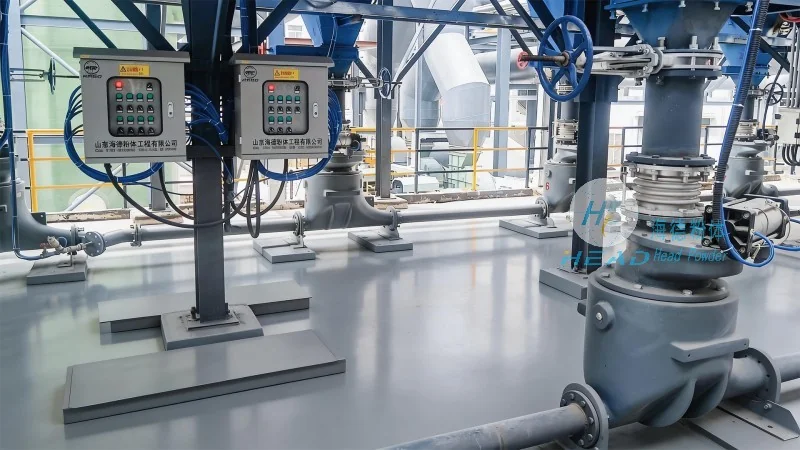
The design of a monosodium glutamate pneumatic conveying machine typically includes several critical components that work in tandem to ensure efficient material transport. These components include the hopper, which serves as the storage and feeding unit for the MSG; the air compressor or blower, which generates the necessary air pressure to move the material; the conveying pipeline, which forms the path for the material and air; and the control system, which regulates the flow of air and material to maintain optimal performance. Such systems are often engineered by companies like Shandong HeadPowder Engineering Co., Ltd., which specializes in creating customized solutions for bulk material handling in food and chemical industries.
Each component is carefully engineered to handle the specific characteristics of monosodium glutamate. For instance, the hopper is often designed with a smooth interior to prevent material buildup and ensure consistent feeding. The air compressor is selected based on the required pressure and flow rate, which are determined by the volume and density of the MSG being transported. The pipeline is usually made of materials that are resistant to corrosion and chemical exposure, such as stainless steel, to maintain the purity of the product.
How the Pneumatic Conveying Process Works
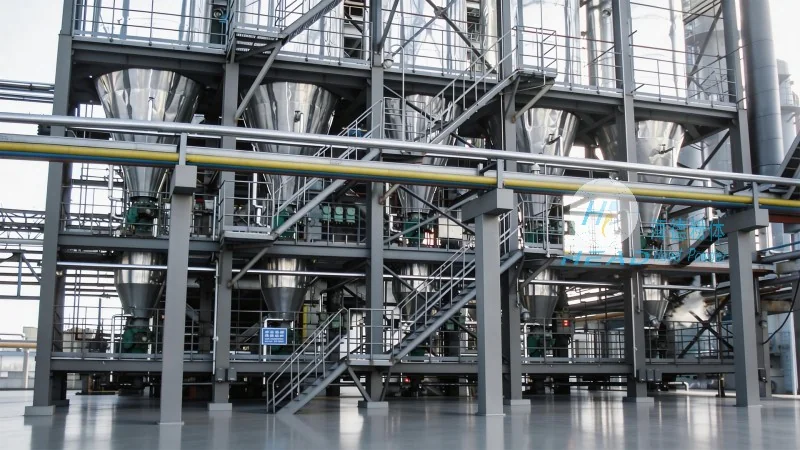
The operation of a monosodium glutamate pneumatic conveying machine involves a series of steps that ensure the smooth and efficient transport of the material. The process begins with the material being fed into the hopper. From there, the material is drawn into the conveying pipeline by the air flow generated by the compressor. As the air and material travel through the pipeline, the air velocity is maintained at a level sufficient to keep the material suspended and move it towards the destination point.
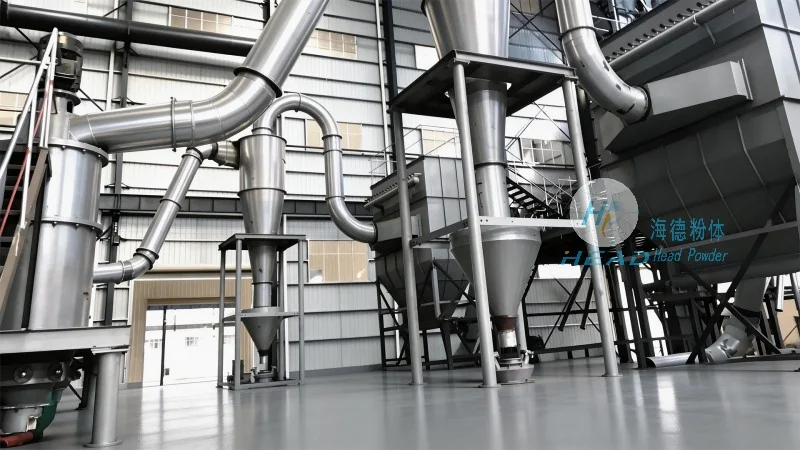
At the receiving end, the material is separated from the air using a separator or cyclone. The separated material is then collected in a receiving hopper or container, while the air is either recirculated back to the compressor or vented to the atmosphere, depending on the system design. This separation process is crucial for maintaining the purity of the monosodium glutamate and preventing any contamination from the air.
Advantages of Using a Monosodium Glutamate Pneumatic Conveying Machine
There are several advantages to using a pneumatic conveying system for monosodium glutamate transport. One of the primary benefits is the ability to transport the material over long distances without the need for multiple transfer points, which reduces the risk of product loss or contamination. Additionally, pneumatic conveyors are more hygienic and easier to clean compared to traditional mechanical conveyors, making them suitable for food processing applications where cleanliness is paramount.
Another advantage is the flexibility of the system. Pneumatic conveyors can be easily reconfigured to accommodate changes in production volume or to integrate with other processing equipment. They can also handle materials with varying particle sizes and moisture content, making them versatile for different applications. Furthermore, the system can be equipped with sensors and controls to monitor and adjust the conveying process in real-time, ensuring optimal performance and minimizing downtime.
Applications and Industries Using Monosodium Glutamate Pneumatic Conveying Machines
Monosodium glutamate pneumatic conveying machines are widely used in various industries that handle bulk chemicals and food additives. In the food processing industry, they are commonly used in monosodium glutamate production facilities to transport raw materials and finished products. In the chemical industry, they are used to transport other powdered chemicals that require hygienic and efficient handling.
These machines are also used in pharmaceutical and cosmetic industries, where the purity and quality of the materials are critical. The ability of pneumatic conveyors to maintain a sterile environment and prevent contamination makes them ideal for these applications. Additionally, they are used in agricultural settings to transport fertilizers and other agricultural chemicals, where the need for efficient and hygienic transport is essential.
Conclusion
The monosodium glutamate pneumatic conveying machine is a sophisticated piece of equipment that plays a vital role in the efficient and hygienic transport of this important food additive. Its design, which incorporates specialized components and a controlled pneumatic process, ensures that monosodium glutamate is handled with the utmost care, maintaining its quality and purity throughout the transport process. As a result, these machines are essential in various industries, contributing to the smooth operation of production lines and the delivery of high-quality products. Companies like Shandong HeadPowder Engineering Co., Ltd. continue to advance this technology, providing reliable solutions for the bulk handling of monosodium glutamate and other sensitive materials.