With more than 10‑year industry experience, Shandong Headpowder delivers full‑service pneumatic‑conveying systems and blowers, undertaking nationwide turn‑key powder‑handling projects.
Alumina, a critical industrial material widely used in various sectors such as ceramics, electronics, and chemical production, often requires efficient and reliable transportation methods to move it from one processing stage to another. The alumina pneumatic conveying system, also known as an alumina pneumatic conveyor, is a specialized equipment designed to handle the transport of alumina powder through the use of air or gas as the conveying medium. This system offers several advantages over traditional mechanical conveyors, including reduced material contamination, lower maintenance requirements, and the ability to transport materials in a closed system, which helps maintain product quality and safety. Developed by Shandong HeadPowder Engineering Co., Ltd., a leading manufacturer in the field, this system is engineered to meet the demanding requirements of alumina handling in industrial applications.
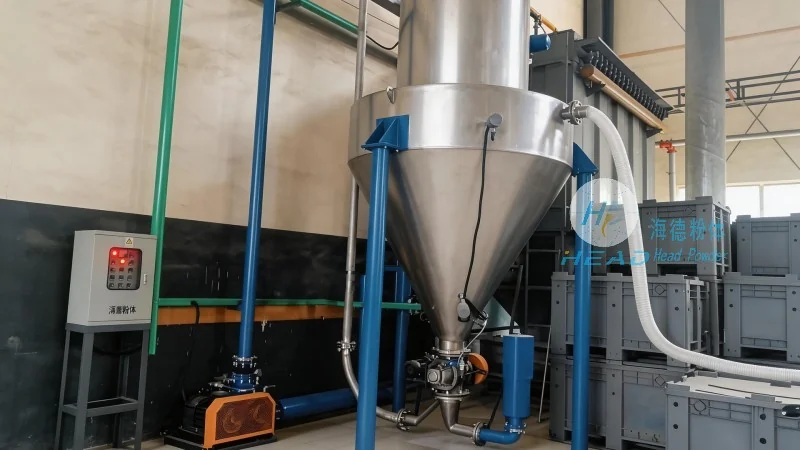
The alumina pneumatic conveying system operates by using a pressure or vacuum source to move alumina particles through a pipeline. The system typically consists of several key components, including a hopper for material storage, a feeder to control the flow of alumina into the system, a conveying line where the material is transported, and a receiver for the material at the destination. The choice between pressure and vacuum systems depends on the specific application and the distance and elevation changes required for material transport.
Designing an effective alumina pneumatic conveying system involves several critical principles that ensure optimal performance and efficiency. First, the system must be designed to handle the specific properties of alumina powder, such as its particle size, density, and flow characteristics. The particle size distribution is particularly important, as it affects the air velocity required for conveying and the risk of blockages. A well-designed system will account for these properties to ensure smooth and continuous operation.
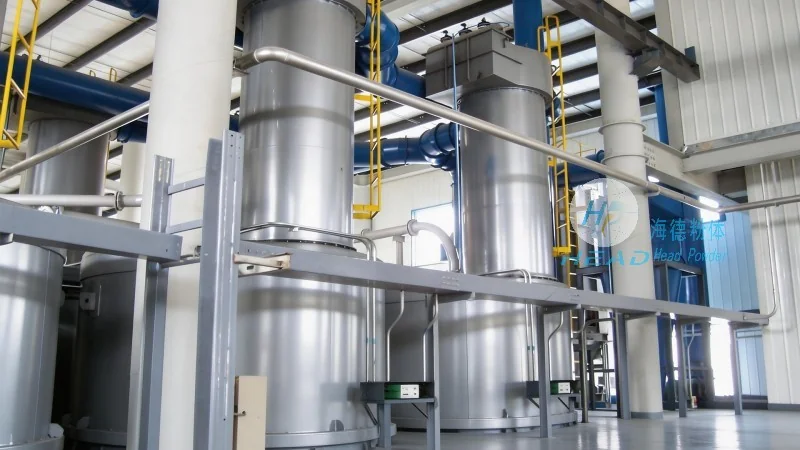
Second, the system must be constructed from materials that are compatible with alumina and the conveying environment. Alumina is a abrasive material, and the conveying components, such as the hopper, feeder, and pipeline, must be made from materials that can withstand wear and corrosion. Common materials used include stainless steel, special alloys, and high-quality plastics, which provide durability and resistance to the abrasive nature of alumina.
Third, the system must be designed to maintain a consistent air flow and pressure to ensure reliable material transport. The air velocity in the pipeline is a critical parameter, as it must be high enough to keep the alumina particles suspended and prevent settling or blockages. However, excessive air velocity can lead to increased energy consumption and potential damage to the system components. Therefore, the design must balance the air velocity with the material properties and the required transport distance to achieve optimal performance.
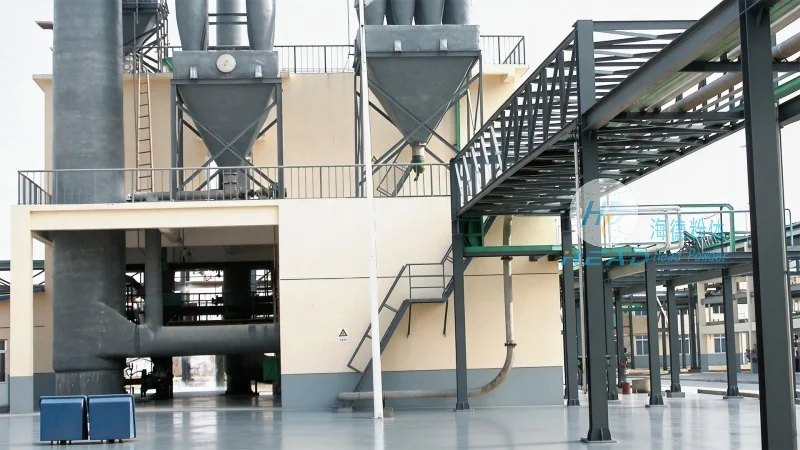
Fourth, the system must incorporate proper dust control and filtration to maintain a clean and safe working environment. Alumina is a fine powder, and during transport, it can generate dust that poses health risks and can affect the performance of downstream equipment. The system typically includes dust collectors and filters that capture and remove the fine particles from the air, ensuring that the exhaust air is clean and the material is delivered in a dust-free state.
The alumina pneumatic conveying system consists of several key components, each with a specific function to ensure the efficient transport of alumina. The hopper is the primary storage unit, designed to hold the alumina powder and provide a consistent feed to the system. It is typically equipped with a discharge valve to control the flow of material into the feeder. The feeder is responsible for regulating the flow rate of alumina into the conveying line, ensuring a steady and controlled supply of material. There are different types of feeders, such as rotary valves and screw feeders, which are chosen based on the material properties and the required flow rate.
The conveying line is the main pipeline through which the alumina particles are transported. It is usually made of stainless steel or other corrosion-resistant materials and is designed to withstand the pressure and abrasion from the material. The line may include bends, expansions, and contractions to accommodate changes in elevation and direction. The air source, which can be a blower or a vacuum pump, provides the necessary pressure or vacuum to move the material through the line. The air is introduced into the line at the hopper or the feeder, and the alumina particles are carried along with the air flow.
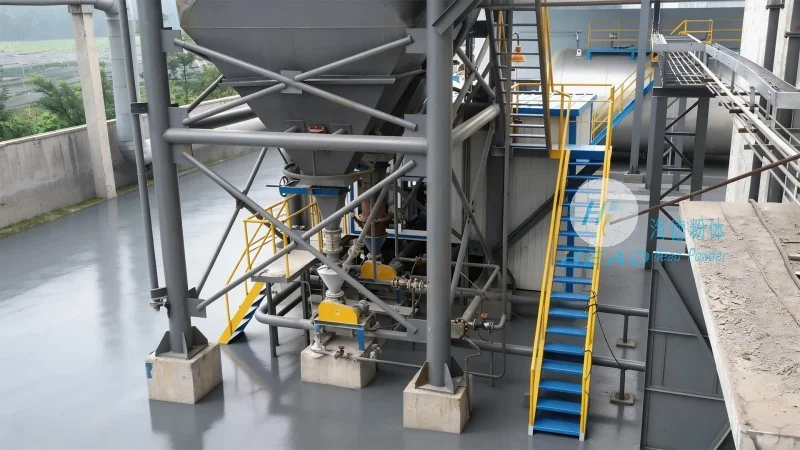
The receiver is the final component of the system, where the alumina is deposited at the destination. It is typically a hopper or a silo designed to hold the material and provide a controlled discharge. The receiver may also include a dust collection system to capture any fine particles that escape during the discharge process. The system may also include additional components, such as filters, cyclones, or dust collectors, to ensure that the exhaust air is clean and the material is delivered in a dust-free state.
The alumina pneumatic conveying system is widely used in various industrial applications where the transport of alumina powder is required. Some common applications include the transport of alumina from storage silos to processing equipment, such as ball mills or kilns, in ceramic production facilities. It is also used in chemical plants to transport alumina to reactors or other processing units. The system is particularly suitable for applications where the material needs to be transported over long distances or through changes in elevation, as it can handle these challenges effectively.

 Shandong Headpowder Engineering Co., Ltd.
 156-6277-7102(Manager Zhang)
  0531-83386006
  Zhangqiu District, Jinan City, Shandong Province, China
telephone
WeChatconsult
top