With more than 10‑year industry experience, Shandong Headpowder delivers full‑service pneumatic‑conveying systems and blowers, undertaking nationwide turn‑key powder‑handling projects.
Tea processing involves numerous steps, from leaf collection to final packaging, and efficient material handling is crucial at every stage. A tea pneumatic conveying machine is a specialized piece of equipment designed to transport loose tea leaves or other tea-related materials through a system of pipes using air pressure. This technology offers a hygienic, dust-free, and efficient method for moving tea products, making it an essential component in modern tea production facilities. The primary function of such a machine is to move tea from one processing stage to another, such as from the withering room to the drying oven, or from the packaging area to storage.
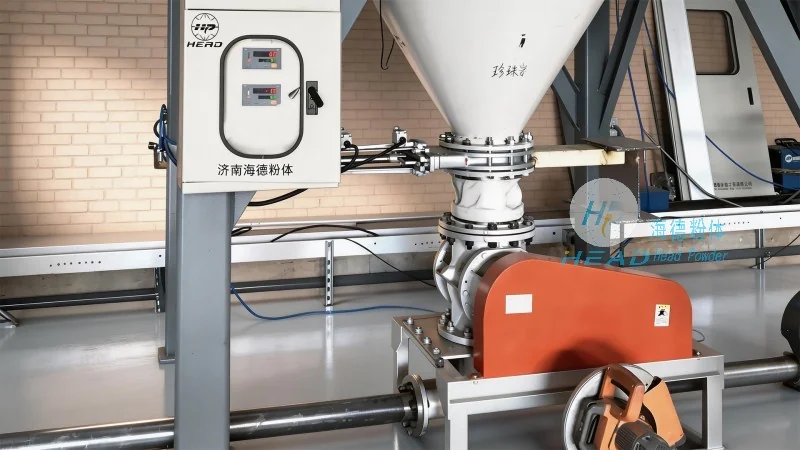
The design of a tea pneumatic conveying machine is based on fundamental principles of fluid dynamics and material handling. At its core, the system operates by creating a pressure differential between the inlet and outlet of the conveying line. This is typically achieved through a blower or fan that generates airflow, which then propels the tea particles through the pipeline. The key design elements include the type of air mover (positive displacement or centrifugal), the material of the conveying line (usually stainless steel to ensure hygiene and durability), and the configuration of the pipeline (vertical, horizontal, or a combination of both). The system also incorporates components like cyclone separators, filters, and dust collectors to ensure that the tea remains intact and free from contamination during transport. The design must consider factors such as the density and moisture content of the tea leaves, as these affect the air velocity required for effective conveying. Additionally, the system is engineered to minimize product degradation, ensuring that the quality of the tea is preserved throughout the process.
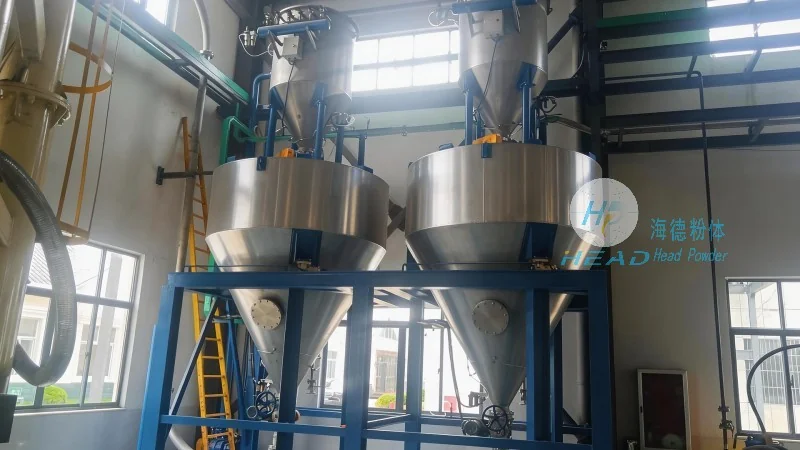
Tea pneumatic conveying machines consist of several critical components that work in tandem to achieve efficient material transport. The first component is the air mover, which can be either a positive displacement blower (such as a rotary lobe or roots blower) or a centrifugal fan. Positive displacement blowers are preferred for their ability to maintain consistent airflow even at low pressures, making them suitable for handling fine or low-density materials like tea leaves. The second key component is the conveying line, which is typically made of stainless steel to prevent corrosion and ensure food safety compliance. The line is equipped with bends, elbows, and straight sections to guide the tea through the system, and the diameter of the pipe is carefully selected to balance air velocity and pressure drop. The third component is the feed system, which may include a hopper or a rotary valve to introduce the tea into the conveying line. This system ensures that the tea is fed continuously and uniformly, preventing blockages and maintaining consistent flow. The fourth component is the separation and filtration system, which includes cyclone separators and filters to remove any fine particles or dust from the air before it is released back into the environment. This not only protects the environment but also prevents product contamination. Finally, the system may include a vacuum or pressure control system to regulate the airflow and maintain optimal conveying conditions.
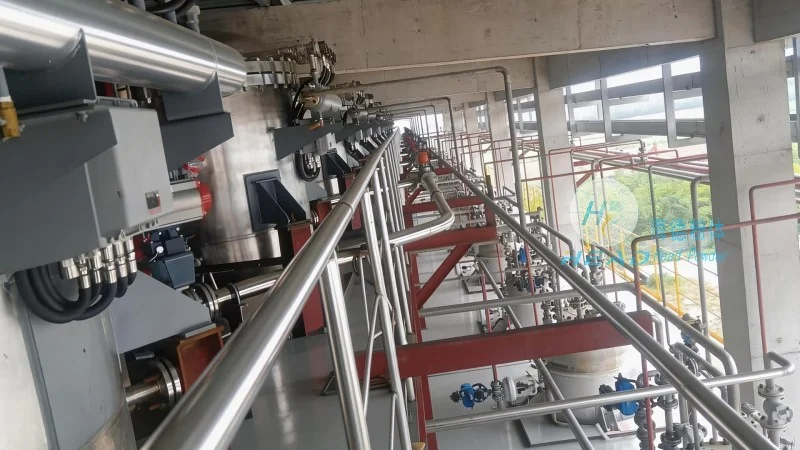
Implementing a tea pneumatic conveying machine in a tea processing facility offers several advantages over traditional methods like belt conveyors or manual handling. The most significant advantage is the hygienic and dust-free operation, which is critical for maintaining the quality and safety of tea products. Unlike mechanical conveyors, which can generate dust and cause contamination, pneumatic systems keep the tea enclosed within the pipeline, reducing the risk of microbial growth and cross-contamination. Another advantage is the efficiency and speed of material transport. Pneumatic conveying can move large quantities of tea quickly and with minimal labor, improving overall production throughput. The system also reduces product damage, as the tea leaves are not subjected to friction or impact during transport, which can affect their quality and flavor. Additionally, the flexibility of the system allows for easy integration with other processing equipment, such as sorting machines or packaging lines. The ability to transport tea vertically and horizontally without the need for complex machinery makes it a versatile solution for various tea processing layouts. Finally, the system is easy to clean and maintain, as the stainless steel components can be disassembled and sanitized, ensuring compliance with food safety regulations.

 Shandong Headpowder Engineering Co., Ltd.
 156-6277-7102(Manager Zhang)
  0531-83386006
  Zhangqiu District, Jinan City, Shandong Province, China
telephone
WeChatconsult
top