With more than 10‑year industry experience, Shandong Headpowder delivers full‑service pneumatic‑conveying systems and blowers, undertaking nationwide turn‑key powder‑handling projects.
Cement pneumatic conveying systems are essential equipment in the construction and industrial sectors, facilitating the efficient transport of cement and other powdery materials. These systems utilize air as the primary medium to move bulk materials from one location to another, offering advantages such as reduced labor costs, improved safety, and enhanced material handling efficiency. For businesses involved in cement production, distribution, or construction, understanding the functionality and design principles of such systems is crucial for optimizing operational processes.
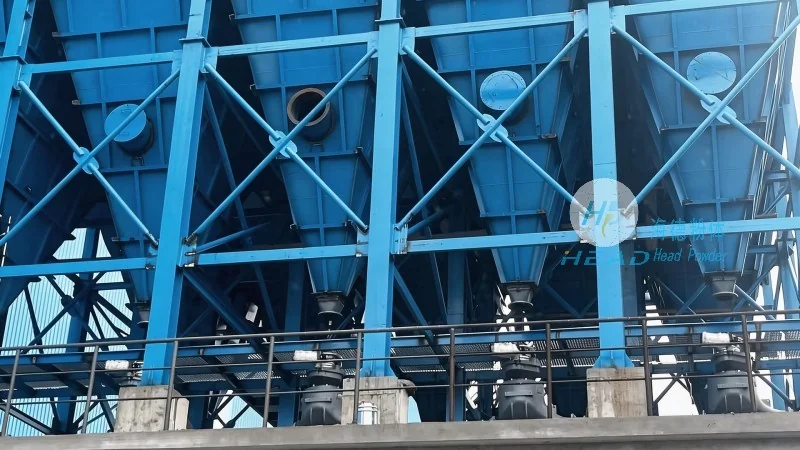
HeadPowder, a leading manufacturer of industrial material handling equipment, is dedicated to providing high-quality cement pneumatic conveying systems. With a strong presence in Shandong, China, HeadPowder Engineering Co., Ltd. leverages years of expertise and advanced technology to develop reliable and efficient solutions tailored to the needs of various industries. The company’s commitment to innovation and customer satisfaction has made it a trusted name in the field of pneumatic conveying technology.
The design of a cement pneumatic conveying system revolves around several key principles that ensure effective and reliable material transport. The primary mechanism involves creating a pressure differential between the inlet and outlet of the system, typically using a blower or fan to generate airflow. This airflow draws the cement powder into the system through a hopper or feeder, where it is then carried through a pipeline to the destination point. The system’s design must consider factors such as material properties (e.g., particle size, moisture content), airflow velocity, and system pressure to prevent blockages and ensure consistent performance.
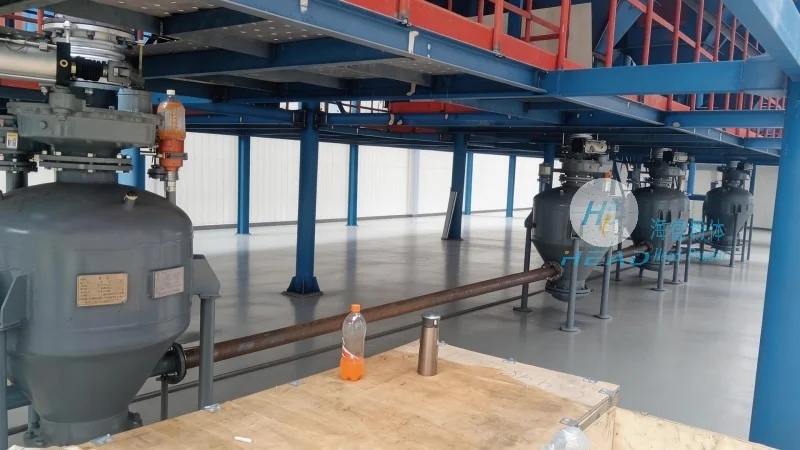
Several critical components work together to make a cement pneumatic conveying system functional. The hopper or feeder is responsible for storing and feeding the cement powder into the system, ensuring a steady supply of material. The blower or fan generates the necessary airflow, creating the pressure differential required for transport. The pipeline system, often made of durable materials like stainless steel or PVC, conveys the cement from the source to the destination. Additionally, the system may include components like filters, cyclones, and silos to separate air from the material and store the cement, respectively. Each component plays a vital role in maintaining the system’s efficiency and preventing operational issues.
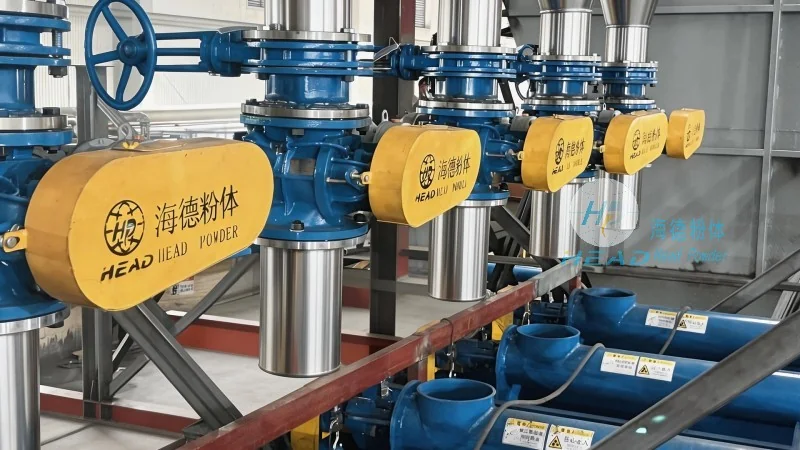
Implementing a cement pneumatic conveying system offers numerous benefits for industrial operations. Firstly, it significantly reduces the need for manual handling, minimizing labor costs and improving workplace safety. The enclosed system also prevents dust emissions, contributing to a cleaner and healthier working environment. Furthermore, the system’s ability to transport materials over long distances without the need for intermediate storage or handling points enhances overall operational efficiency. By streamlining the material transport process, businesses can achieve faster production cycles and better inventory management.
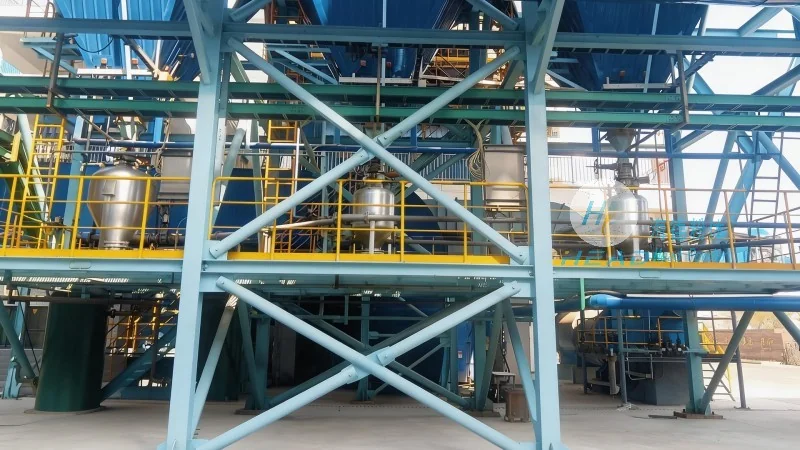
Cement pneumatic conveying systems are widely used across various industries, including construction, cement manufacturing, and chemical processing. In the construction sector, these systems are essential for transporting cement to job sites, ensuring timely delivery and reducing material waste. In cement manufacturing plants, the systems facilitate the internal transport of raw materials and finished products, optimizing production workflows. Additionally, in chemical and pharmaceutical industries, similar pneumatic conveying systems are used to handle powdery substances, leveraging the same principles of air-based transport. The versatility of cement pneumatic conveying systems makes them suitable for a wide range of applications, catering to the diverse needs of different industries.
For businesses to maximize the benefits of cement pneumatic conveying systems, it is essential to ensure their proper design, installation, and maintenance. Regular inspection and maintenance of components like the blower, pipeline, and filters are crucial to prevent system failures and maintain optimal performance. Additionally, selecting the right system based on the specific material characteristics and operational requirements is vital. HeadPowder, with its expertise in material handling solutions, offers customized solutions that address these considerations, ensuring that clients receive systems that are reliable, efficient, and tailored to their unique needs.

 Shandong Headpowder Engineering Co., Ltd.
 156-6277-7102(Manager Zhang)
  0531-83386006
  Zhangqiu District, Jinan City, Shandong Province, China
telephone
WeChatconsult
top