

What is a High-Pressure Pulse Pneumatic Conveying System? What Are Its Design Principles?
High-pressure pulse pneumatic conveying systems represent a sophisticated technology used in material handling and processing industries. These systems are engineered to transport bulk materials through a pipeline using compressed air or other gas, offering an efficient and flexible solution for various industrial applications. Understanding the fundamentals of such systems, including their design principles, is crucial for selecting the right equipment for specific operational needs.
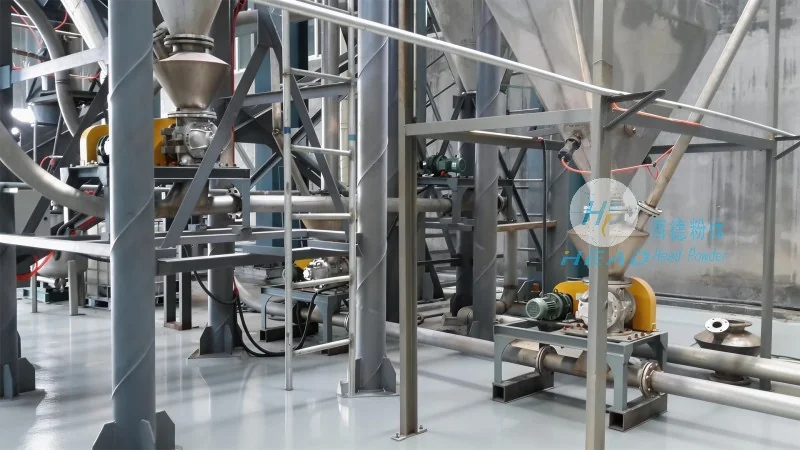
Introduction to High-Pressure Pulse Pneumatic Conveying Systems
HeadPowder, a leading manufacturer based in Shandong, China, specializes in the design and production of advanced pneumatic conveying equipment. The company's expertise lies in developing high-performance systems that meet the demands of modern industrial processes. This article aims to explore the concept of high-pressure pulse pneumatic conveying systems, detailing their operational mechanisms and key design principles.
What is a High-Pressure Pulse Pneumatic Conveying System?
A high-pressure pulse pneumatic conveying system is a type of pneumatic transport technology that utilizes high-pressure air pulses to move bulk materials through a sealed pipeline. Unlike traditional low-pressure systems, which rely on continuous air flow, high-pressure pulse systems employ intermittent high-pressure bursts to create a "slug" of material and air that travels through the pipeline. This method enhances material transport efficiency, reduces energy consumption, and minimizes material degradation compared to other conveying methods.
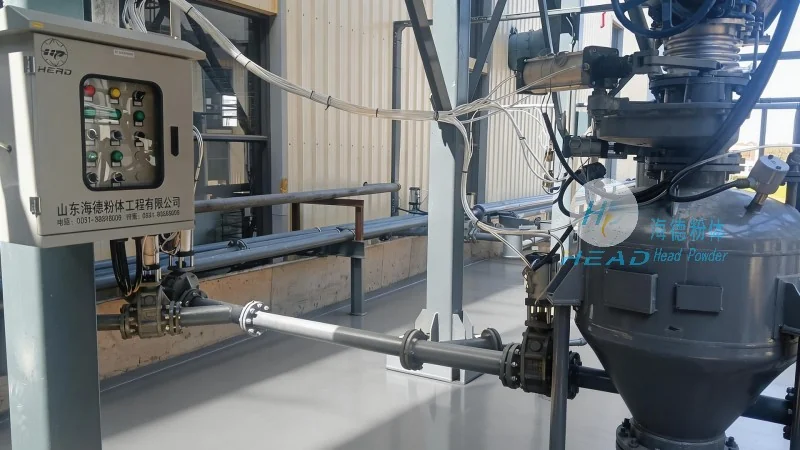
Key Design Principles of High-Pressure Pulse Pneumatic Conveying Systems
The design of a high-pressure pulse pneumatic conveying system involves several critical principles that ensure optimal performance and reliability. These principles include:
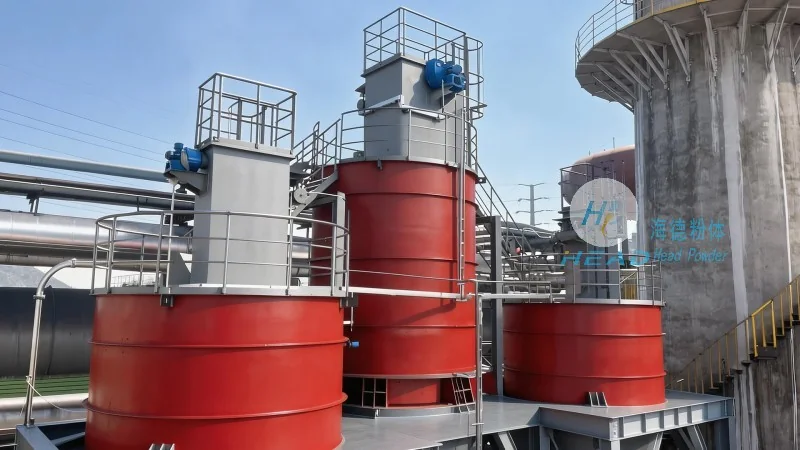
- Pressure Management: Maintaining precise control over the air pressure within the system is essential. High-pressure pulse systems typically operate at pressures ranging from 5 to 15 bar, depending on the material characteristics and pipeline length. Proper pressure regulation prevents excessive wear on components and ensures consistent material flow.
- Pipeline Sizing and Layout: The diameter and length of the conveying pipeline are carefully determined based on the material's flow properties, such as particle size, density, and moisture content. The layout of the pipeline, including the inclusion of bends, vertical sections, and horizontal runs, is optimized to minimize pressure drop and energy loss. HeadPowder engineers use advanced computational fluid dynamics (CFD) to model and optimize pipeline designs for maximum efficiency.
- Valve and Control System Integration: The system incorporates specialized valves, such as pulse valves and check valves, to control the timing and duration of air pulses. These valves work in conjunction with a control unit to regulate the flow of material and air. The control system ensures that pulses are delivered at the correct intervals, preventing material buildup and maintaining consistent transport rates.
- Material Compatibility: The design of the system considers the specific properties of the conveyed material. For instance, abrasive or corrosive materials may require special materials of construction for the pipeline and components to ensure durability and prevent wear. HeadPowder offers customized solutions, including stainless steel or special alloys, to accommodate various material types.
Advantages of High-Pressure Pulse Pneumatic Conveying Systems
High-pressure pulse pneumatic conveying systems offer several advantages over traditional conveying methods, making them a preferred choice for many industries. These benefits include:
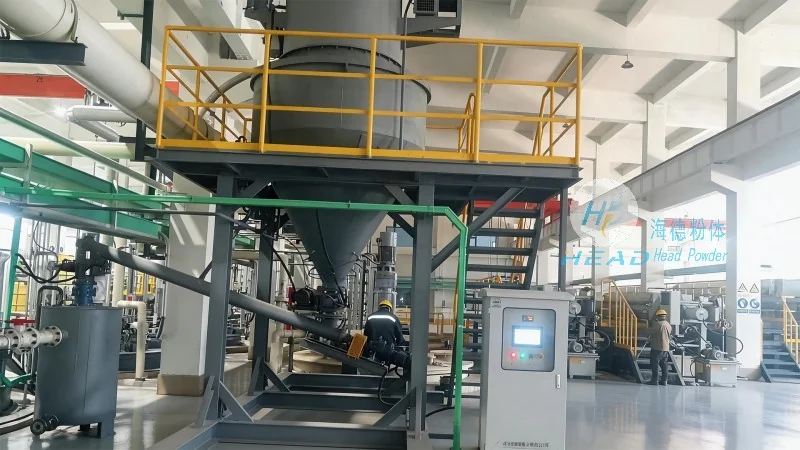
- Efficient Material Transport: The high-pressure pulses create a powerful flow of material, enabling the transport of large quantities of bulk materials over long distances with minimal energy consumption.
- Reduced Material Degradation: Unlike mechanical conveying systems, which can cause abrasion or breakage of particles, pneumatic systems gently move materials, preserving their integrity and quality.
- Flexibility and Versatility: These systems can handle a wide range of materials, including powders, granules, and even bulk solids, with minimal modifications. The ability to change pipeline configurations or adjust pressure settings allows for adaptability to varying production requirements.
- Low Maintenance Requirements: Compared to mechanical systems, high-pressure pulse systems have fewer moving parts, reducing the risk of mechanical failure and lowering maintenance costs.
Applications and Industries
High-pressure pulse pneumatic conveying systems are widely used in various industries, including:
- Pharmaceutical and food processing industries, where material purity and hygiene are critical.
- Chemical and petrochemical sectors, for transporting abrasive or corrosive materials.
- Mineral processing and mining, for handling bulk ores and powders.
- Plastics and rubber manufacturing, for conveying raw materials and finished products.
Conclusion
High-pressure pulse pneumatic conveying systems represent a highly efficient and versatile solution for bulk material transport. With their advanced design principles and robust construction, these systems offer significant advantages in terms of performance, reliability, and cost-effectiveness. HeadPowder, with its expertise in pneumatic conveying technology, provides tailored solutions that meet the specific needs of industrial clients, ensuring optimal material handling and processing outcomes.