With more than 10‑year industry experience, Shandong Headpowder delivers full‑service pneumatic‑conveying systems and blowers, undertaking nationwide turn‑key powder‑handling projects.
Centralized material feeding and conveying systems represent a sophisticated approach to managing material flow in industrial settings. These systems are designed to streamline the process of transporting raw materials, components, or finished goods from storage to production lines or other destinations within a facility. The core objective is to enhance efficiency, reduce labor costs, and minimize the risk of material handling errors. In this article, we will delve into the working principles and key features of such systems, providing a comprehensive overview that is essential for understanding their role in modern manufacturing and material handling operations.
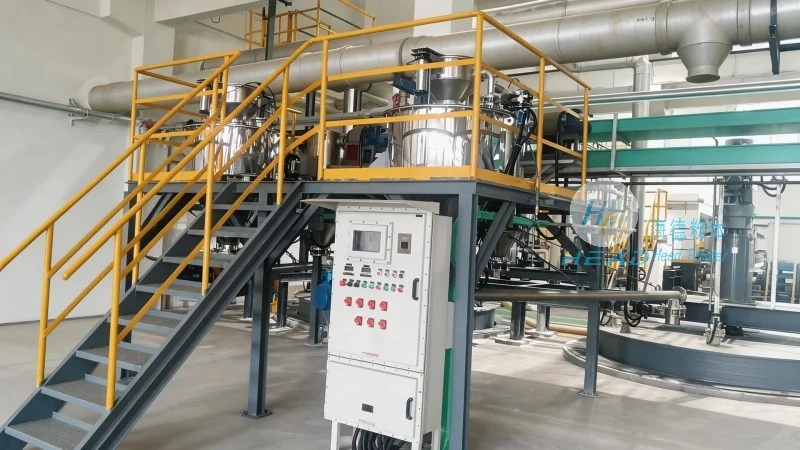
The fundamental working principle of a centralized material feeding and conveying system revolves around the integration of various components to create a seamless material flow. At its core, the system typically includes a central control unit that coordinates the movement of materials through a network of conveyors, storage bins, and feeding mechanisms. The control unit may utilize sensors, programmable logic controllers (PLCs), or advanced software to monitor and adjust the flow based on real-time production demands. This automation ensures that materials are delivered precisely when and where they are needed, optimizing production schedules and reducing downtime.
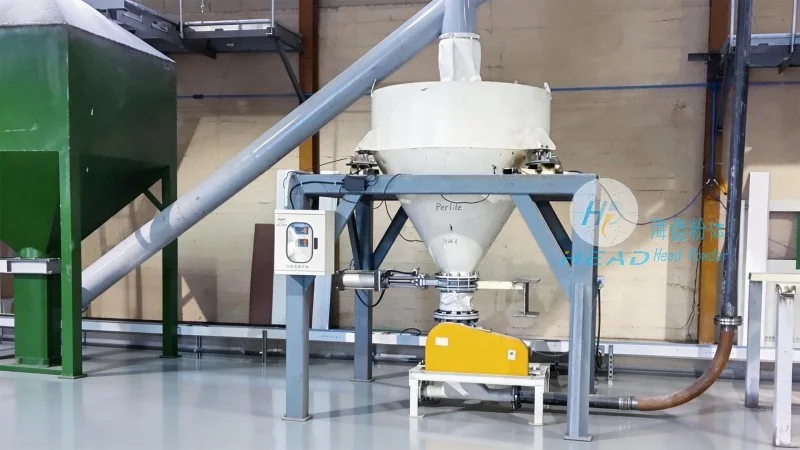
Several critical components work in tandem to enable the system's functionality. The primary components include bulk material storage silos or hoppers, which hold raw materials and feed them into the system. From there, material is transferred via conveyor belts, pneumatic systems, or mechanical feeders to the production areas. The system may also incorporate automated storage and retrieval systems (AS/RS) for organized inventory management, ensuring that materials are readily accessible and reducing the need for manual retrieval. Additionally, the system features sensors and feedback mechanisms that detect material levels, flow rates, and potential blockages, allowing for immediate adjustments to maintain optimal performance.
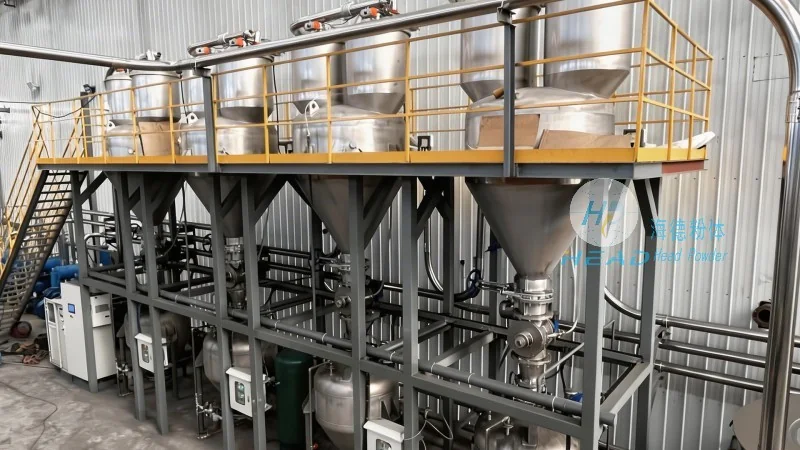
Centralized material feeding and conveying systems offer several distinct advantages that set them apart from traditional, decentralized material handling methods. One of the most notable features is the high degree of automation, which minimizes the need for manual labor and reduces the risk of human error. The system's ability to integrate with existing production lines and software platforms enhances compatibility and scalability. Furthermore, the centralized design allows for better control over material quality and traceability, as all materials pass through a single, monitored pathway. This not only improves product consistency but also facilitates easier compliance with regulatory standards. Another key feature is the flexibility to adapt to varying production volumes and product types, making the system suitable for diverse manufacturing environments.
These systems are widely applied across various industries, including pharmaceuticals, food processing, chemicals, and automotive manufacturing. In the pharmaceutical industry, for instance, centralized systems ensure that raw materials are handled under sterile conditions, maintaining product integrity and regulatory compliance. In food processing, the systems help maintain hygiene standards while efficiently moving ingredients and finished products. The automotive sector benefits from the system's ability to handle large volumes of components and parts, reducing assembly time and improving overall production efficiency. By providing a reliable and efficient material flow solution, centralized systems contribute to increased productivity and cost savings for businesses operating in these sectors.
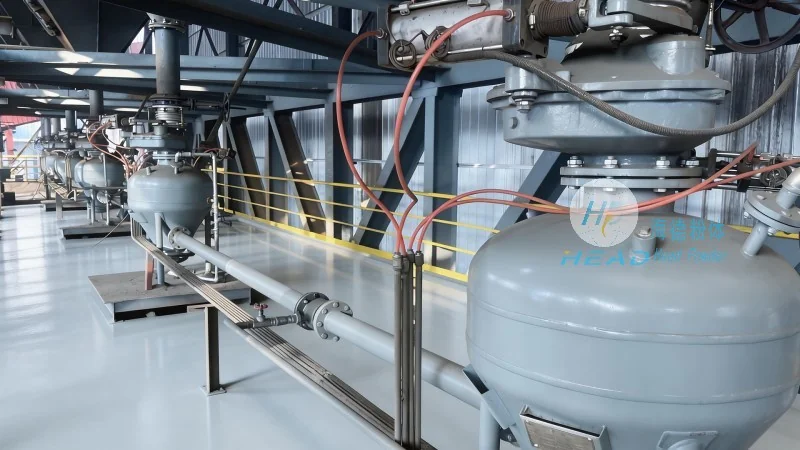
Centralized material feeding and conveying systems are a cornerstone of modern industrial material handling, offering significant improvements in efficiency, automation, and control. The working principles and features discussed above highlight the system's ability to streamline operations and enhance productivity. As a leading provider in this field, Shandong HeadPowder Engineering Co., Ltd. specializes in designing and implementing such systems tailored to the specific needs of clients. With a focus on innovation and quality, the company ensures that its solutions meet the highest standards of performance and reliability. Based in China, the company leverages its expertise to deliver comprehensive material handling solutions that support the growth and success of industrial operations worldwide.

 Shandong Headpowder Engineering Co., Ltd.
 156-6277-7102(Manager Zhang)
  0531-83386006
  Zhangqiu District, Jinan City, Shandong Province, China
telephone
WeChatconsult
top