With more than 10‑year industry experience, Shandong Headpowder delivers full‑service pneumatic‑conveying systems and blowers, undertaking nationwide turn‑key powder‑handling projects.
Calcium phosphate is a widely used material in various industrial applications, including pharmaceuticals, food processing, and chemical manufacturing. The efficient and reliable transportation of calcium phosphate materials is crucial for maintaining production efficiency and product quality. This article provides an in-depth look at the operation process and working principle of calcium phosphate material conveying lines, highlighting the key components, operational steps, and technical considerations involved in the system.
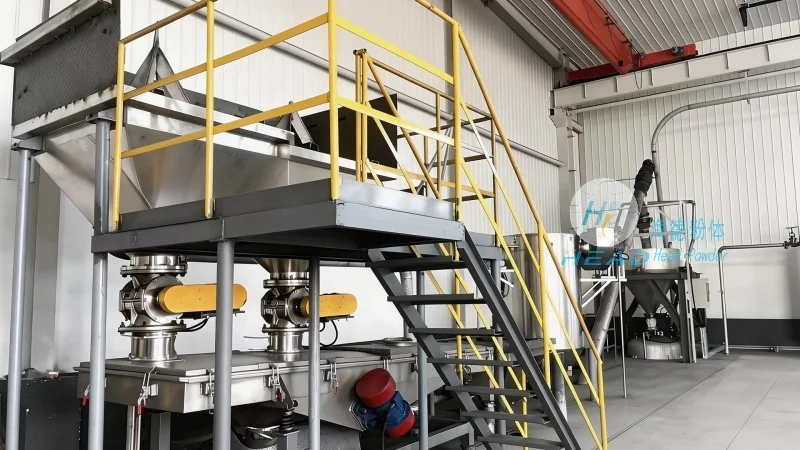
Calcium phosphate material conveying lines are specialized systems designed to transport calcium phosphate powders or granules from one location to another within industrial facilities. These systems are engineered to handle the unique properties of calcium phosphate, such as its fine particle size, hygroscopic nature, and potential for dust generation. The design of these conveying lines typically incorporates features to minimize material degradation, prevent clogging, and ensure consistent flow rates.
The calcium phosphate material conveying line consists of several critical components that work in tandem to ensure smooth operation. These components include feeders, conveyors, hoppers, and control systems. Each component plays a vital role in the overall functionality of the system.
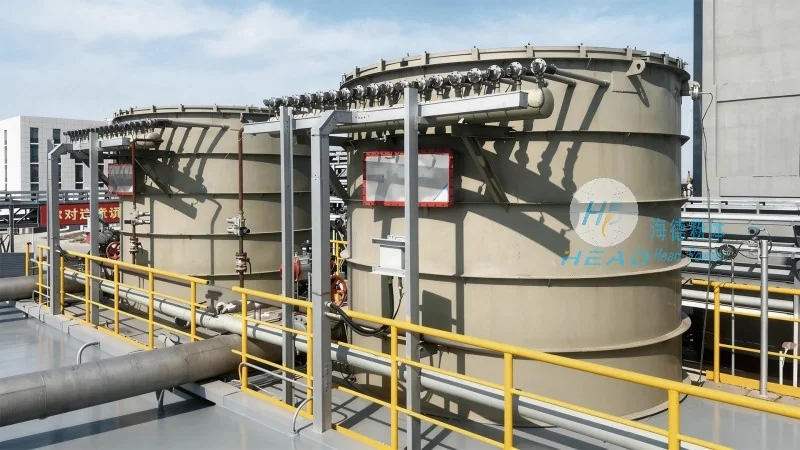
The feeder is the initial component that receives calcium phosphate material from a storage silo or hopper. It is responsible for regulating the flow rate of the material into the conveyor. Common types of feeders used in calcium phosphate conveying lines include rotary valves, screw feeders, and vibratory feeders. The choice of feeder depends on the material's characteristics, such as bulk density and flowability. For calcium phosphate, which can be prone to bridging or segregation, a well-designed feeder is essential to maintain a consistent feed rate and prevent material blockages.
The conveyor is the core component of the calcium phosphate material conveying line, responsible for transporting the material over long distances or to different processing units. Several types of conveyors are suitable for calcium phosphate, including belt conveyors, bucket elevators, and pneumatic conveyors. Belt conveyors are commonly used for horizontal or slight incline transport due to their simplicity and efficiency. Bucket elevators are ideal for vertical or steep incline transport, as they can handle vertical lifts while minimizing material spillage. Pneumatic conveyors, or air-powered systems, are often used for fine powders like calcium phosphate, as they can transport material through pipelines with minimal dust generation.
Hoppers are used to store and temporarily hold calcium phosphate material before it is fed into the conveyor system. The design of the hopper is critical to prevent material bridging, which can lead to flow interruptions. Hoppers are typically equipped with internal liners or anti-bridging devices to ensure smooth material flow. The storage silo or hopper is often located above the feeder, allowing gravity to assist in material flow. This setup reduces the need for additional power and ensures a steady supply of material to the system.
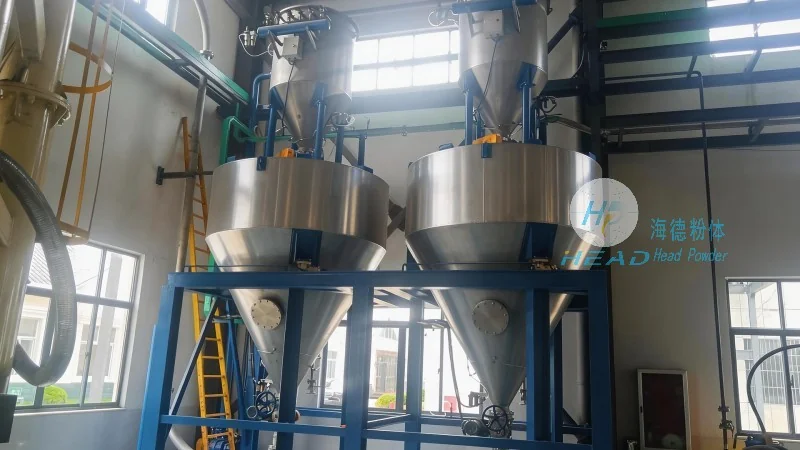
Modern calcium phosphate material conveying lines are equipped with advanced control and monitoring systems to ensure optimal performance. These systems include sensors for level detection, flow rate measurement, and pressure monitoring. The control system regulates the feeder speed, conveyor speed, and other parameters to maintain consistent material flow. It also includes alarms and safety features to detect and prevent issues such as overfilling, blockages, or abnormal pressure changes. This level of automation enhances operational efficiency and reduces the risk of material loss or equipment damage.
The operation process of a calcium phosphate material conveying line involves several sequential steps that ensure the material is transported safely and efficiently. The process typically begins with the material being stored in the hopper or silo. The feeder then regulates the flow of material into the conveyor. The conveyor transports the material to the desired destination, such as a processing unit or storage area. The control system continuously monitors the system's performance and adjusts parameters as needed to maintain optimal operation.
The working principle of a calcium phosphate material conveying line is based on the principles of material handling and fluid dynamics. The system uses mechanical or pneumatic forces to move the material from the source to the destination. In mechanical systems, such as belt or bucket conveyors, the material is moved by the motion of the conveyor belt or buckets. In pneumatic systems, the material is carried by a stream of air within the pipeline. The design of the system takes into account the material's properties, such as particle size, density, and flowability, to ensure efficient and reliable transport.
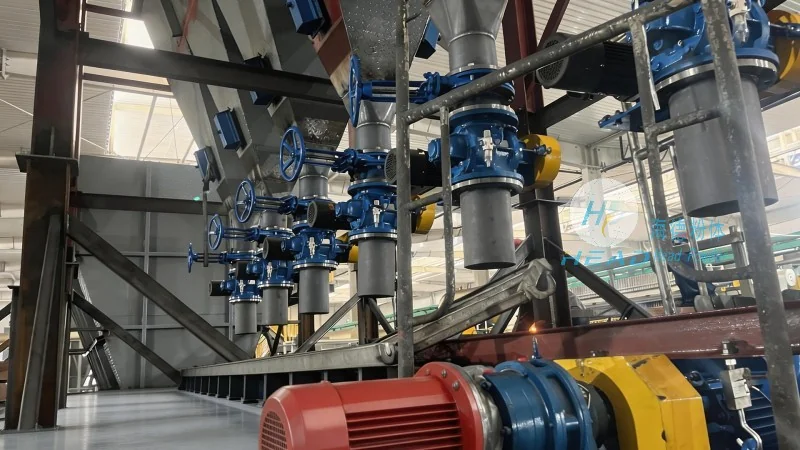
When designing and operating calcium phosphate material conveying lines, several technical considerations must be addressed to ensure the system's effectiveness and longevity. These considerations include material compatibility, equipment maintenance, and environmental factors. Calcium phosphate is a hygroscopic material, meaning it can absorb moisture from the air, which can affect its flowability and processing characteristics. Therefore, the conveying system must be designed to minimize exposure to moisture and maintain a dry environment. Regular maintenance of the equipment, such as cleaning and lubrication, is essential to prevent wear and tear and ensure consistent performance. Additionally, the system must be designed to handle the potential for dust generation, as calcium phosphate is a fine powder that can create dust during handling. Proper dust control measures, such as sealing and filtration, are necessary to maintain a safe and healthy working environment.
In conclusion, calcium phosphate material conveying lines are critical components in industrial processes that require the efficient transportation of calcium phosphate materials. The operation process and working principle of these systems involve a combination of mechanical and pneumatic components, carefully designed to handle the unique properties of calcium phosphate. By understanding the key components, operational steps, and technical considerations, industrial facilities can ensure the reliable and efficient operation of their calcium phosphate conveying lines, ultimately enhancing production efficiency and product quality.

 Shandong Headpowder Engineering Co., Ltd.
 156-6277-7102(Manager Zhang)
  0531-83386006
  Zhangqiu District, Jinan City, Shandong Province, China
telephone
WeChatconsult
top