With more than 10‑year industry experience, Shandong Headpowder delivers full‑service pneumatic‑conveying systems and blowers, undertaking nationwide turn‑key powder‑handling projects.
Continuous quantitative material conveying lines are essential in modern industrial production, providing efficient and precise material handling solutions for various sectors. These systems are designed to transport bulk materials in a continuous manner while maintaining accurate quantity control, which is crucial for optimizing production efficiency and reducing operational costs. The following content will delve into the operation process and working principles of such systems, highlighting the technical aspects and practical applications.
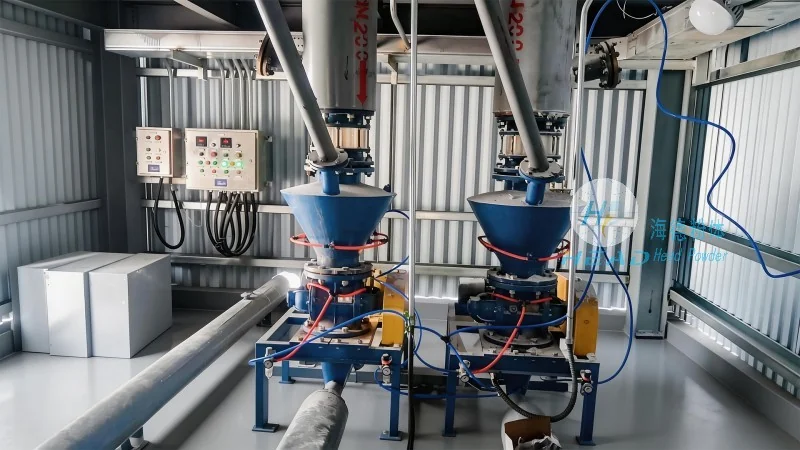
Continuous quantitative material conveying lines, also known as quantitative feeders or bulk material conveyors, are automated systems used to transport bulk materials from one location to another with precise control over the quantity delivered. These systems are widely used in industries such as pharmaceuticals, food processing, chemicals, and mining, where consistent material flow and accurate dosing are critical for product quality and process stability. The core components of these lines typically include feeding mechanisms, conveying systems, control units, and measurement devices, all working in harmony to achieve seamless material handling.
The performance of a continuous quantitative material conveying line depends on the integration of several key components. Each part plays a vital role in ensuring the system operates efficiently and reliably. The feeding mechanism is responsible for introducing the bulk material into the system, often using hoppers or feeders that regulate the flow rate. The conveying system, which may consist of screw conveyors, belt conveyors, or pneumatic systems, transports the material along the designated path. Control units, equipped with sensors and automation technology, monitor and adjust the system parameters in real-time to maintain the desired flow rate and quantity. Measurement devices, such as load cells or flow meters, provide accurate data on the material being conveyed, enabling precise control over the output.
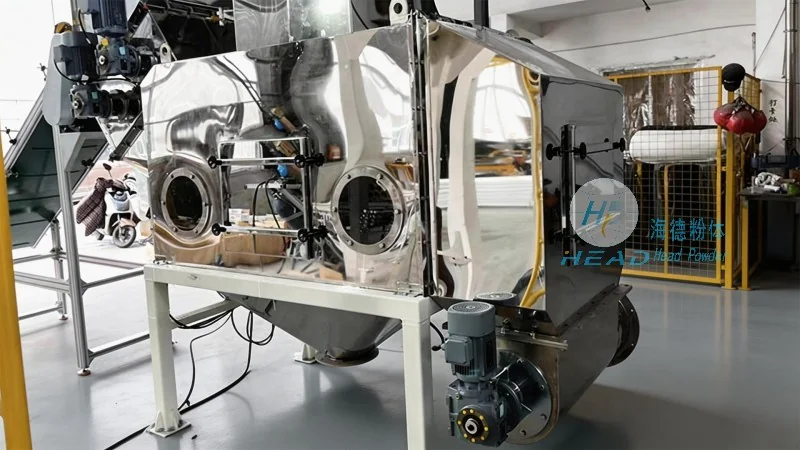
The operation process of a continuous quantitative material conveying line involves several sequential steps that ensure the material is transported and measured accurately. The process typically begins with the material being fed into the system from a storage hopper or raw material source. The feeding mechanism then regulates the flow of material into the conveying section, ensuring a consistent feed rate. As the material moves through the conveyor, it is continuously monitored by sensors and measurement devices. The control unit processes the data from these devices and adjusts the system settings as needed to maintain the target quantity. For example, if the measured flow rate deviates from the setpoint, the control unit will automatically adjust the speed of the conveyor or the feed rate to correct the discrepancy. This closed-loop control system ensures that the material is conveyed at a precise rate, minimizing variations and ensuring consistent output.

The working principles of continuous quantitative material conveying lines are based on the principles of fluid dynamics and mechanical engineering. The system operates by converting the bulk material into a controlled flow, which is then transported through the conveying system. The key principle is the maintenance of a constant flow rate, which is achieved through the integration of feeding, conveying, and control mechanisms. The feeding mechanism ensures that the material is introduced at a uniform rate, while the conveying system transports the material without significant loss or segregation. The control unit plays a critical role in maintaining the desired flow rate by continuously monitoring the material flow and adjusting the system parameters. This closed-loop control system ensures that the material is conveyed at a precise rate, minimizing variations and ensuring consistent output. The measurement devices provide real-time data on the material being conveyed, which is used to verify the accuracy of the system and make necessary adjustments.
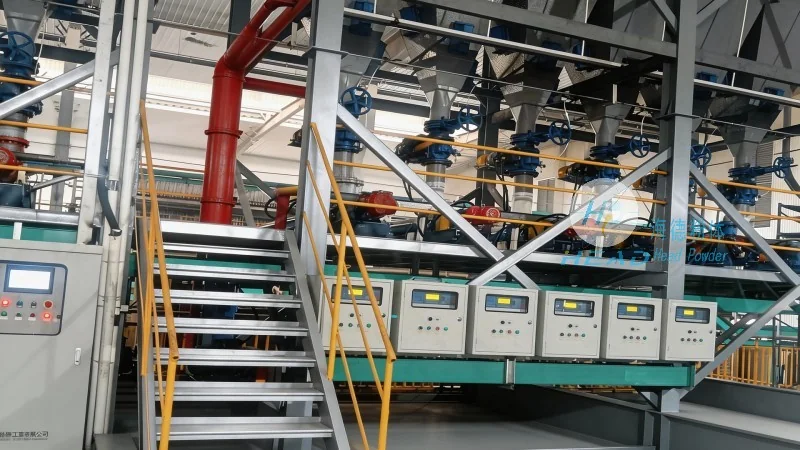
Continuous quantitative material conveying lines offer numerous benefits across various industries. In the pharmaceutical industry, these systems are used to transport active pharmaceutical ingredients (APIs) and excipients with high precision, ensuring consistent dosing and product quality. In food processing, they are used to convey raw materials such as grains, powders, and spices, maintaining hygiene and preventing contamination. In the chemical industry, they are used to transport bulk chemicals, ensuring safe and accurate handling. The benefits of these systems include improved production efficiency, reduced material waste, enhanced product quality, and lower operational costs. Additionally, the automation and precision of these systems reduce the need for manual intervention, minimizing human error and improving workplace safety.
Continuous quantitative material conveying lines are indispensable in modern industrial operations, providing efficient and precise material handling solutions. The operation process and working principles of these systems are designed to ensure consistent material flow and accurate quantity control, which are critical for optimizing production efficiency and reducing costs. As a leading provider in this field, Shandong HeadPowder Engineering Co., Ltd. specializes in the design, manufacturing, and installation of high-quality continuous quantitative material conveying lines. With years of experience and a commitment to innovation, the company has developed advanced systems that meet the diverse needs of various industries. HeadPowder's expertise in material handling technology ensures that their products are reliable, efficient, and tailored to the specific requirements of each client. Based in Shandong, China, HeadPowder serves clients globally, delivering solutions that enhance productivity and improve product quality. By leveraging their technical knowledge and manufacturing capabilities, HeadPowder continues to be a trusted partner in the industrial material handling sector.

 Shandong Headpowder Engineering Co., Ltd.
 156-6277-7102(Manager Zhang)
  0531-83386006
  Zhangqiu District, Jinan City, Shandong Province, China
telephone
WeChatconsult
top