With more than 10‑year industry experience, Shandong Headpowder delivers full‑service pneumatic‑conveying systems and blowers, undertaking nationwide turn‑key powder‑handling projects.
HeadPowder, a leading manufacturer based in Shandong, China, specializes in the design, production, and installation of high-efficiency mineral sand material conveying systems. These systems are engineered to handle various types of mineral sands, including but not limited to silica sand, quartz sand, and other fine-grained mineral materials. The company's expertise lies in creating customized solutions that meet the specific operational requirements of mining and processing industries.
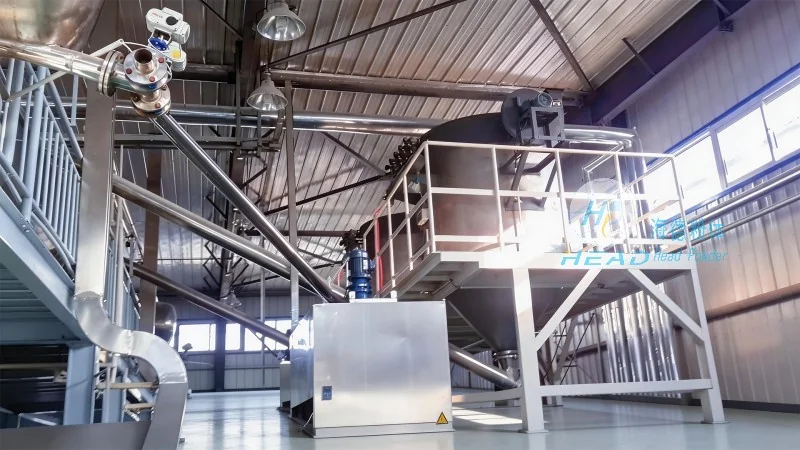
A typical mineral sand material conveying line consists of several critical components that work in tandem to ensure smooth material transport. The main elements include a feeding hopper, a conveyor belt or screw conveyor, a drive system, a control panel, and a discharge mechanism. The feeding hopper is responsible for collecting and storing the mineral sand, while the conveyor belt or screw conveyor transports the material from the hopper to the discharge point. The drive system provides the necessary power to move the conveyor, and the control panel allows operators to monitor and adjust the system's performance. The discharge mechanism then releases the mineral sand into the next processing stage or storage area.
The operation of a mineral sand material conveying line follows a systematic process that ensures efficient and continuous material handling. The process begins with the loading of mineral sand into the feeding hopper. The hopper is designed with a sloped bottom to facilitate the flow of material into the conveyor. Once the hopper is filled, the drive system activates, and the conveyor starts moving. The mineral sand is then transported along the conveyor belt or screw, moving from the inlet to the outlet. The speed of the conveyor can be adjusted based on the material's characteristics and the required throughput. At the discharge end, the material is released into a container or directly into the next processing unit. The control panel allows operators to monitor the system's speed, load, and any potential issues, ensuring that the conveying process runs smoothly and efficiently.
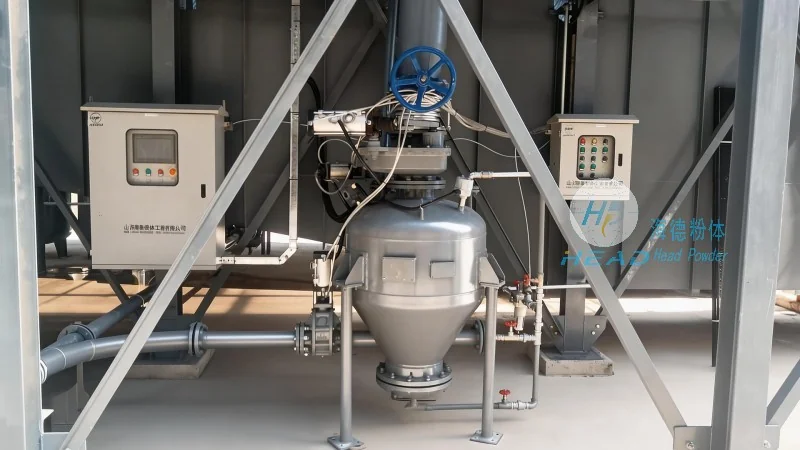
The working principle of a mineral sand material conveying line is based on mechanical energy transfer and material flow dynamics. The drive system, typically an electric motor connected to a gearbox or direct drive mechanism, provides the rotational force needed to move the conveyor. For belt conveyors, the motor drives the drive pulley, which in turn pulls the conveyor belt. The belt is supported by rollers or idlers that reduce friction and ensure smooth movement. The screw conveyor operates by rotating a helical screw inside a tube, pushing the material forward through the screw's threads. The control panel uses sensors and feedback mechanisms to regulate the speed and tension of the conveyor, maintaining optimal performance. The entire system is designed to handle the specific properties of mineral sands, such as particle size, density, and moisture content, to prevent blockages or damage to the equipment.

Implementing a mineral sand material conveying line offers several advantages for mining and processing operations. Firstly, it enhances operational efficiency by providing a continuous and automated material transport solution, reducing manual labor and increasing throughput. The system minimizes material handling time and improves overall production rates. Secondly, it improves safety by eliminating the need for manual handling of heavy or hazardous mineral sands, reducing the risk of accidents and injuries. Thirdly, the customized design of the conveying line ensures that it can handle various types of mineral sands, adapting to different operational needs. Additionally, the system's reliability and durability reduce maintenance costs and downtime, contributing to long-term operational savings.
HeadPowder offers customized mineral sand material conveying lines tailored to the specific requirements of each client. The company's engineers work closely with clients to understand their operational needs, material characteristics, and space constraints to design a system that maximizes efficiency and performance. Regular maintenance is crucial to ensure the longevity and reliability of the conveying line. HeadPowder provides maintenance services, including routine inspections, component replacement, and system calibration, to keep the equipment in optimal condition. The company's expertise in mineral sand processing ensures that clients receive comprehensive support throughout the lifecycle of their conveying system.

 Shandong Headpowder Engineering Co., Ltd.
 156-6277-7102(Manager Zhang)
  0531-83386006
  Zhangqiu District, Jinan City, Shandong Province, China
telephone
WeChatconsult
top