With more than 10‑year industry experience, Shandong Headpowder delivers full‑service pneumatic‑conveying systems and blowers, undertaking nationwide turn‑key powder‑handling projects.
For industrial operations that involve the transfer of bulk materials between trucks or other vehicles and processing facilities, efficient material handling systems are crucial. The loading and unloading material conveying line, as offered by Shandong HeadPowder Engineering Co., Ltd., is a specialized solution designed to streamline these processes, ensuring smooth and reliable material movement. This article provides an in-depth look at the operation process and working principle of such conveying lines, highlighting the key components and mechanisms that enable their functionality.
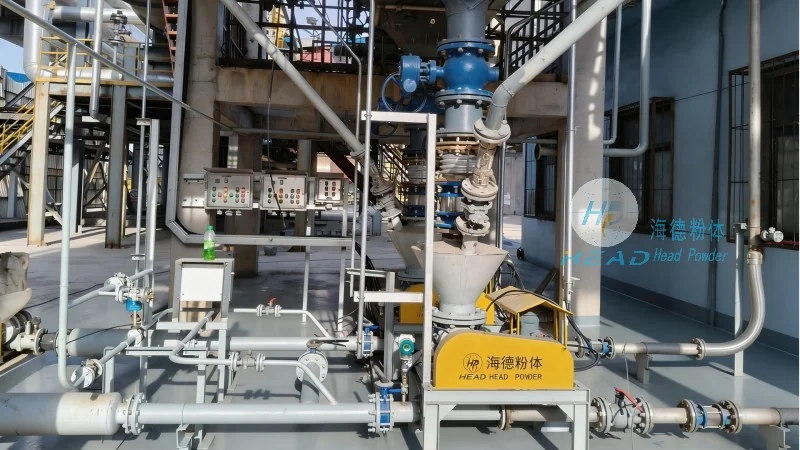
The loading and unloading material conveying line typically consists of several critical components that work in harmony to facilitate material transfer. The primary elements include a conveyor belt system, a drive unit, a tensioning mechanism, support structures, and often, auxiliary equipment such as feeders or hoppers. The conveyor belt, usually made of durable materials like rubber or PVC, serves as the main pathway for the material. The drive unit, which may be an electric motor coupled with a gearbox, provides the necessary power to move the belt. The tensioning mechanism, which can be a manual or automatic system, ensures the belt maintains proper tension to prevent slippage and maintain consistent speed. Support structures, such as metal frames or brackets, hold the conveyor system in place and provide stability during operation. These components are carefully designed and integrated to create a robust and efficient material handling solution.
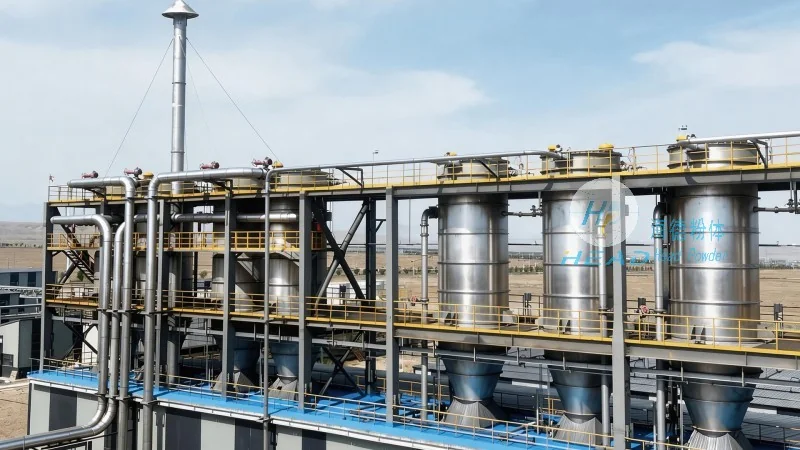
The working principle of the loading and unloading material conveying line is based on the mechanics of belt movement and material transfer. When the system is activated, the drive unit rotates the conveyor belt, creating a continuous loop. The material is fed onto the belt at one end, either manually or via an automated feeder, and is then carried along the belt's surface by friction. As the belt moves, the material travels towards the discharge point, where it is deposited into a storage bin, truck, or processing equipment. The tensioning mechanism plays a vital role in maintaining the belt's tension, ensuring it remains in contact with the drive pulley and prevents sagging, which could lead to material spillage or reduced efficiency. The support structures provide stability, distributing the weight of the belt and material evenly and preventing structural failure under load. The entire system operates on the principle of mechanical energy conversion, where electrical energy from the motor is converted into kinetic energy to move the belt and transport the material.
The operation process of the loading and unloading material conveying line involves several sequential steps that ensure safe and efficient material handling. The process begins with the preparation phase, where the system is checked for proper functionality, including inspecting the belt for damage, verifying the tension, and ensuring all components are securely fastened. Once the system is ready, the drive unit is activated, and the conveyor belt starts moving. Material is then introduced into the feed hopper or directly onto the belt at the loading end. As the belt transports the material, it moves towards the discharge point, where it is collected by the receiving equipment. The system continues to operate until the material is fully transferred, after which the drive unit is stopped, and the belt is allowed to come to a complete stop. The tensioning mechanism may be adjusted during operation to maintain optimal belt tension, especially if the load changes or the belt experiences wear. Safety protocols are strictly followed throughout the process, including the use of emergency stop buttons and regular maintenance checks to prevent accidents and ensure continuous operation.
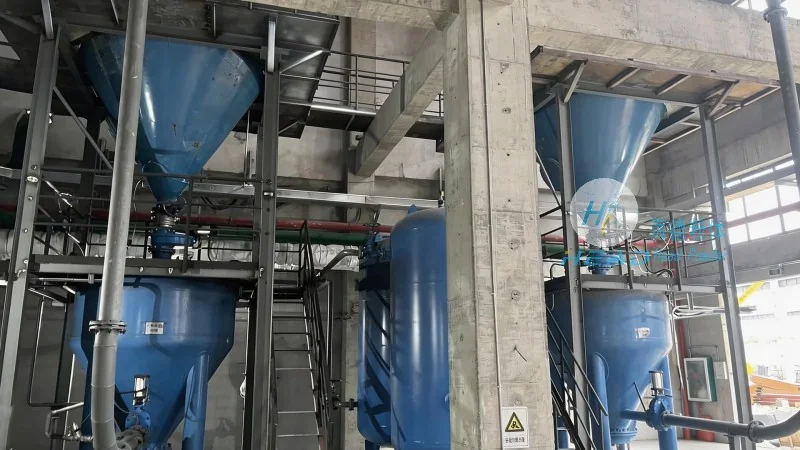
The loading and unloading material conveying line offers numerous benefits for industrial applications, making it a preferred choice for material handling tasks. One of the primary advantages is its ability to handle large volumes of bulk materials with minimal human intervention, reducing labor costs and increasing operational efficiency. The system is also highly adaptable, with options for different belt widths, lengths, and incline angles to suit various material types and operational requirements. This flexibility allows it to be used in a wide range of industries, including mining, construction, agriculture, and manufacturing. The conveying line is designed for durability and low maintenance, with components that are resistant to wear and tear from heavy loads and abrasive materials. This reduces downtime and maintenance costs, contributing to long-term cost savings. Additionally, the system can be integrated with other equipment, such as scales or sensors, to provide real-time monitoring of material flow and inventory levels, enhancing overall operational control.

 Shandong Headpowder Engineering Co., Ltd.
 156-6277-7102(Manager Zhang)
  0531-83386006
  Zhangqiu District, Jinan City, Shandong Province, China
telephone
WeChatconsult
top