With more than 10‑year industry experience, Shandong Headpowder delivers full‑service pneumatic‑conveying systems and blowers, undertaking nationwide turn‑key powder‑handling projects.
At Shandong HeadPowder Engineering Co., Ltd., we specialize in the design and manufacturing of advanced synthetic fiber material handling equipment. Our equipment is engineered to efficiently transport and manage synthetic fibers, ensuring optimal performance in various industrial applications. This article provides a detailed overview of the operation process and working principle of our synthetic fiber material handling systems.
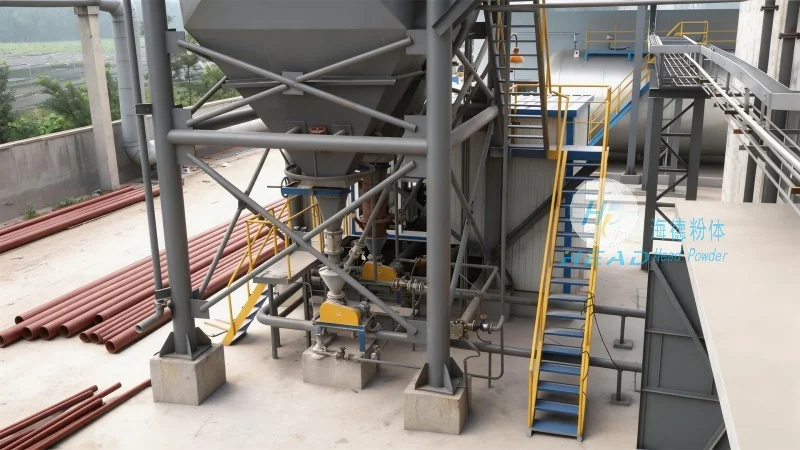
The synthetic fiber material handling equipment typically consists of several critical components that work in tandem to ensure smooth operation. These components include feed hoppers, conveyor systems, control panels, and discharge mechanisms. Each component plays a vital role in the overall functionality of the system. The feed hopper is responsible for receiving and storing the synthetic fibers, while the conveyor system transports the fibers through the processing line. The control panel allows operators to monitor and adjust the equipment's settings, ensuring precise control over the material flow. The discharge mechanism then collects the processed fibers and prepares them for further use.
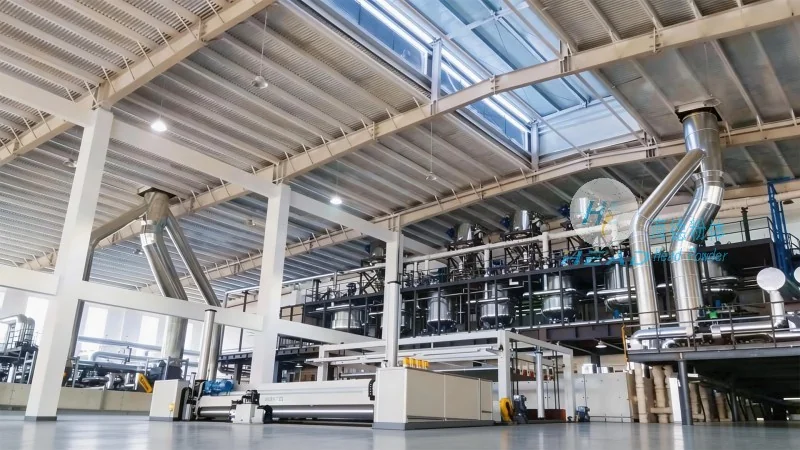
The operation process of synthetic fiber material handling equipment begins with the loading of synthetic fibers into the feed hopper. The hopper is designed to hold a sufficient quantity of material to maintain a consistent flow rate. Once the hopper is filled, the conveyor system starts to transport the fibers forward. The conveyor may consist of various types such as belt conveyors, screw conveyors, or pneumatic conveyors, depending on the specific application and fiber characteristics. As the fibers move along the conveyor, they may undergo additional processing steps, such as blending, drying, or sorting. The control panel continuously monitors the flow rate and adjusts the conveyor speed as needed to maintain an even distribution of fibers. The discharge mechanism then collects the processed fibers and transfers them to the next stage of the production process.
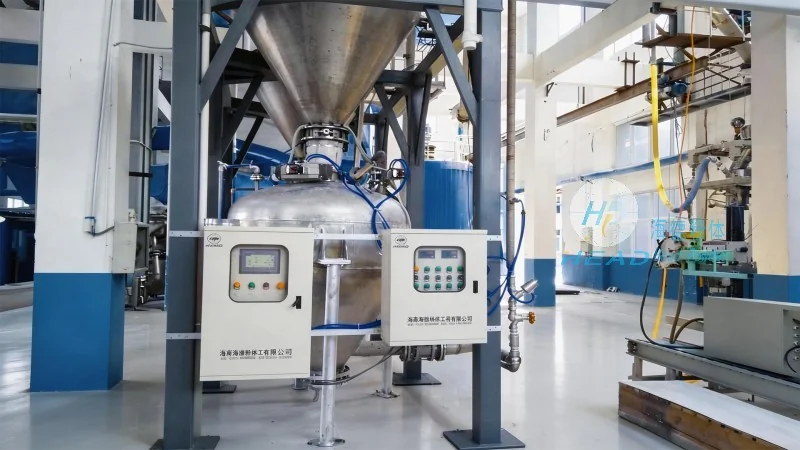
The working principle of synthetic fiber material handling equipment is based on the principles of material flow and mechanical transport. The equipment uses a combination of gravity, mechanical force, and sometimes pneumatic pressure to move the synthetic fibers from one location to another. The feed hopper provides the initial storage and feeding action, allowing the fibers to fall or slide into the conveyor system. The conveyor system then uses rollers, belts, or screws to move the fibers along the desired path. The control panel ensures that the equipment operates within safe and efficient parameters, adjusting the speed and direction of the conveyor as required. The discharge mechanism collects the fibers at the end of the conveyor and may include features such as a collection bin or a discharge chute to direct the material to its final destination.
Using synthetic fiber material handling equipment offers several advantages in industrial settings. Firstly, it enhances operational efficiency by automating the material transport process, reducing the need for manual labor and minimizing the risk of human error. Secondly, the equipment ensures consistent and uniform material flow, which is crucial for maintaining product quality and reducing waste. Thirdly, the advanced control systems allow for precise monitoring and adjustment, enabling operators to optimize the equipment's performance based on real-time data. Additionally, the equipment is designed to handle various types of synthetic fibers, including polyester, nylon, and acrylic, making it versatile for different applications.
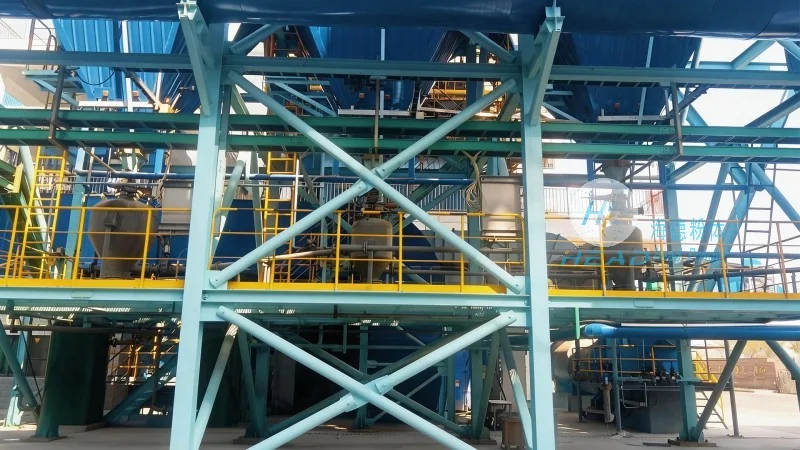
Synthetic fiber material handling equipment is widely used in various industries, including textile manufacturing, chemical processing, and packaging. In textile manufacturing, the equipment is used to transport raw synthetic fibers to spinning machines, ensuring a continuous supply of material. In chemical processing, it helps in the handling of synthetic fibers used in filtration and insulation applications. In packaging, the equipment is used to transport fibers for the production of non-woven fabrics and other composite materials. The versatility of our equipment makes it suitable for a wide range of industrial applications, providing reliable and efficient material handling solutions.

 Shandong Headpowder Engineering Co., Ltd.
 156-6277-7102(Manager Zhang)
  0531-83386006
  Zhangqiu District, Jinan City, Shandong Province, China
telephone
WeChatconsult
top