With more than 10‑year industry experience, Shandong Headpowder delivers full‑service pneumatic‑conveying systems and blowers, undertaking nationwide turn‑key powder‑handling projects.
Dust ash material conveying lines are critical components in industrial waste management and material handling systems. These systems are designed to efficiently transport dust ash, a byproduct often generated from industrial processes such as power generation, cement production, and metal smelting. The effective operation of these lines ensures compliance with environmental regulations, optimizes material flow, and reduces operational costs. In this article, we will explore the operation process and working principle of dust ash material conveying lines, highlighting the key components, operational steps, and the role of advanced engineering solutions provided by Shandong HeadPowder Engineering Co., Ltd.
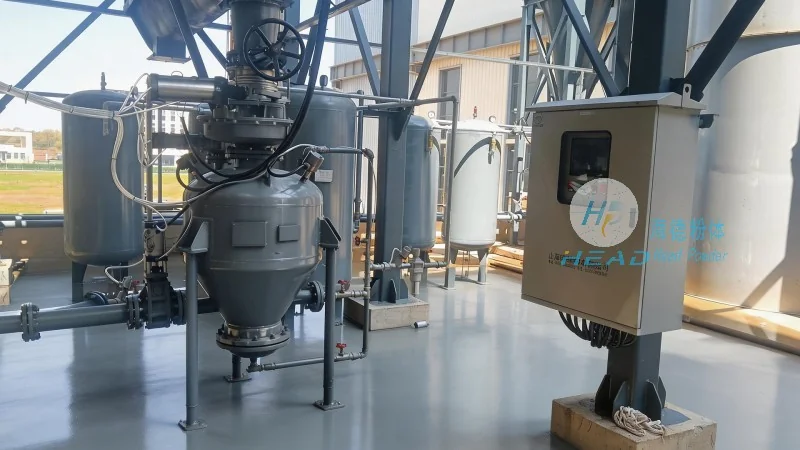
Shandong HeadPowder Engineering Co., Ltd., commonly known as headpowder, is a leading manufacturer and supplier of industrial material handling equipment. With a strong presence in China, particularly in Shandong province, the company specializes in designing, manufacturing, and installing dust ash material conveying systems tailored to the specific needs of various industrial sectors. headpowder's expertise lies in integrating advanced technology with robust engineering to deliver reliable, efficient, and cost-effective solutions for dust ash management. The company's commitment to quality and customer satisfaction has established it as a trusted partner in the industry.
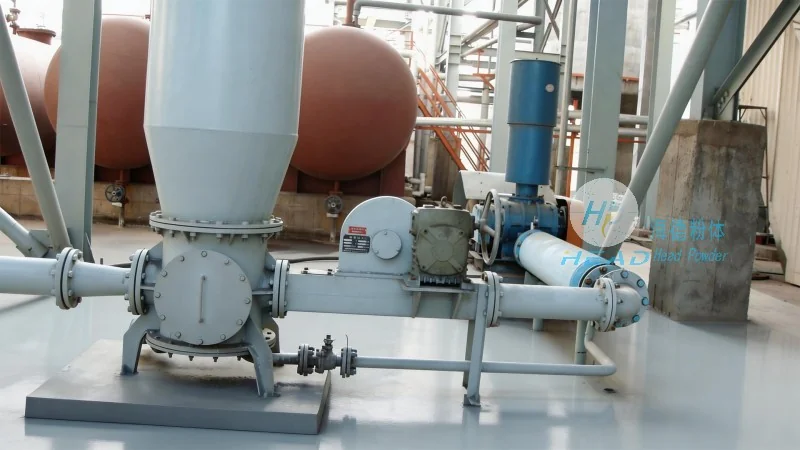
The operation of dust ash material conveying lines relies on a series of interconnected components that work in harmony to ensure smooth material transport. The primary components include: feed hoppers, which collect and store the dust ash; conveyor belts or screw conveyors, which move the material along the line; dust collection systems, such as bag filters or electrostatic precipitators, to control airborne particles; and control panels, which monitor and regulate the system's operation. Each component plays a crucial role in maintaining the efficiency and safety of the conveying process.
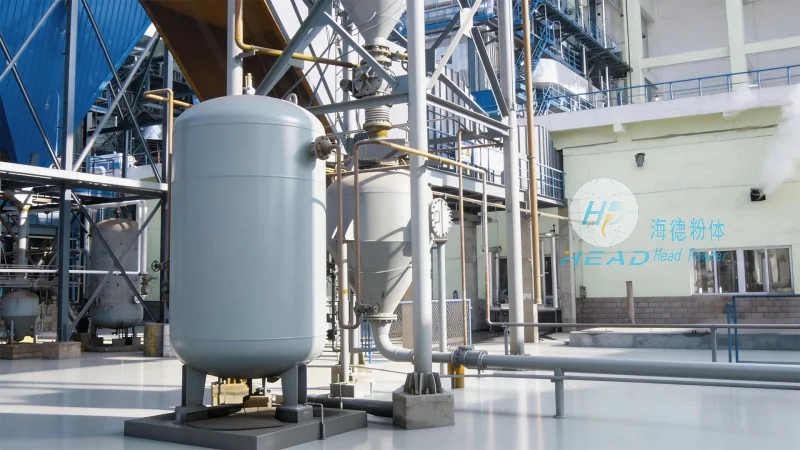
The operation of a dust ash material conveying line typically follows a systematic sequence of steps. First, the dust ash is collected in the feed hopper, where it is stored until it is ready to be transported. The material is then fed into the conveyor system, which may use a belt conveyor or a screw conveyor depending on the application. The conveyor moves the dust ash from the feed point to the discharge point, where it is either deposited into a storage silo or transferred to a processing unit. Throughout the process, the dust collection system continuously removes airborne particles, ensuring that the environment remains clean and safe. The control panel monitors key parameters such as material flow rate, pressure, and temperature, and adjusts the system as needed to maintain optimal performance. This automated process minimizes human intervention, reduces labor costs, and enhances the overall efficiency of the operation.
The working principle of dust ash material conveying lines is based on mechanical energy transfer and material handling technology. The system operates by using a conveyor mechanism to move the dust ash from the source to the destination. For belt conveyors, a motor drives a pulley system that moves the belt, which carries the material along its surface. The material is loaded onto the belt at the feed hopper and travels to the discharge point due to the belt's continuous motion. Screw conveyors, on the other hand, use a rotating screw to push the material forward through a cylindrical tube. The screw's rotation creates a pressure gradient that propels the material along the conveyor. The dust collection system works by capturing airborne particles using filters or electrostatic plates, which trap the dust and prevent it from being released into the atmosphere. This combination of mechanical transport and dust control ensures that the conveying line operates efficiently and safely.
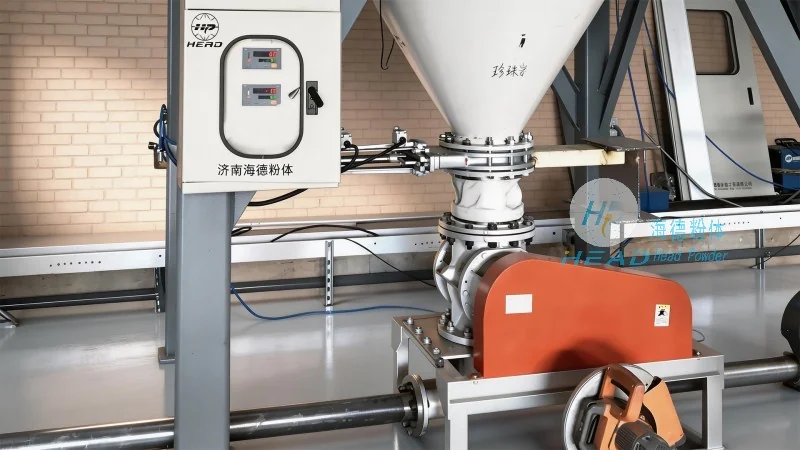
Implementing dust ash material conveying lines offers several advantages for industrial operations. Firstly, these systems enhance environmental compliance by effectively controlling dust emissions, reducing the risk of air pollution and health hazards. Secondly, they improve operational efficiency by automating the material transport process, reducing downtime and labor costs. Thirdly, the systems are designed for durability and reliability, with components that can withstand harsh industrial conditions. Additionally, the modular design of these lines allows for easy expansion or modification to accommodate changing production needs. Overall, dust ash material conveying lines provide a cost-effective and sustainable solution for managing dust ash byproducts in industrial settings.

 Shandong Headpowder Engineering Co., Ltd.
 156-6277-7102(Manager Zhang)
  0531-83386006
  Zhangqiu District, Jinan City, Shandong Province, China
telephone
WeChatconsult
top