With more than 10‑year industry experience, Shandong Headpowder delivers full‑service pneumatic‑conveying systems and blowers, undertaking nationwide turn‑key powder‑handling projects.
Loess material handling systems are critical in various industrial and construction applications, particularly where the transportation of loess-based materials is required. Understanding the working principle and key features of such systems is essential for optimizing operational efficiency and ensuring reliable material transport. This article provides an in-depth look at the mechanisms behind these systems, highlighting their design, functionality, and advantages.
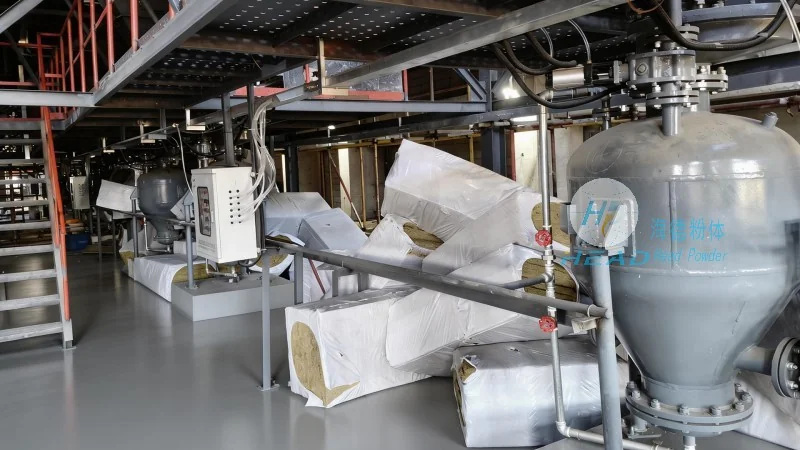
At the heart of loess material handling systems lies a sophisticated mechanism designed to efficiently move loess materials from one location to another. These systems typically operate on principles of gravity, mechanical force, or a combination of both, tailored to the specific characteristics of loess, such as its fine particle size and cohesive properties. The working principle involves several key components working in tandem to ensure smooth material flow.
First, the system begins with a feeding mechanism that collects and prepares the loess material for transport. This may involve a hopper or a conveyor belt that feeds the material into the primary transport channel. The design of the feeding system is crucial to prevent material buildup and ensure a consistent flow rate, which directly impacts the overall efficiency of the system. For loess, which can be prone to caking or bridging, specialized feeding mechanisms like rotary feeders or vibratory feeders are often employed to maintain a uniform feed.
Next, the material is conveyed through a transport channel, which can be a belt conveyor, a screw conveyor, or a pneumatic conveyor, depending on the system design. Belt conveyors are commonly used for horizontal or slightly inclined transport due to their ability to handle large volumes of material with minimal friction. Screw conveyors, on the other hand, are ideal for vertical or inclined transport, as they use a rotating screw to push the material forward. Pneumatic conveyors utilize air pressure to move the material through a pipeline, which is particularly effective for fine, dust-like loess particles.
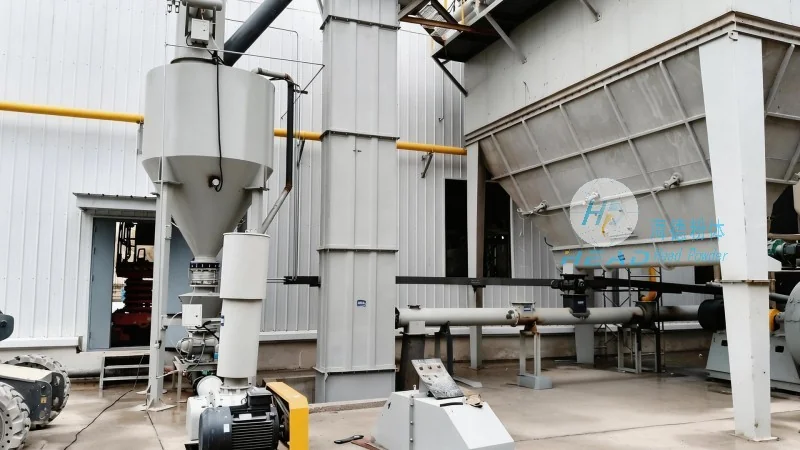
The transport channel is engineered to minimize material degradation and ensure consistent speed. For loess, which is sensitive to moisture and compaction, the channel is often lined with materials that reduce friction and prevent material sticking. Additionally, the system may include components like idlers or rollers to support the conveyor belt or screw, ensuring smooth operation and preventing damage to the material.
Loess material handling systems are characterized by several features that enhance their performance and adaptability. These features are designed to address the unique challenges posed by loess, such as its fine texture, cohesive nature, and susceptibility to caking. Understanding these features is vital for selecting the right system for specific applications.
One of the primary features is the adjustable speed control, which allows operators to modify the transport speed based on the material's characteristics and the system's load. This flexibility is crucial for maintaining optimal flow rates and preventing material blockages. For instance, in systems handling loess with high moisture content, slower speeds may be required to prevent the material from becoming too compacted or bridging in the channel.
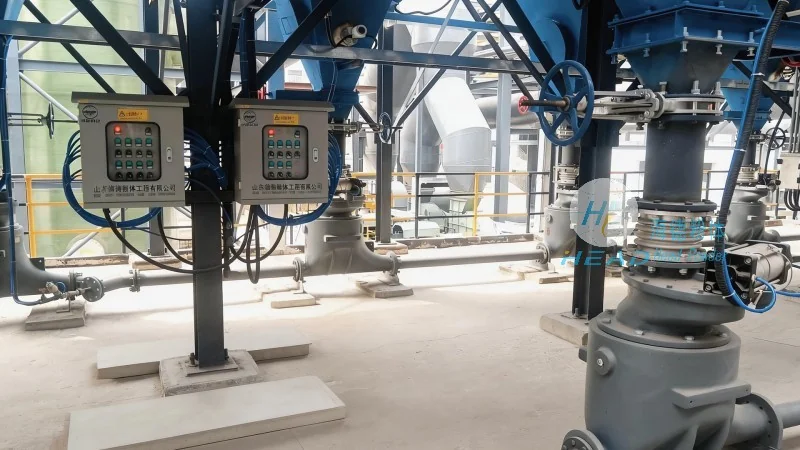
Another important feature is the inclusion of cleaning and maintenance mechanisms. Loess can accumulate on the conveyor belts or screw surfaces, leading to reduced efficiency and potential system failure. Systems often incorporate self-cleaning mechanisms, such as brush cleaners or scrapers, to remove excess material and maintain consistent performance. Regular maintenance intervals are also recommended to ensure the longevity of the system components.
Furthermore, loess material handling systems may include monitoring and control systems that provide real-time data on the system's performance. These systems can track parameters like material flow rate, temperature, and pressure, allowing operators to detect potential issues early and take corrective action. Advanced systems may even use sensors to detect blockages or changes in material properties, triggering automatic adjustments to maintain optimal operation.
Implementing loess material handling systems offers several advantages that contribute to improved operational efficiency and cost savings. These systems are designed to handle the unique challenges of loess, making them a reliable choice for industries that rely on this material. The key advantages include enhanced material handling efficiency, reduced labor costs, and improved safety.
Enhanced material handling efficiency is a significant benefit, as these systems can transport loess materials over long distances with minimal loss or degradation. The consistent flow rates and adjustable speed controls ensure that the material is moved at the optimal rate, reducing downtime and increasing overall productivity. For example, in construction projects where large volumes of loess are needed for earthworks or soil stabilization, these systems can significantly reduce the time required for material transport.
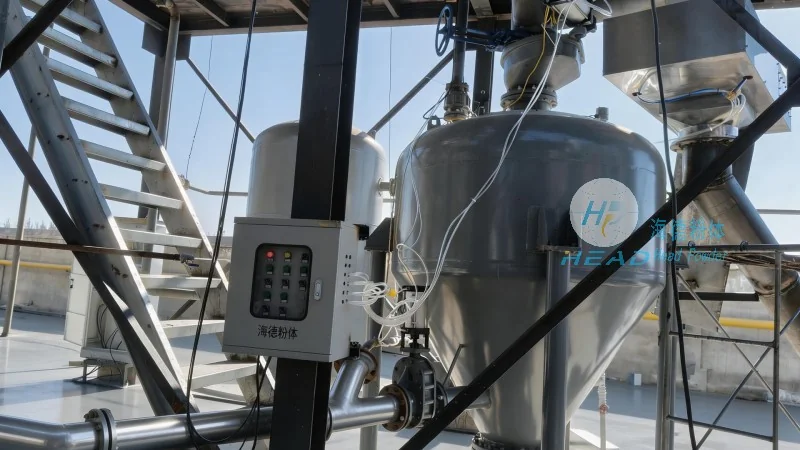
Reduced labor costs are another advantage, as automated systems minimize the need for manual handling of loess materials. Manual handling of loess can be challenging due to its fine texture and cohesive properties, leading to increased labor costs and potential health risks. Loess material handling systems automate the transport process, reducing the need for manual labor and associated costs. This not only saves money but also improves workplace safety by minimizing the risk of accidents related to manual material handling.
Improved safety is a critical advantage, as these systems eliminate the need for workers to handle large quantities of loess manually. Loess can cause respiratory issues and skin irritation if not handled properly, and manual handling increases the risk of injuries such as cuts or strains. Automated material handling systems reduce these risks by keeping workers at a safe distance from the material and the transport equipment. Additionally, the systems are designed with safety features like emergency stop buttons and protective guards to prevent accidents and ensure a safe working environment.
Loess material handling systems are essential tools for industries that rely on the efficient transport of loess materials. By understanding the working principle and key features of these systems, businesses can optimize their operations and achieve significant benefits. The adjustable speed controls, cleaning mechanisms, and monitoring systems make these systems versatile and reliable, capable of handling the unique challenges of loess. As a leading provider of engineering solutions, Shandong HeadPowder Engineering Co., Ltd. specializes in designing and manufacturing high-quality loess material handling systems tailored to the specific needs of their clients. With a focus on efficiency, safety, and durability, HeadPowder delivers systems that enhance operational performance and contribute to the success of their clients' projects.

 Shandong Headpowder Engineering Co., Ltd.
 156-6277-7102(Manager Zhang)
  0531-83386006
  Zhangqiu District, Jinan City, Shandong Province, China
telephone
WeChatconsult
top