

What is a Wheat Starch Material Pneumatic Conveying Machine? And What Are Its Design Principles?
Wheat starch is a critical ingredient in numerous food and industrial applications, and the efficient handling of this material is essential for maintaining product quality and operational efficiency. A pneumatic conveying machine, specifically engineered for wheat starch, plays a vital role in transporting this fine powder from one location to another within a processing facility. This article explores what a wheat starch material pneumatic conveying machine is and delves into its fundamental design principles.
Understanding the Wheat Starch Material Pneumatic Conveying Machine
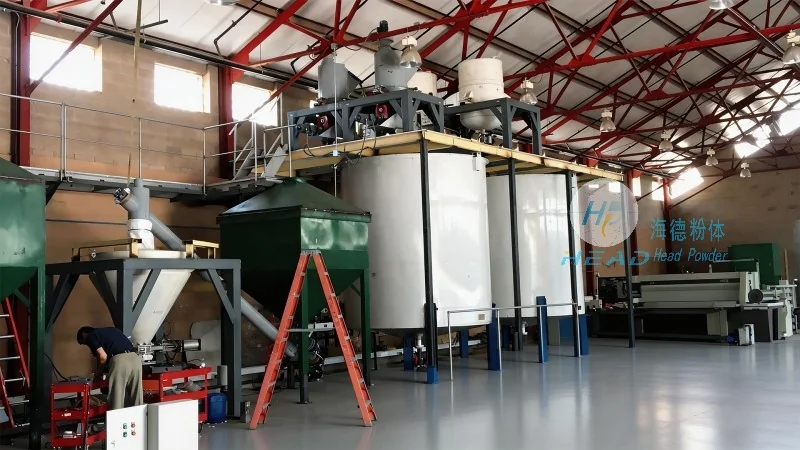
At its core, a wheat starch material pneumatic conveying machine is a system that uses compressed air or other gases to transport dry, powdery materials like wheat starch through a pipeline. Unlike traditional mechanical conveyors, which rely on belts or screws, pneumatic systems utilize air pressure to move the material, making them ideal for handling delicate or sensitive powders that could be damaged by mechanical contact. The machine typically consists of a hopper to store the wheat starch, a compressor to generate the air flow, and a pipeline network that directs the material to its destination, such as a storage silo or processing unit.
Key Components of the Pneumatic Conveying System
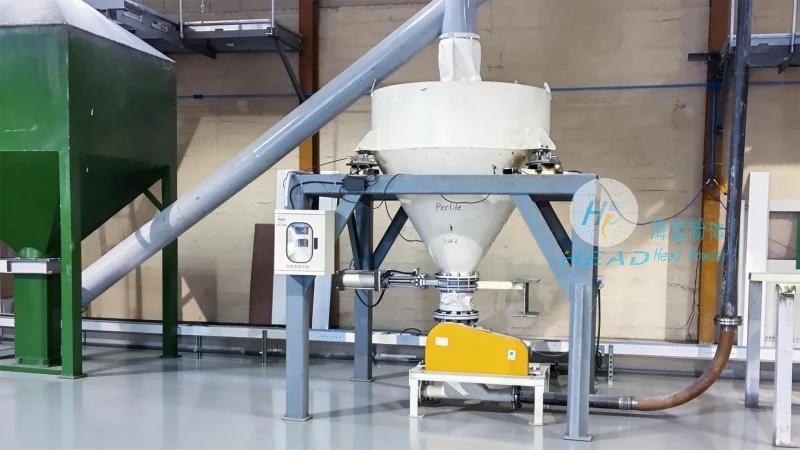
The effectiveness of a wheat starch material pneumatic conveying machine depends on several key components that work in harmony to ensure smooth operation. The first component is the material hopper, which is designed to hold a large quantity of wheat starch and feed it into the system at a controlled rate. This hopper often includes a discharge valve or gate to regulate the flow of material, preventing overloading or clogging. The second critical component is the air compressor, which generates the necessary pressure to move the wheat starch through the pipeline. The compressor’s capacity and pressure must be matched to the system’s requirements to avoid underperformance or excessive energy consumption. The third key element is the pipeline itself, which is usually made of materials like stainless steel or plastic to prevent contamination and ensure durability. The pipeline may include bends, elbows, or other fittings to direct the material to the desired location, and these components are designed to minimize pressure loss and maintain the flow of the wheat starch.
Design Principles for Efficient Wheat Starch Handling
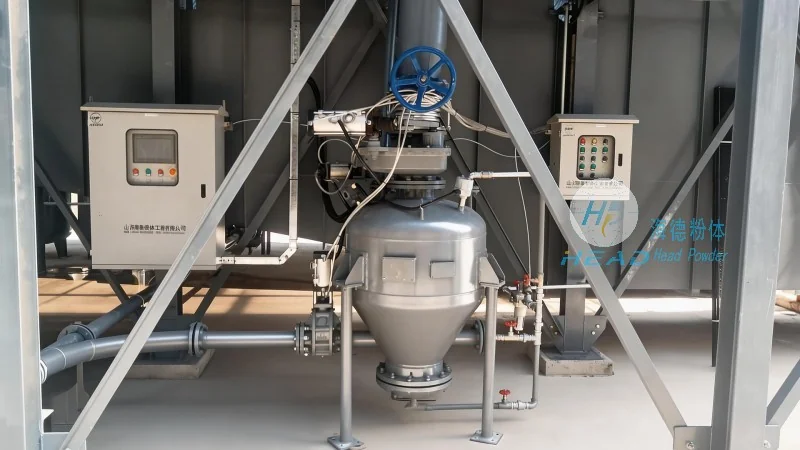
The design of a wheat starch material pneumatic conveying machine is guided by several principles aimed at optimizing performance, minimizing material degradation, and ensuring safety. One of the primary design principles is the use of low-velocity conveying, which involves moving the wheat starch at a relatively slow speed to prevent particle breakage or agglomeration. This approach is particularly important for wheat starch, as it is a fine powder that can easily clump together if subjected to high air velocities. Another key principle is the incorporation of a positive displacement or pressure-assisted system, which maintains a consistent pressure within the pipeline to ensure reliable material transport. This design helps to prevent backflow or clogging, which can occur in suction-based systems. Additionally, the system is often equipped with a filter or separator to remove any moisture or debris from the air, as this can affect the quality of the wheat starch and the efficiency of the conveying process. The design also considers the need for easy maintenance and cleaning, as the system may need to be cleaned regularly to prevent the buildup of material residue or contamination.
Advantages of Using a Wheat Starch Material Pneumatic Conveying Machine
Implementing a pneumatic conveying system for wheat starch offers several advantages over traditional mechanical methods. First, it provides a clean and hygienic method of transporting the material, as the system is enclosed and prevents contamination from external sources. This is particularly important in food processing applications, where product purity is a top priority. Second, pneumatic systems are highly flexible, as they can be easily reconfigured to accommodate changes in production processes or facility layouts. The pipeline network can be extended or modified without major structural changes, making it a cost-effective solution for evolving operations. Third, these systems are energy-efficient compared to some mechanical conveyors, as they use compressed air to move the material rather than relying on moving parts that generate friction and heat. This results in lower energy consumption and reduced operating costs over time. Finally, pneumatic conveying machines are capable of handling large volumes of wheat starch quickly and reliably, which helps to improve overall production throughput and reduce downtime.
Applications in the Wheat Starch Industry
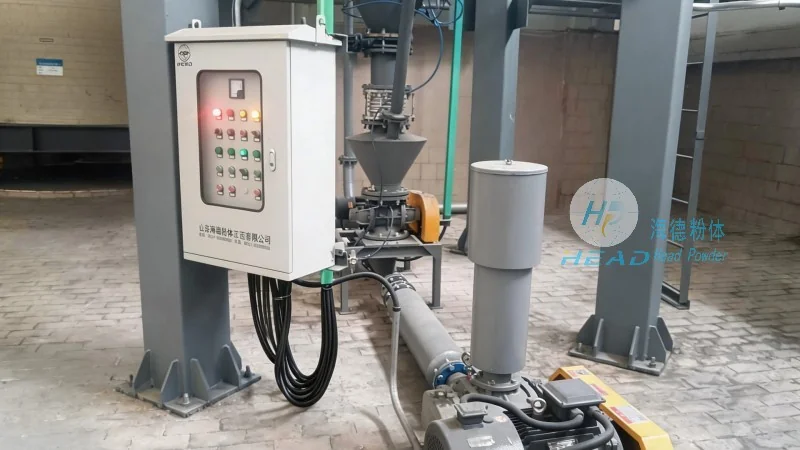
Wheat starch material pneumatic conveying machines are widely used in various applications within the wheat starch industry. In food processing facilities, they are commonly employed to transport wheat starch from storage silos to processing lines, such as for making starch-based products like noodles, pastas, or adhesives. In industrial settings, these machines are used to move wheat starch to manufacturing units that produce paper, textiles, or other starch-based materials. The system’s ability to handle fine powders without damaging the material makes it suitable for applications where product quality is critical. Additionally, the system can be integrated with other processing equipment, such as mixers or dryers, to create a seamless workflow that enhances operational efficiency.