

What is a Biomass Powder Material Pneumatic Conveying Machine? And What Are Its Design Principles?
Biomass powder material pneumatic conveying machines are specialized equipment designed to transport fine powder materials, such as biomass powders, through a pipeline using compressed air or other gas streams. These machines are widely used in various industries, including biomass energy, food processing, and chemical manufacturing, where the efficient and dust-free transfer of powders is crucial. The core function of these systems is to move bulk powder from a source to a destination without the need for mechanical components like belts or buckets, relying instead on the force of gas to propel the material through the system.
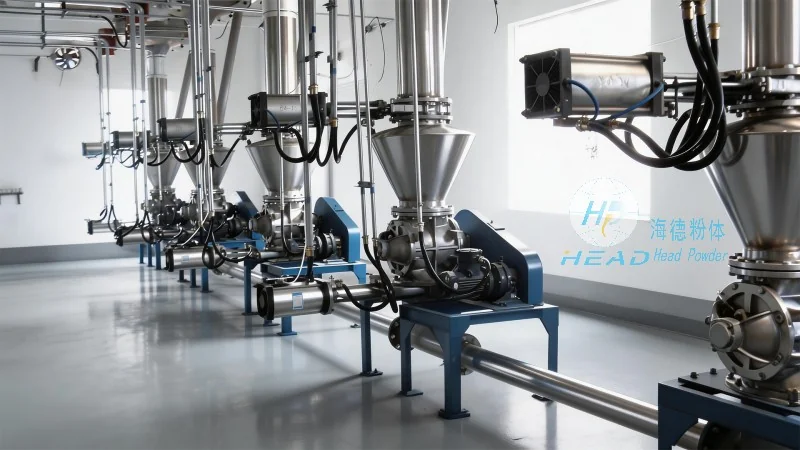
Key Components and Working Principle of Pneumatic Conveying Systems
The design of a biomass powder material pneumatic conveying machine typically involves several key components that work in concert to achieve efficient material transport. The primary components include a hopper for material storage, a blower or compressor to generate the necessary air pressure, a pipeline system to guide the material, and a receiver or discharge unit to collect the transported powder. The working principle is based on the Venturi effect or positive pressure conveying, where compressed air is introduced into the pipeline, creating a low-pressure zone that draws the powder particles into the air stream. As the air and powder mixture moves through the pipeline, the powder is suspended and transported to the destination. The design must consider factors such as the particle size, density, and moisture content of the biomass powder, as well as the required conveying distance and flow rate, to ensure optimal performance and minimal material degradation.
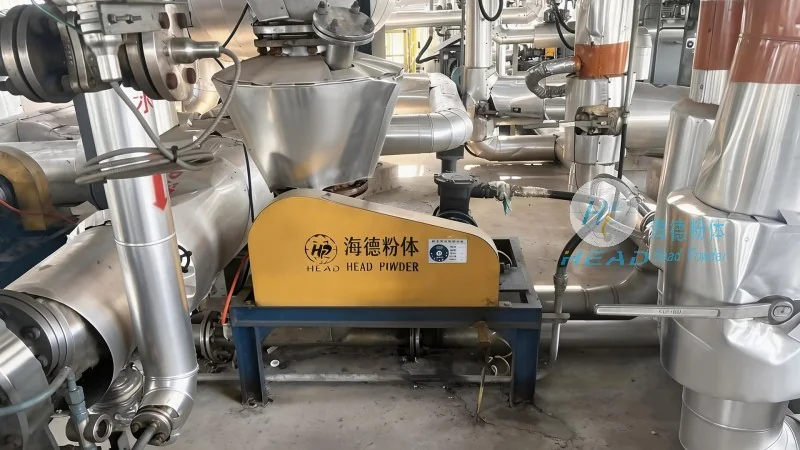
Design Principles for Efficient Biomass Powder Transport
Designing an effective pneumatic conveying system for biomass powders requires careful consideration of several design principles to maximize efficiency, minimize energy consumption, and prevent material degradation. One of the critical design principles is the selection of the appropriate conveying method, either positive pressure or negative pressure, based on the specific application and material characteristics. Positive pressure systems, where air is blown into the pipeline, are commonly used for long-distance or high-volume conveying, while negative pressure systems, where air is drawn out of the pipeline, are suitable for short-distance or low-volume applications. Another key principle is the selection of the right pipeline diameter and length, as these factors directly impact the pressure drop and energy consumption. The pipeline must be designed to minimize friction losses and maintain a consistent air velocity to prevent particle deposition or blockages. Additionally, the inclusion of features such as cyclones, filters, and pressure relief valves is essential to ensure the system operates safely and efficiently, preventing dust emissions and maintaining material quality.
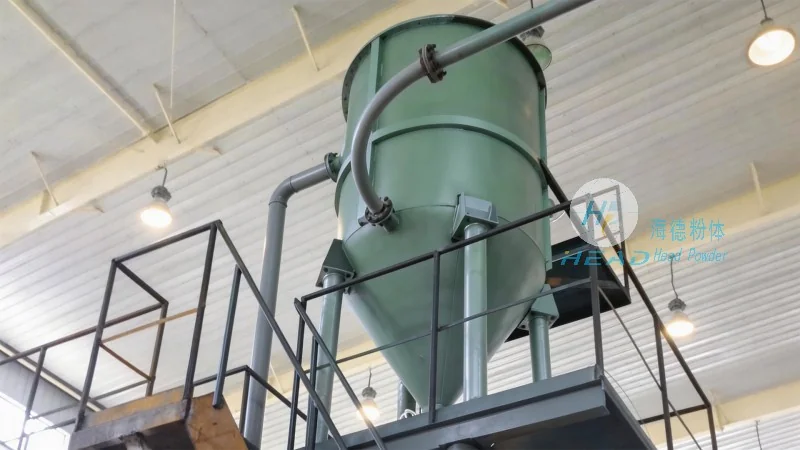
About HeadPowder: Leading Provider of Pneumatic Conveying Solutions
HeadPowder, or Shandong HeadPowder Engineering Co., Ltd., is a leading manufacturer and supplier of advanced pneumatic conveying equipment for biomass and other fine powder materials. HeadPowder is headquartered in Shandong, China, and has established itself as a trusted partner in the industry, providing high-quality, customized solutions tailored to the specific needs of its clients. The company's expertise lies in the design and manufacturing of biomass powder material pneumatic conveying machines that meet the most stringent standards for efficiency, reliability, and durability. HeadPowder's products are engineered to handle a wide range of biomass powders, including wood chips, agricultural residues, and other organic materials, ensuring optimal performance in various applications. The company's commitment to quality and customer service has earned it a reputation for excellence in the market, making it the preferred choice for businesses seeking reliable and efficient pneumatic conveying solutions.
Applications and Benefits of Biomass Powder Pneumatic Conveying Machines
Biomass powder material pneumatic conveying machines find extensive applications in the biomass energy sector, where they are used to transport raw materials to biomass power plants and processing facilities. In the food processing industry, these machines are employed to transfer fine powders like flour, sugar, and spices, ensuring a clean and hygienic transfer process. The chemical manufacturing industry also utilizes pneumatic conveying systems to transport various powders, including catalysts and additives, to production lines. The benefits of using pneumatic conveying systems for biomass powders are numerous. Firstly, they offer a dust-free and hygienic transfer process, which is essential in industries where dust control is critical. Secondly, these systems provide high efficiency and reliability, with minimal downtime and maintenance requirements. Thirdly, pneumatic conveying machines can handle a wide range of material types and particle sizes, making them versatile and adaptable to different applications. Finally, these systems are energy-efficient, with lower operating costs compared to traditional mechanical conveying methods, making them an environmentally friendly and cost-effective solution for biomass powder transport.
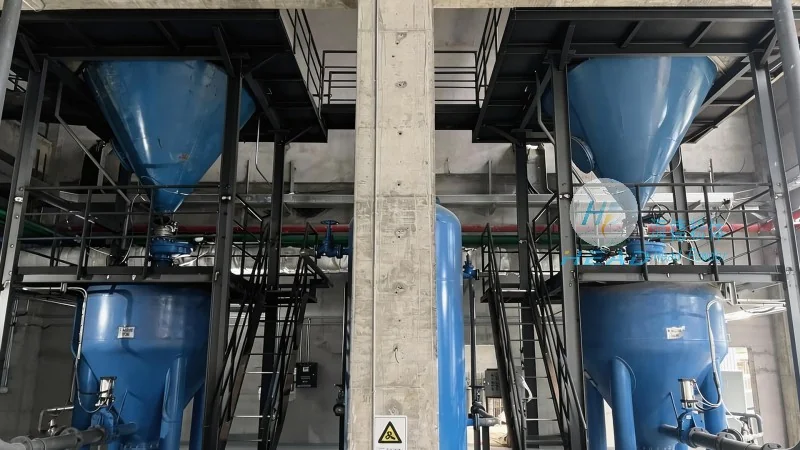
Conclusion: The Future of Biomass Powder Transport with Pneumatic Conveying
In conclusion, biomass powder material pneumatic conveying machines are essential equipment for the efficient and sustainable transport of biomass powders in various industries. The design principles and components of these systems are carefully engineered to ensure optimal performance, reliability, and minimal material degradation. With the growing emphasis on renewable energy and sustainable practices, the demand for efficient biomass processing equipment is on the rise, and pneumatic conveying systems play a crucial role in meeting this demand. Companies like Shandong HeadPowder Engineering Co., Ltd. continue to innovate and provide advanced solutions that address the evolving needs of the industry, ensuring that biomass powders are transported safely, efficiently, and sustainably. As the industry advances, the importance of reliable and efficient pneumatic conveying systems will only increase, making them a vital component of the biomass processing and energy sector.