

What is a PVC Material Pneumatic Conveying System? And What Are Its Design Principles?
Welcome to HeadPowder, a leading engineering company based in Shandong, China. Our focus is on providing innovative solutions for material handling, particularly in the realm of pneumatic conveying systems for PVC materials. This article aims to explain what a PVC material pneumatic conveying system is and delve into its core design principles, offering insights into how such systems operate and why they are essential in industrial applications.
Understanding the PVC Material Pneumatic Conveying System
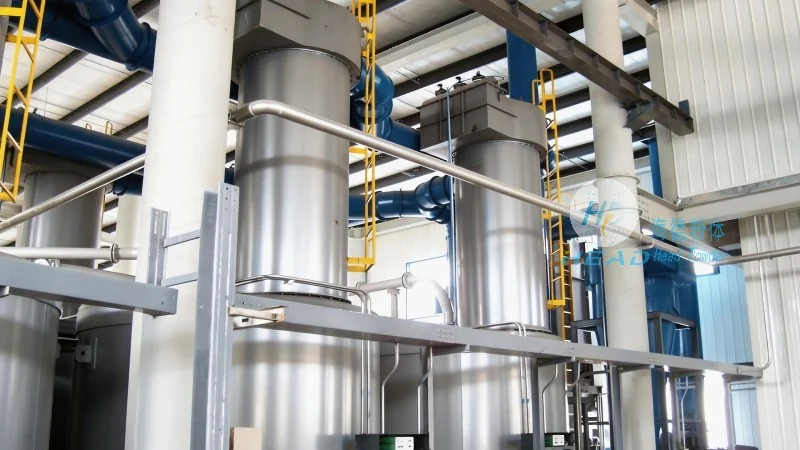
A PVC material pneumatic conveying system is a method of transporting plastic particles, specifically polyvinyl chloride (PVC), through a pipeline using a combination of air or gas and pressure. This technology is widely used in the plastics industry due to its efficiency in moving bulk materials without the need for mechanical components like belts or chains. The system typically consists of a hopper for material storage, a conveyor line with a series of pipes, and a blower or compressor to generate the necessary airflow. The PVC particles are fed into the system, where they are entrained by the moving air and transported to the desired destination, such as a processing unit or storage silo.
Key Components of the Pneumatic Conveying System
The design of a PVC material pneumatic conveying system involves several critical components that work in tandem to ensure smooth operation. These components include:
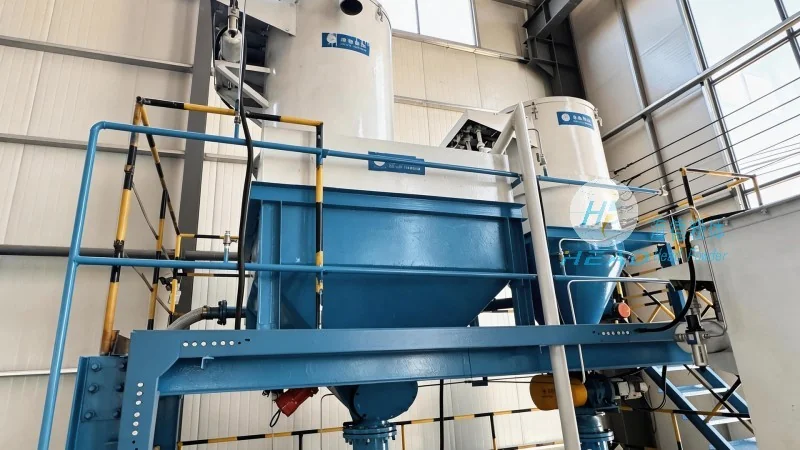
- Material Hopper: A container that holds the PVC material, equipped with a feeder to control the flow rate of the particles into the system.
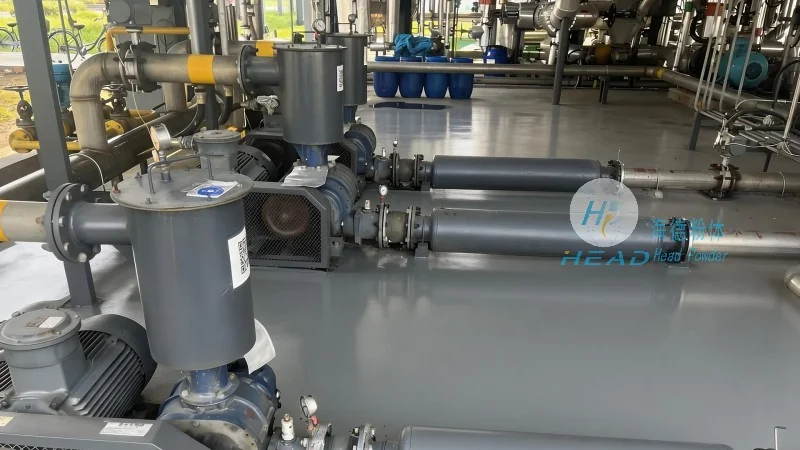
- Conveying Pipeline: A network of pipes that transport the PVC particles along the desired path. The pipeline is often made of materials resistant to PVC and its additives, such as stainless steel or specialized plastics.
- Air Compressor or Blower: The power source that generates the airflow needed to move the PVC particles. The choice between a compressor and a blower depends on the system's pressure requirements and the distance the material needs to travel.
- Filter and Cyclone Separator: These components are essential for cleaning the air after it has passed through the conveying line. The separator removes the PVC particles from the air, allowing the clean air to be recirculated or vented, while the collected material is returned to the system or processed further.
- Control System: An automated system that monitors and regulates the operation of the conveying process. This includes sensors for pressure, flow rate, and material level, as well as control valves and actuators to adjust the system's performance as needed.
Design Principles for Efficient PVC Material Handling
The design principles of a PVC material pneumatic conveying system are centered on optimizing the balance between air velocity, pressure, and material characteristics to achieve efficient and reliable transport. Several key principles guide the engineering of such systems:
1. Air Velocity and Particle Size: The air velocity within the pipeline must be sufficient to entrain the PVC particles but not so high as to cause excessive wear on the system components or degrade the material. The velocity is typically determined by the size and density of the PVC particles. For smaller particles, higher velocities may be required to maintain suspension, while larger particles may need lower velocities to avoid blockages.
2. Pressure and System Layout: The system's pressure is a critical factor, as it determines the distance the material can be conveyed and the overall energy consumption. The layout of the pipeline, including vertical and horizontal sections, affects the pressure drop and the need for additional boosters or vacuum systems. Proper design ensures that the pressure is maintained throughout the conveying line, preventing material deposition or blockages.
3. Material Properties and Additives: PVC materials often contain additives such as plasticizers, stabilizers, and colorants, which can affect the system's performance. The design must consider the potential for these additives to affect the air flow or the wear on components. For example, some additives may be more abrasive, requiring more durable materials for the pipeline and components.
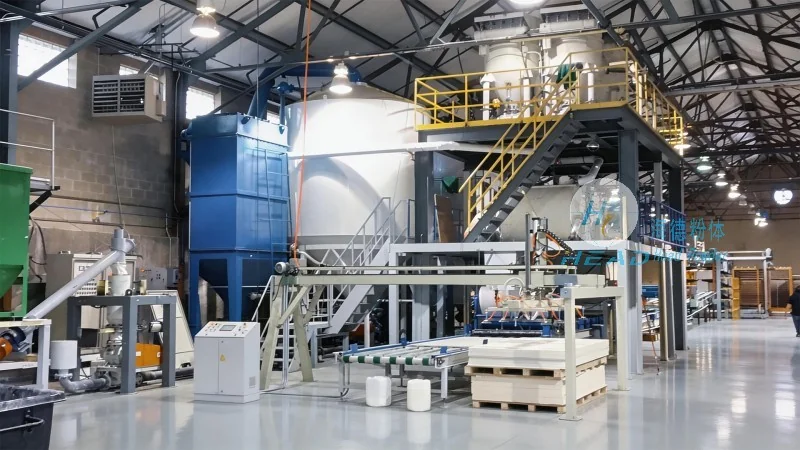
4. System Integration and Scalability: A well-designed pneumatic conveying system is integrated with other processes in the plant, such as mixing, extrusion, or molding. The system must be scalable to accommodate changes in production volume or material types. This involves designing modular components that can be easily expanded or modified to meet future needs.
Benefits of Using a PVC Material Pneumatic Conveying System
Implementing a PVC material pneumatic conveying system offers several advantages for industrial operations. These benefits include:
- Increased Efficiency: The system allows for continuous, automated material transport, reducing labor costs and improving production throughput.
- Reduced Downtime: By eliminating the need for manual handling and mechanical components, the system minimizes the risk of equipment failure and maintenance downtime.
- Improved Product Quality: The enclosed system prevents contamination from dust, moisture, or other environmental factors, ensuring that the PVC material remains in its optimal condition for processing.
- Space Efficiency: Pneumatic conveying systems can be designed to fit into tight spaces, making them suitable for facilities with limited floor area.
- Environmental Benefits: The system reduces the need for manual handling, which can lead to lower emissions and a smaller environmental footprint.
Conclusion
A PVC material pneumatic conveying system is a sophisticated and efficient solution for handling polyvinyl chloride materials in industrial settings. By understanding the design principles and key components, manufacturers can select and implement a system that meets their specific needs, ensuring reliable and cost-effective material transport. HeadPowder, with its expertise in engineering and material handling solutions, is committed to providing high-quality pneumatic conveying systems that enhance the productivity and efficiency of industrial operations.