

What is a Coal Ash Material Pneumatic Conveying System? And What Are Its Design Principles?
Coal ash, a byproduct of coal combustion in power plants, poses significant challenges for handling and transportation due to its fine particle size, abrasive nature, and potential environmental hazards. Traditional methods like belt conveyors or trucks may struggle with the dust generation and material degradation associated with coal ash. To address these issues, pneumatic conveying systems have emerged as a reliable and efficient solution for transporting coal ash from storage facilities to disposal sites or processing units. This article explores the fundamental concepts of coal ash material pneumatic conveying systems and delves into the key design principles that ensure their optimal performance.
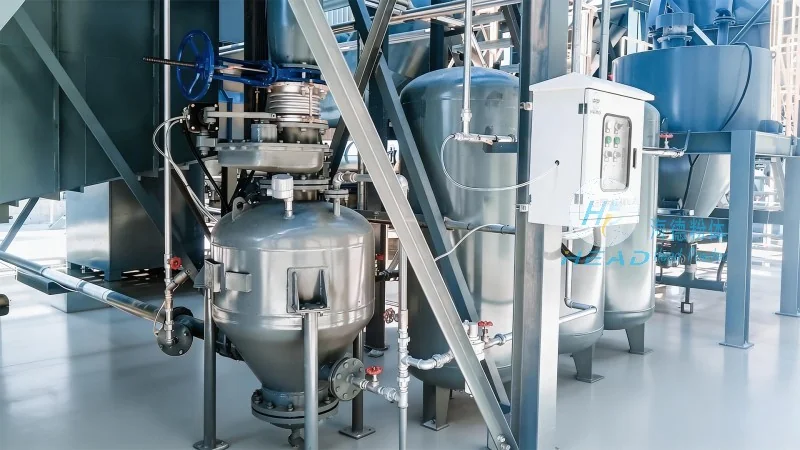
Components of a Coal Ash Pneumatic Conveying System
A typical coal ash pneumatic conveying system consists of several critical components that work in tandem to transport the material. The primary components include a hopper or feeder for material loading, a conveying line (often equipped with bends and elbows), a vacuum or pressure source (such as a blower or compressor), and a receiver or discharge unit. The hopper is designed to store and feed the coal ash at a controlled rate, preventing blockages and ensuring a steady flow. The conveying line is usually made of corrosion-resistant materials like stainless steel or polyethylene to withstand the abrasive nature of coal ash particles. The vacuum or pressure source provides the necessary airflow to move the material through the system. Finally, the receiver collects the coal ash at the destination, completing the transportation process.
Design Principles for Coal Ash Pneumatic Conveying
The design of a coal ash pneumatic conveying system is governed by several key principles aimed at maximizing efficiency, minimizing wear, and ensuring safe operation. One of the most critical principles is the selection of the appropriate conveying method—either vacuum or pressure. Vacuum systems are commonly used for short-distance transport or when the material needs to be drawn from a lower elevation, while pressure systems are preferred for longer distances or when the material must be pushed to a higher elevation. The choice of method influences the system's pressure requirements, power consumption, and overall cost.
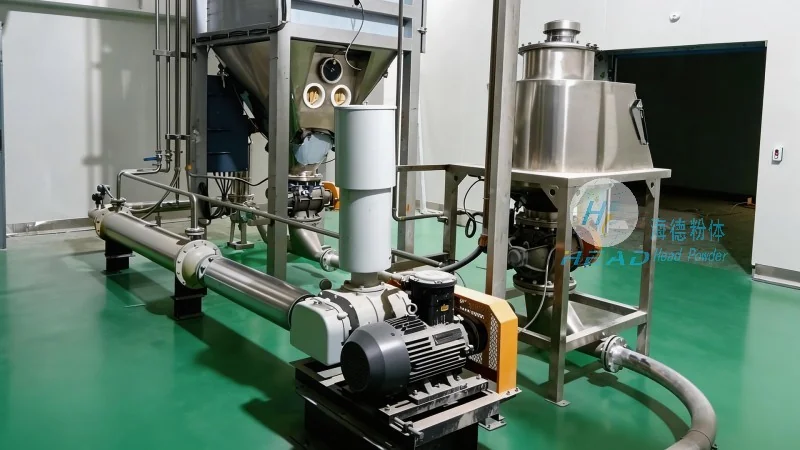
Another crucial design principle is the calculation of the required airflow rate. This is determined by the material's bulk density, particle size distribution, and the system's layout. The airflow must be sufficient to lift and transport the coal ash particles without causing excessive pressure drops or particle separation. Engineers typically use empirical formulas or computational fluid dynamics (CFD) simulations to optimize the airflow rate and ensure that the system operates within its design limits. Additionally, the system's components must be sized to handle the expected material flow rate, preventing overloading or underloading that could lead to performance issues.
Material selection is also a critical design consideration. The conveying line, hopper, and other components must be made of materials that resist corrosion and abrasion from coal ash. Stainless steel is a common choice for its durability and resistance to chemical attack, while polyethylene or other plastic materials may be used for less abrasive applications. The hopper and feeder are often equipped with wear-resistant liners or coatings to extend their service life and reduce maintenance costs. Proper sealing of the system is essential to prevent dust leakage and maintain a safe working environment, which is particularly important for coal ash, a material that can be hazardous if inhaled.
Advantages of Coal Ash Pneumatic Conveying Systems
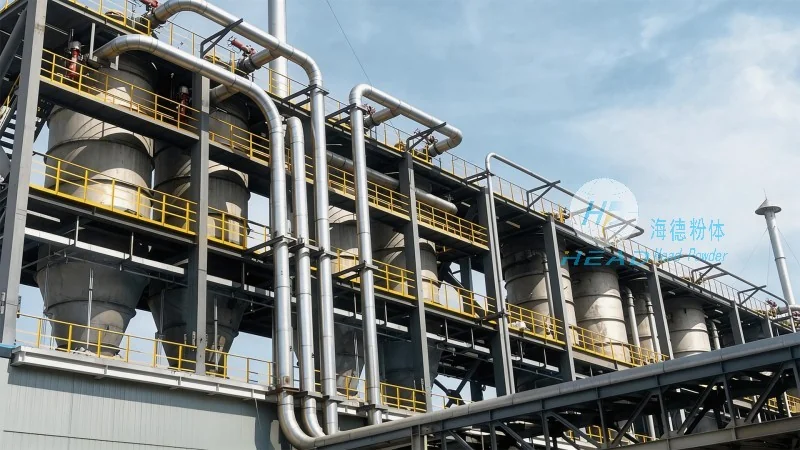
Pneumatic conveying systems offer several advantages over traditional transportation methods for coal ash. One of the most significant benefits is the ability to handle fine particles and prevent dust generation. Unlike belt conveyors, which can cause significant dust and material loss, pneumatic systems transport the material in a sealed environment, reducing environmental impact and improving workplace safety. Additionally, these systems can operate in a variety of environments, including indoor and outdoor settings, and can be integrated with existing infrastructure without major modifications.
Another advantage is the flexibility in system layout. Pneumatic conveying systems can be designed to follow complex routes, including vertical and horizontal segments, making them suitable for transporting coal ash from storage silos to processing units or disposal sites. The systems can also be scaled to accommodate varying material flow rates, from small-scale applications to large industrial operations. Furthermore, the use of vacuum or pressure systems allows for precise control over the material flow, enabling operators to adjust the speed and direction of the transport as needed.
Applications of Coal Ash Pneumatic Conveying
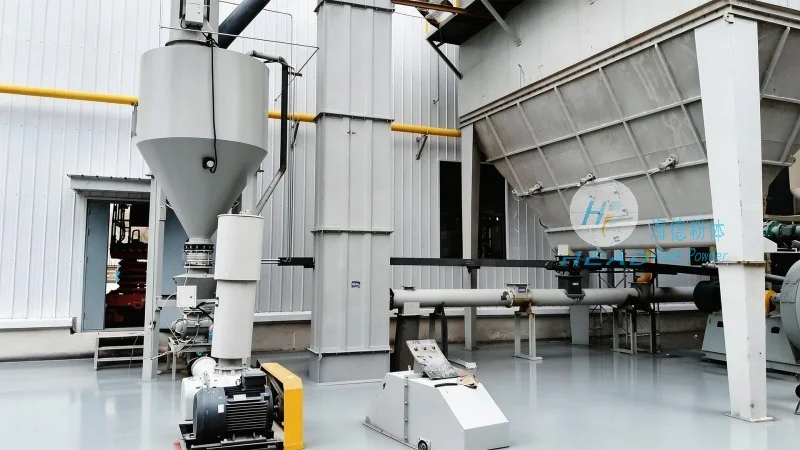
Coal ash pneumatic conveying systems are widely used in various industrial applications, particularly in power plants and waste management facilities. In power plants, these systems are used to transport coal ash from the boiler to storage silos or disposal sites, ensuring efficient material handling and reducing the need for manual labor. In waste management, the systems are employed to move coal ash from collection points to processing facilities, where it may be used as a raw material for cement production or other industrial applications. The systems are also used in research and development settings to transport coal ash samples for analysis and testing.
About HeadPowder Engineering
HeadPowder Engineering, a leading provider of pneumatic conveying solutions, specializes in designing and manufacturing coal ash material pneumatic conveying systems tailored to the unique needs of industrial clients. With years of experience in the field, the company has developed a deep understanding of the challenges associated with coal ash transportation and has developed innovative solutions to address them. HeadPowder Engineering's systems are designed to meet the highest standards of efficiency, reliability, and safety, ensuring that clients can operate their facilities with minimal downtime and maximum productivity. The company's headquarters is located in Shandong, China, where it serves clients both domestically and internationally.