

What is a Manganese Sulfate Material Pneumatic Conveying System? And What Are Its Design Principles?
Manganese sulfate is a widely used chemical compound in various industrial applications, including battery production, agriculture, and water treatment. The efficient and reliable transportation of this material from one processing stage to another is crucial for maintaining production efficiency and minimizing material loss. A pneumatic conveying system offers a solution to this challenge by utilizing air or gas to transport bulk materials like manganese sulfate through a pipeline network. This article explores the concept of a manganese sulfate material pneumatic conveying system, detailing its components, operational principles, and the key design considerations that ensure optimal performance.
Understanding Pneumatic Conveying Technology
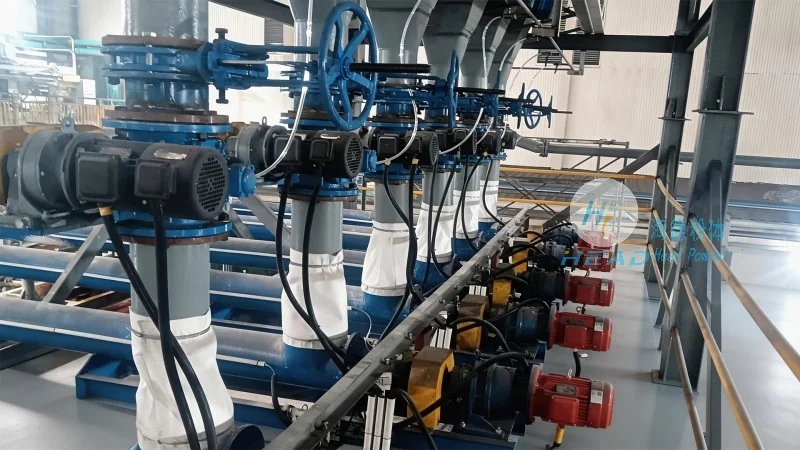
Pneumatic conveying systems are a type of bulk material handling equipment that uses pressurized air or vacuum to move solid materials through a closed pipeline system. Unlike mechanical conveying methods such as belt conveyors or screw conveyors, pneumatic systems do not require physical contact with the material, which reduces wear and tear on equipment and minimizes the risk of contamination. For manganese sulfate, which is often in powder or granular form, pneumatic conveying is particularly effective due to its ability to handle fine particles without clogging or degradation.
Key Components of a Manganese Sulfate Pneumatic Conveying System
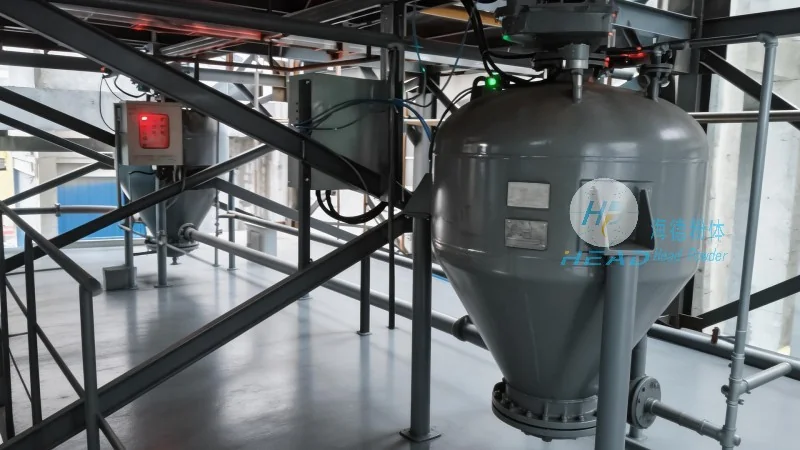
The design of a manganese sulfate pneumatic conveying system involves several critical components that work in tandem to ensure smooth material transport. The primary components include a material feeder, a conveying line (often equipped with bends and elbows), a separator or filter to remove air from the material stream, and a discharge hopper or silo. The material feeder is responsible for introducing the manganese sulfate into the system at a controlled rate, preventing overloading and ensuring consistent flow. The conveying line, typically made of stainless steel or other corrosion-resistant materials, is designed to withstand the chemical properties of manganese sulfate and maintain hygiene standards. The separator or filter is essential for separating the material from the air, as it prevents dust and particles from escaping into the environment and ensures that the material is delivered to the destination in a clean and dry state.
Design Principles for Optimal Performance
The design of a pneumatic conveying system for manganese sulfate must consider several factors to achieve high efficiency, low energy consumption, and minimal material degradation. One of the most important design principles is the selection of the appropriate conveying velocity. The velocity of the air or gas must be sufficient to keep the material particles suspended in the air stream but not so high as to cause excessive wear on the pipeline or equipment. For fine manganese sulfate powders, a conveying velocity of 20-30 meters per second is typically recommended, while for larger granules, a lower velocity of 10-15 meters per second may be sufficient. Another critical design consideration is the system's pressure or vacuum level. Positive pressure systems, where air is forced into the pipeline, are commonly used for conveying materials over short distances or to a single destination, while negative pressure (or vacuum) systems are preferred for longer distances or when multiple destinations are involved. The pressure level is determined by the material's properties, such as its density and flowability, as well as the system's layout and the number of bends and elbows in the pipeline.
Material Handling Considerations for Manganese Sulfate
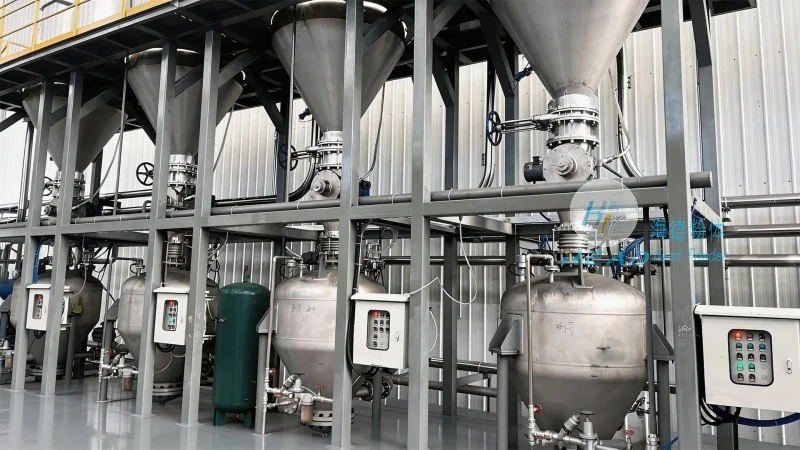
When designing a pneumatic conveying system for manganese sulfate, it is essential to consider the material's physical and chemical properties. Manganese sulfate is a hygroscopic material, meaning it absorbs moisture from the air, which can lead to caking or clumping if not handled properly. To prevent this, the system should include drying or moisture control measures, such as a dehumidifier or a heated conveying line. Additionally, manganese sulfate can be corrosive to certain materials, particularly at high concentrations or in the presence of acidic conditions. Therefore, the system components, such as the feeder, pipeline, and separator, must be made of materials that are resistant to corrosion, such as stainless steel or special alloys. The system's design should also account for the material's flowability, as fine powders can be prone to bridging or segregation in the hopper or silo. Proper hopper design, including the use of cone-shaped hoppers with smooth walls and appropriate aeration, can help prevent these issues and ensure consistent material flow.
Advantages of Pneumatic Conveying for Manganese Sulfate
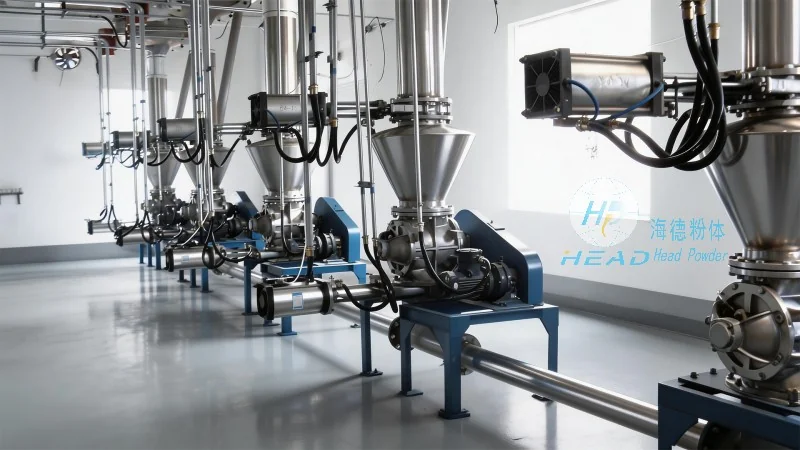
Compared to traditional mechanical conveying methods, pneumatic conveying offers several advantages for handling manganese sulfate. First, it provides a clean and hygienic method of material transport, which is particularly important in food and pharmaceutical industries where contamination must be minimized. The closed pipeline system prevents dust and particles from escaping into the environment, reducing the risk of inhalation or environmental pollution. Second, pneumatic systems are highly flexible and can be easily reconfigured to accommodate changes in production needs or to add new destinations. This flexibility is especially valuable in industrial settings where production processes may evolve over time. Third, pneumatic conveying can be more energy-efficient than mechanical systems, particularly for short to medium distances, as it eliminates the need for moving parts and reduces friction losses. Finally, the system can be designed to handle a wide range of material sizes and shapes, from fine powders to larger granules, making it a versatile solution for various applications.
Conclusion
A manganese sulfate material pneumatic conveying system is a sophisticated piece of equipment that combines engineering principles with material science to ensure efficient and reliable transport of this important chemical compound. By understanding the design principles and key components of such a system, manufacturers can optimize their material handling processes, reduce operational costs, and improve overall production efficiency. The system's ability to handle fine particles, maintain hygiene standards, and adapt to changing production needs makes it an essential component in many industrial applications. As the demand for manganese sulfate continues to grow, the development of advanced pneumatic conveying systems will remain critical to meeting the needs of various industries.