

What is an Aluminum Dross Material Pneumatic Conveying System? And What Are Its Design Principles?
Aluminum dross, a byproduct of aluminum smelting and processing, poses unique challenges for material handling due to its high moisture content, abrasive nature, and tendency to agglomerate. Traditional methods like belt conveyors or bucket elevators often struggle with these characteristics, leading to system inefficiencies and increased maintenance costs. To address these issues, many industries now turn to pneumatic conveying systems, specifically designed for aluminum dross. This article explores the concept of an aluminum dross material pneumatic conveying system and delves into its underlying design principles.
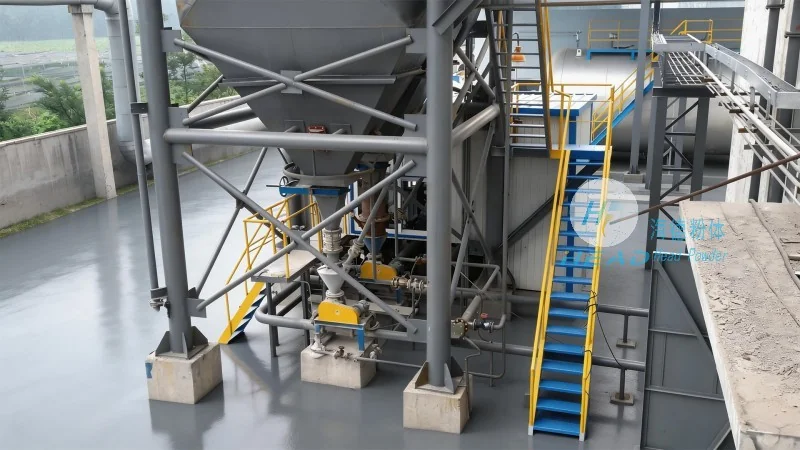
Understanding Aluminum Dross and Its Handling Challenges
Aluminum dross is a solid waste generated during the production of aluminum, typically consisting of a mixture of metal particles, oxides, and other impurities. Its properties, such as high moisture content and abrasive surfaces, make it difficult to transport using conventional equipment. For instance, wet or sticky dross can clog conveyor belts or cause wear on mechanical components. Moreover, the abrasive nature of aluminum dross can lead to premature wear of system parts, increasing operational downtime and maintenance expenses. These challenges highlight the need for specialized equipment capable of handling such materials efficiently and reliably.
The Core Components of a Pneumatic Conveying System for Aluminum Dross
A pneumatic conveying system for aluminum dross typically consists of several key components that work in tandem to transport the material from a source to a destination. The primary components include a hopper or feeder to control the flow of dross, a conveyor line (either positive or negative pressure), a separator to remove air from the system, and a discharge point for the dross. Each component plays a critical role in ensuring the system operates smoothly and efficiently.
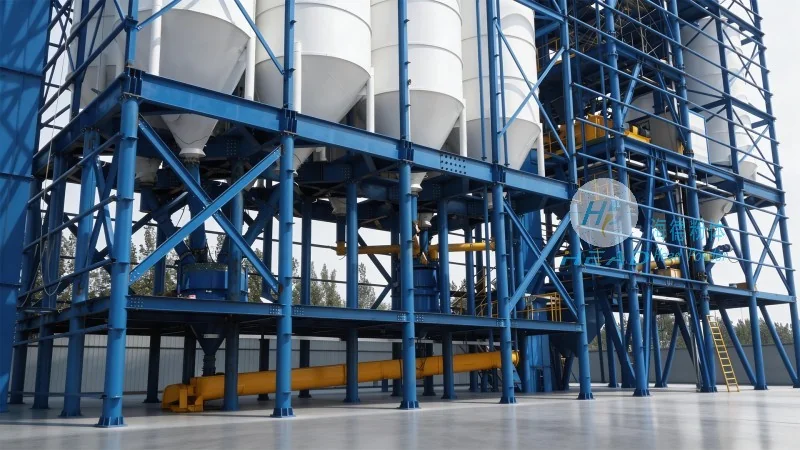
Design Principles for Efficient Aluminum Dross Pneumatic Conveying
The design of an aluminum dross pneumatic conveying system is guided by several fundamental principles aimed at optimizing performance and durability. First, the system must be capable of handling the high moisture content of aluminum dross without clogging or corrosion. This often involves using materials resistant to moisture and corrosion, such as stainless steel or specialized coatings. Second, the system must accommodate the abrasive nature of the material, which may require reinforced components or special wear-resistant parts. Third, the design must ensure proper air flow and pressure to maintain consistent material transport without excessive energy consumption. Additionally, the system should incorporate features like air filtration and dust control to comply with environmental regulations and maintain workplace safety.
Positive vs. Negative Pressure Systems and Their Application in Aluminum Dross Handling
There are two main types of pneumatic conveying systems: positive pressure and negative pressure. Positive pressure systems use a blower to force air and material through the conveyor line, while negative pressure systems use a vacuum to draw material into the system. For aluminum dross, positive pressure systems are often preferred due to their ability to handle abrasive materials and maintain consistent flow rates. However, negative pressure systems may be used in applications where dust control is a priority or where the material is to be transported over long distances. The choice between these systems depends on factors such as the distance of transport, the volume of material, and the specific characteristics of the aluminum dross being handled.
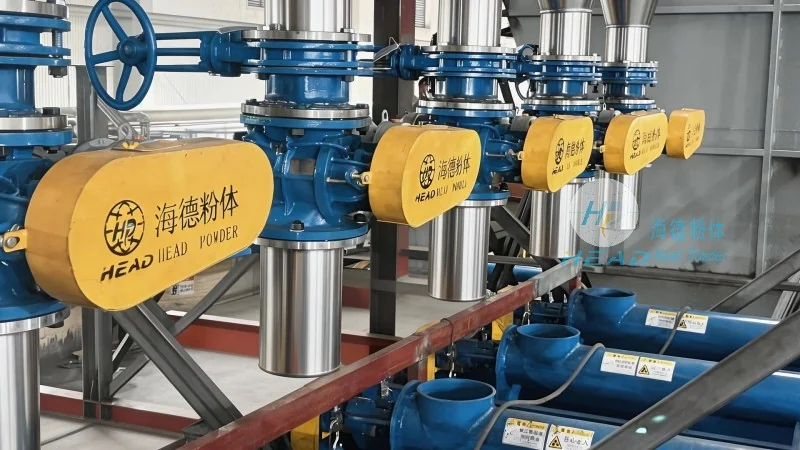
Material Selection and Equipment Durability in Aluminum Dross Conveying
Given the harsh nature of aluminum dross, selecting appropriate materials for system components is crucial. Hoppers and feeders are often made from stainless steel or high-density polyethylene to resist corrosion and wear. The conveyor line itself may use flexible hoses or rigid pipes, depending on the system design. For positive pressure systems, the blower and other moving parts are typically constructed from materials that can withstand high pressures and abrasive conditions. Regular maintenance, including inspections for wear and tear, is essential to ensure the longevity of the system. Additionally, incorporating features like air filters and moisture separators helps maintain system efficiency and reduce downtime.
Applications and Benefits of Aluminum Dross Pneumatic Conveying Systems
Aluminum dross pneumatic conveying systems are widely used in various industries, including aluminum smelting, recycling, and foundries. The primary benefits of these systems include improved material handling efficiency, reduced labor costs, and enhanced workplace safety. By eliminating the need for manual handling of dross, the systems minimize the risk of injury and exposure to hazardous materials. Additionally, the automated nature of pneumatic conveying reduces the likelihood of material spillage and contamination, which is critical in maintaining product quality. The systems also contribute to environmental sustainability by reducing the amount of waste sent to landfills and enabling the recycling of aluminum dross into reusable materials.
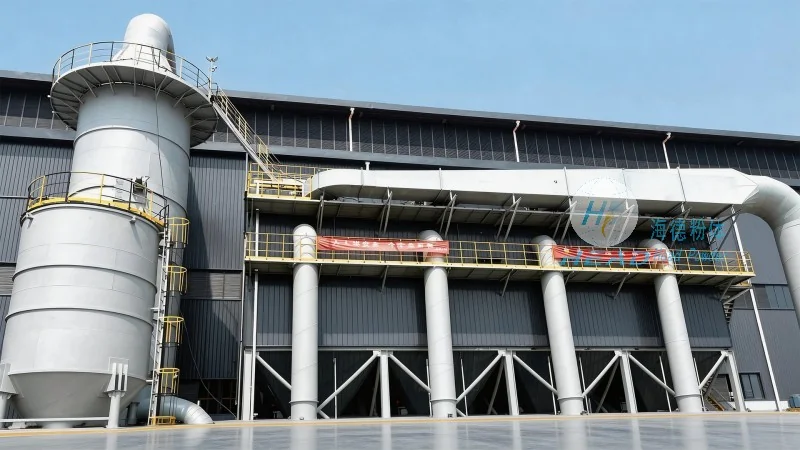
Case Study: Implementation of a Pneumatic Conveying System by Shandong HeadPowder Engineering Co., Ltd.
Shandong HeadPowder Engineering Co., Ltd., a leading provider of material handling solutions, has successfully implemented aluminum dross pneumatic conveying systems for several clients. One notable project involved a large aluminum smelting plant in China that was struggling with inefficient dross handling. The company designed and installed a custom positive pressure pneumatic conveying system tailored to the plant's specific needs. The system incorporated stainless steel components to resist corrosion and wear, and a sophisticated air filtration system to control dust emissions. The implementation resulted in a significant reduction in operational costs, as the plant experienced fewer clogs and required less maintenance. Additionally, the system improved the overall safety of the workplace by eliminating manual handling of dross. This case study highlights the effectiveness of pneumatic conveying systems in addressing the unique challenges of aluminum dross handling and the expertise of Shandong HeadPowder Engineering Co., Ltd. in providing tailored solutions.
Conclusion: The Importance of Specialized Design in Aluminum Dross Pneumatic Conveying
In conclusion, an aluminum dross material pneumatic conveying system is a critical solution for industries dealing with aluminum dross. The design principles behind these systems focus on addressing the unique challenges posed by aluminum dross, such as high moisture content, abrasiveness, and agglomeration. By incorporating specialized components and materials, these systems ensure efficient and reliable material transport while minimizing operational costs and enhancing workplace safety. The success of such systems depends on careful consideration of factors like material properties, transport distance, and environmental regulations. For industries seeking to optimize their aluminum dross handling processes, investing in a well-designed pneumatic conveying system is a strategic decision that can lead to long-term benefits. Shandong HeadPowder Engineering Co., Ltd. stands as a trusted partner in providing customized solutions for aluminum dross pneumatic conveying, helping clients achieve their operational and sustainability goals.