

The Working Principle and Features of Sodium Hypochlorite Pneumatic Conveying Equipment
When it comes to handling sodium hypochlorite, a critical chemical widely used in water treatment, disinfection, and industrial processes, the choice of equipment for its transport and delivery is paramount. The sodium hypochlorite pneumatic conveying equipment from Shandong HeadPowder Engineering Co., Ltd. offers a reliable and efficient solution that addresses the unique challenges associated with this corrosive and reactive chemical. This equipment is designed to ensure safe, effective, and continuous operation in various industrial applications.
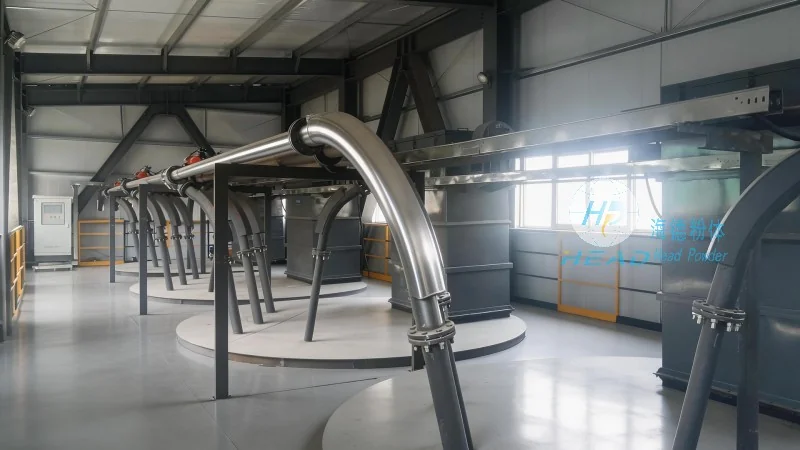
Understanding the Working Principle of Sodium Hypochlorite Pneumatic Conveying Systems
The core of the sodium hypochlorite pneumatic conveying system lies in its ability to transport the liquid chemical through a pipeline using air or other gas as the conveying medium. This method, known as pneumatic conveying, eliminates the need for mechanical components like pumps or valves that might come into direct contact with the corrosive sodium hypochlorite, thereby reducing the risk of equipment degradation and contamination. The system typically operates by injecting compressed air into the liquid at the source, creating a mixture of liquid droplets and air bubbles. This mixture is then propelled through the pipeline to the destination point, where the air is separated from the liquid, allowing the sodium hypochlorite to be discharged as needed.
Key components of the system include the feed tank, air injection system, pipeline network, and separation or discharge unit. The feed tank holds the sodium hypochlorite, and the air is introduced at a controlled rate to maintain the desired flow rate and pressure. The pipeline is constructed from materials resistant to the chemical's corrosive properties, such as stainless steel or specialized polymers, to ensure longevity and safety. The separation unit, often a cyclone or a venturi scrubber, separates the air from the liquid, allowing the sodium hypochlorite to be collected in a storage tank or directly to the point of use.
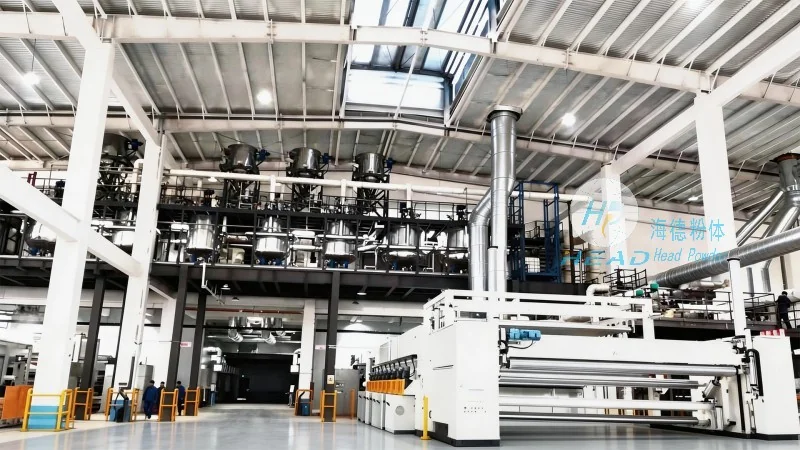
Key Features and Advantages of the Equipment
Shandong HeadPowder Engineering Co., Ltd.'s sodium hypochlorite pneumatic conveying equipment is engineered with several distinct features that enhance its performance and reliability. One of the primary advantages is the corrosion-resistant design, which uses materials like stainless steel and specialized coatings to withstand the chemical's aggressive nature, ensuring long-term durability and minimal maintenance. The system also incorporates precise air control mechanisms, allowing for accurate regulation of flow rates and pressure, which is crucial for maintaining consistent chemical delivery and preventing overpressurization or underflow.
Another notable feature is the compact and modular construction, which enables easy installation and integration into existing industrial setups. This design minimizes space requirements while maintaining high efficiency, making it suitable for both new installations and retrofitting into existing facilities. The equipment also includes advanced monitoring and safety features, such as pressure sensors, flow meters, and automatic shut-off valves, which provide real-time data on system performance and protect against potential hazards like overpressure or leaks.
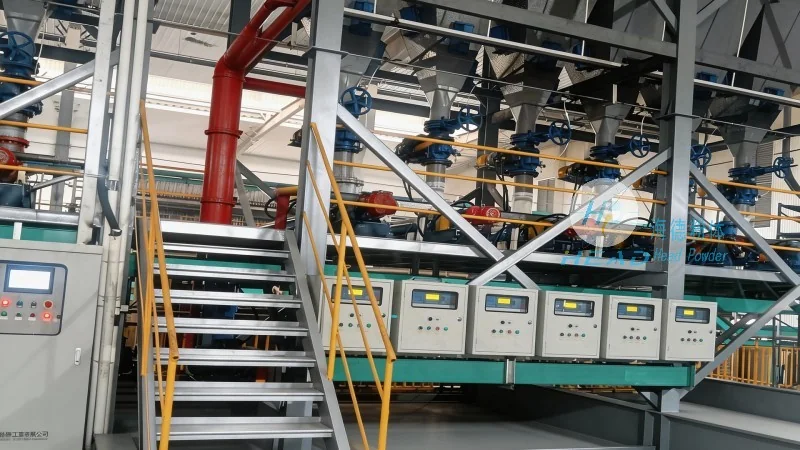
The system's energy efficiency is another significant benefit. By using compressed air as the conveying medium, the equipment reduces the need for additional mechanical pumps or conveyors, lowering operational costs and environmental impact. This makes it an attractive option for industries looking to optimize their processes while maintaining compliance with safety and environmental regulations.
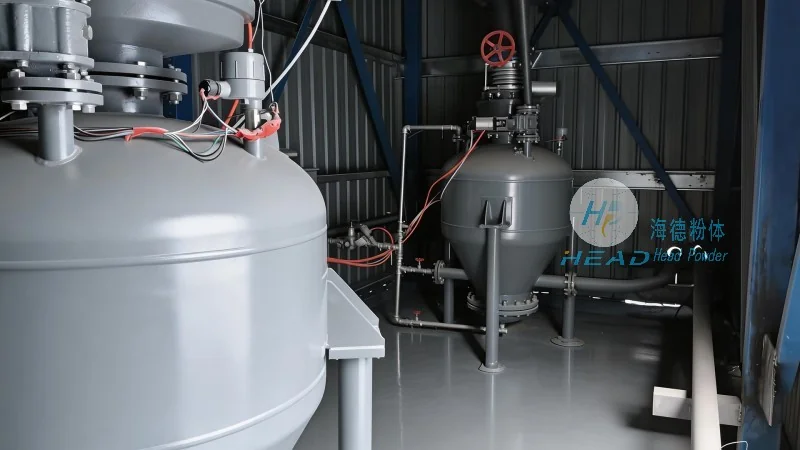
Applications and Industry Impact
The sodium hypochlorite pneumatic conveying equipment from Shandong HeadPowder Engineering Co., Ltd. is widely used in various industries where sodium hypochlorite is a critical component. In the water treatment sector, it ensures efficient delivery of disinfectants to treatment plants, supporting the production of clean drinking water. In the industrial cleaning and sanitation industry, the equipment facilitates the distribution of sodium hypochlorite solutions to cleaning equipment, enhancing the effectiveness of sanitation processes. Additionally, in the chemical manufacturing and processing industries, it enables the safe and controlled transport of sodium hypochlorite during production, contributing to overall operational efficiency.
By providing a reliable and efficient method of transporting sodium hypochlorite, this equipment helps industries maintain consistent product quality, reduce downtime, and improve overall operational safety. The combination of corrosion-resistant materials, precise control systems, and advanced safety features ensures that the equipment meets the stringent requirements of modern industrial applications, making it a preferred choice for companies seeking to optimize their chemical handling processes.