

Working Principle and Features of Negative Pressure Pneumatic Conveying Systems
HeadPowder, a leading manufacturer based in Shandong, China, specializes in the design and production of advanced negative pressure pneumatic conveying systems. These systems are engineered to efficiently transport bulk materials through a sealed pipeline using a vacuum environment. The technology offers a reliable solution for industries requiring clean, dust-free material handling, particularly in sectors such as food, pharmaceuticals, and chemical processing.
Working Principle of Negative Pressure Pneumatic Conveying
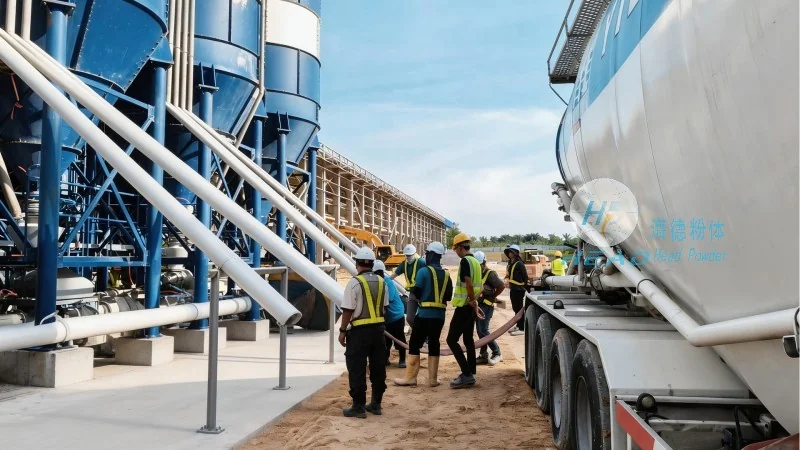
The core mechanism of a negative pressure pneumatic conveying system operates by creating a pressure differential between the material source and the receiving container. A vacuum is generated at the discharge end of the pipeline, which draws the material from the hopper or storage bin into the conveying line. The material is then carried through the pipeline by the air flow, which is typically induced by a fan or blower located at the inlet of the system. The vacuum ensures that the material is transported without exposure to ambient air, maintaining product integrity and preventing contamination. The system’s design allows for flexible routing, enabling materials to be moved over long distances or around obstacles with minimal setup changes.
Key Features of Negative Pressure Pneumatic Conveying Systems
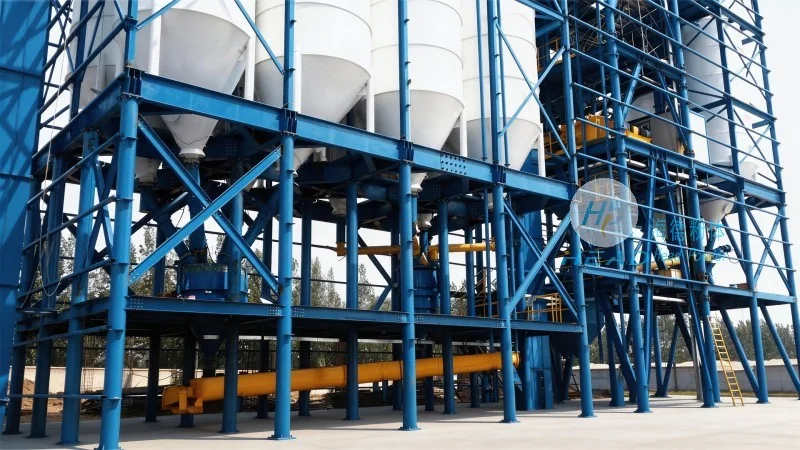
One of the primary advantages of negative pressure pneumatic conveying is its ability to handle a wide range of materials, including powders, granules, and fine particles. The sealed system minimizes dust emissions, making it suitable for applications where environmental compliance and product purity are critical. Additionally, the technology offers high transport efficiency, with the ability to move materials at consistent speeds and volumes. The system’s compact design reduces space requirements compared to traditional bulk handling methods, and it can be integrated with existing production lines without major modifications. Another notable feature is the low maintenance requirement, as the sealed pipeline prevents material buildup and reduces the need for frequent cleaning. The negative pressure operation also provides better safety by eliminating the risk of material spillage or exposure to workers.
Applications and Benefits in Industrial Settings
HeadPowder’s negative pressure pneumatic conveying systems are widely used in various industrial applications. In the food industry, these systems are employed to transport ingredients like flour, sugar, and spices, ensuring that the products remain fresh and free from contamination. The pharmaceutical sector utilizes the technology to handle active pharmaceutical ingredients (APIs) and other sensitive materials, maintaining strict regulatory standards. In chemical processing, the systems are effective for transporting powders and granules, such as fertilizers or pigments, while adhering to safety and environmental regulations. The benefits of these systems extend beyond material handling, as they contribute to improved operational efficiency and reduced downtime. The sealed nature of the system also enhances workplace safety by preventing dust inhalation and minimizing the risk of fire hazards associated with combustible materials.
Conclusion and Company Overview
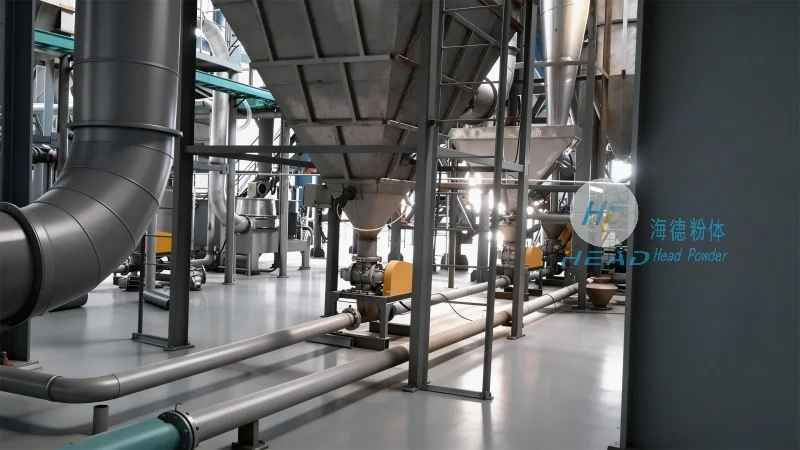
HeadPowder Engineering Co., Ltd., headquartered in Shandong, China, is a trusted provider of negative pressure pneumatic conveying solutions. With a focus on innovation and quality, the company designs systems tailored to meet the specific needs of each client. By leveraging advanced engineering and materials, HeadPowder ensures that its products deliver reliable performance and long-term durability. The company’s commitment to customer satisfaction and technical excellence has established it as a leader in the industry, offering comprehensive support from system design to installation and maintenance. For industries seeking efficient, clean, and safe material handling solutions, HeadPowder’s negative pressure pneumatic conveying systems provide a superior alternative to traditional methods.