

Working Principle and Features of Biological Enzyme Pneumatic Conveying Equipment
Biological enzyme pneumatic conveying equipment is a specialized system designed for the efficient and safe transport of materials that require enzymatic treatment or are sensitive to moisture and temperature variations. This equipment plays a crucial role in industries such as biotechnology, pharmaceuticals, and food processing, where maintaining the integrity of biological substances is paramount. The system combines advanced pneumatic technology with precise enzyme application mechanisms to ensure optimal material handling without compromising product quality.
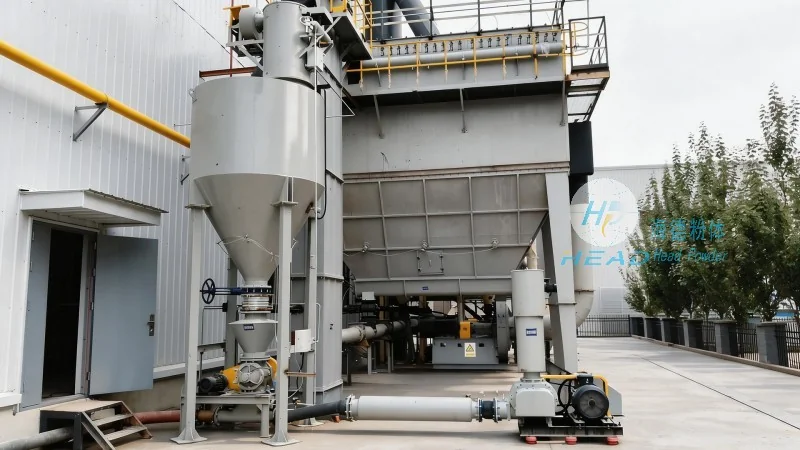
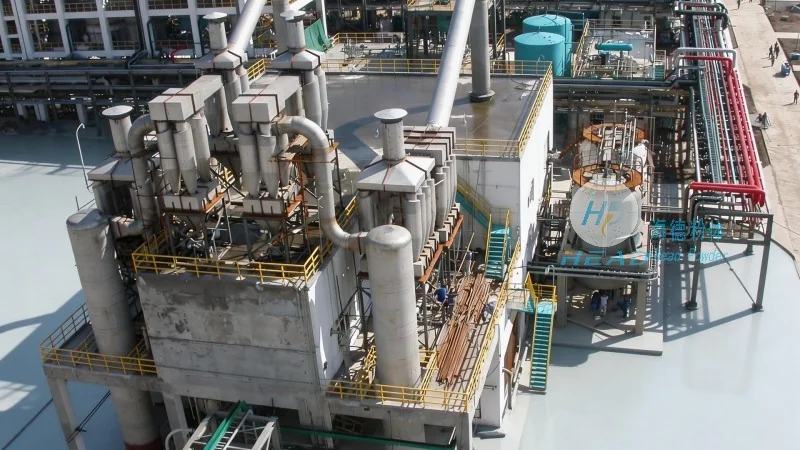
Working Principle of Biological Enzyme Pneumatic Conveying Equipment
The operation of biological enzyme pneumatic conveying equipment is based on the principles of pneumatic transport, where materials are conveyed through a pipeline using compressed air or other gases. In this system, the biological enzymes are typically pre-mixed with the material or introduced at specific points along the conveying path. The equipment features a series of components, including a hopper for material storage, a feeding mechanism to control the flow rate, a pneumatic conveying line, and a discharge unit. The compressed air is introduced at the inlet of the conveying line, creating a low-pressure zone that draws the material and enzyme mixture into the pipeline. As the mixture travels through the line, it is propelled by the air flow, maintaining a consistent velocity to prevent material degradation. The system also includes temperature and humidity control features to protect the enzymes from denaturation, ensuring their effectiveness throughout the conveying process.
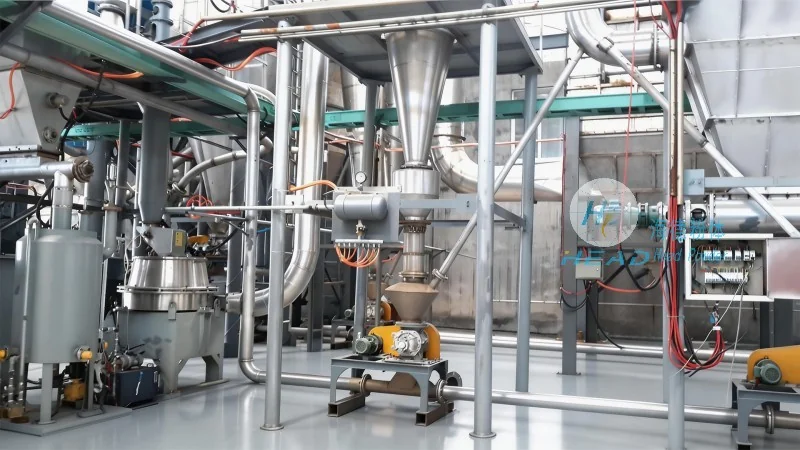
Key Features of Biological Enzyme Pneumatic Conveying Equipment
Several distinct features make biological enzyme pneumatic conveying equipment ideal for handling sensitive materials. Firstly, the system offers a closed-loop operation, which minimizes exposure to external contaminants and maintains a sterile environment, crucial for pharmaceutical and biotech applications. Secondly, the equipment provides precise control over the flow rate and pressure, allowing for accurate dosing of enzymes and consistent material handling. This precision is essential for processes that require specific enzyme concentrations or material ratios. Thirdly, the design incorporates easy-to-clean components, facilitating maintenance and compliance with regulatory standards such as GMP (Good Manufacturing Practice). Additionally, the equipment is equipped with monitoring systems that track temperature, pressure, and flow rates in real-time, enabling operators to adjust parameters dynamically and ensure optimal performance. The use of corrosion-resistant materials in the construction of the conveying line and components further enhances durability and longevity, reducing maintenance costs over time.
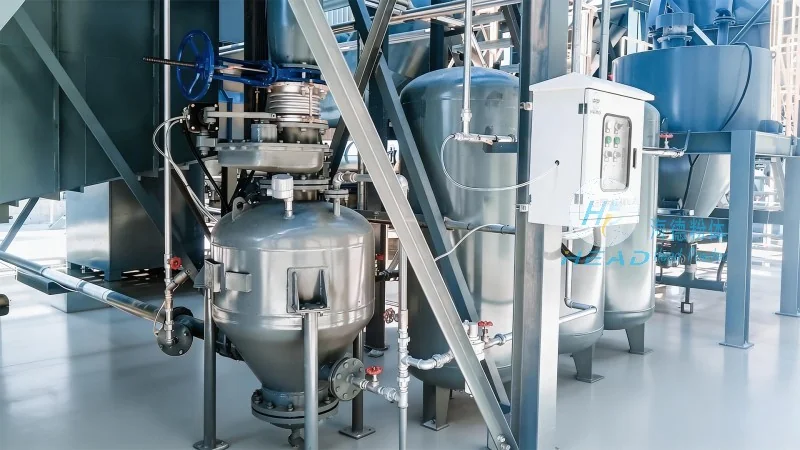
Company Information: Shandong HeadPowder Engineering Co., Ltd.
HeadPowder, as a leading manufacturer in the field of pneumatic conveying systems, specializes in providing customized solutions for biological enzyme handling. With a focus on innovation and quality, the company has developed advanced equipment that meets the stringent requirements of the biotechnology and pharmaceutical industries. HeadPowder's facilities are located in Shandong, China, where the company leverages local expertise and resources to deliver high-performance solutions. The company's commitment to customer satisfaction and product excellence is reflected in its comprehensive after-sales support and technical assistance services. By partnering with HeadPowder, clients gain access to reliable, efficient, and cost-effective equipment that enhances their production processes and ensures compliance with industry standards.