

Working Principle and Characteristics of Pneumatic Conveying Equipment for Lithium Battery Materials
HeadPowder, a leading manufacturer in the field of material handling technology, specializes in providing advanced pneumatic conveying solutions tailored for the lithium battery material industry. This article delves into the working principle and key characteristics of such equipment, highlighting how it enhances efficiency and precision in material transport within the battery manufacturing process.
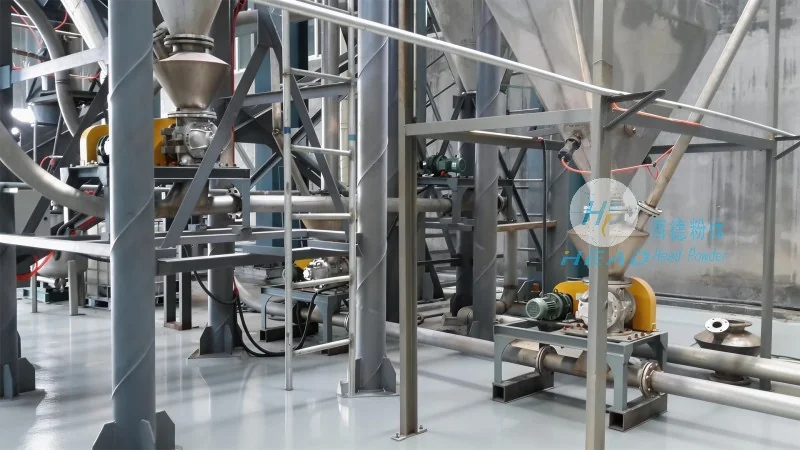
The pneumatic conveying equipment used for lithium battery materials operates on the principle of transporting bulk materials through a pipeline system using compressed air. The process typically involves a series of components, including a hopper for material storage, a feeder to control the flow rate, a conveying line where the material is propelled by air, and a receiver for the discharged material. The compressed air, often generated by a blower or air compressor, creates a pressure differential that moves the material particles through the pipeline. This method is particularly effective for handling fine powders and granules commonly used in lithium battery production, such as lithium carbonate, lithium hydroxide, and various metal powders.
One of the primary working principles is the use of a positive pressure system, where air is forced into the conveying line, carrying the material particles forward. The velocity of the air and the particle size are critical factors in determining the efficiency of the conveying process. Proper air velocity ensures that the material is fully entrained and transported without clogging or degradation. The equipment is designed to maintain consistent flow rates, minimizing material loss and ensuring a stable supply to downstream processes like mixing, coating, or cell formation.
Another important aspect is the negative pressure system, which is sometimes employed for specific applications, especially when dealing with dusty or hazardous materials. In this system, air is drawn out of the conveying line, creating a vacuum that pulls the material particles into the pipeline. This method is beneficial for handling materials that are sensitive to pressure changes or for applications requiring a more controlled environment. Both systems are integrated with filtration and dust collection mechanisms to ensure compliance with environmental regulations and to maintain a clean working environment.
Key Characteristics of Pneumatic Conveying Equipment for Lithium Battery Materials
HeadPowder's pneumatic conveying equipment for lithium battery materials exhibits several distinct characteristics that make it ideal for the demanding requirements of the battery industry. Firstly, the equipment is designed with high precision and reliability, ensuring minimal material degradation and consistent quality. The use of stainless steel or other corrosion-resistant materials in the construction of the conveying lines and components prevents contamination and extends the service life of the equipment.
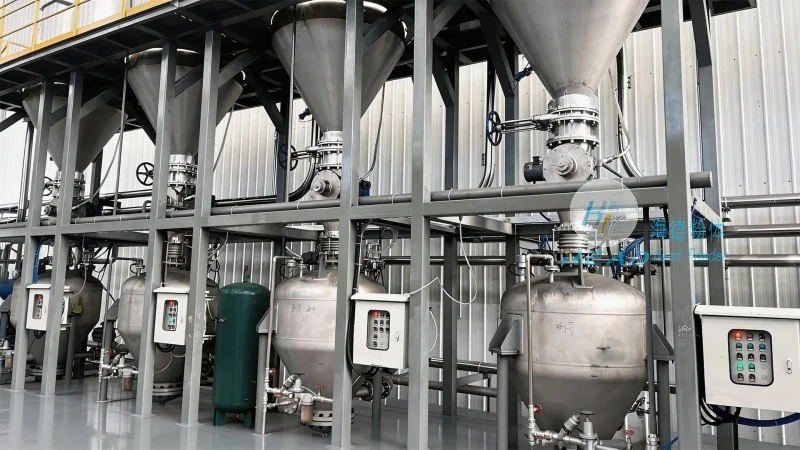
Secondly, the system offers excellent flexibility in terms of material handling. It can accommodate a wide range of particle sizes and shapes, from fine powders to larger granules, making it versatile for different stages of the lithium battery production process. The adjustable flow rates and pressure settings allow for customization to meet specific production needs, whether it's for small-scale laboratory testing or large-scale industrial manufacturing.
Thirdly, the equipment is equipped with advanced control systems that provide real-time monitoring and automation capabilities. This allows operators to adjust parameters such as air pressure, flow rate, and material feed rate dynamically, optimizing the conveying process for maximum efficiency. The integration of sensors and feedback mechanisms ensures that any deviations in the process are immediately detected and corrected, reducing downtime and improving overall productivity.
Furthermore, the equipment is designed with safety and environmental considerations in mind. The inclusion of dust collection systems and explosion-proof features ensures that the operation is safe, especially when handling flammable or reactive materials. The compact design of the equipment also allows for easy integration into existing production lines, minimizing the need for extensive modifications to the facility.
Applications in Lithium Battery Manufacturing
The pneumatic conveying equipment from HeadPowder plays a crucial role in various stages of lithium battery manufacturing. For instance, in the raw material preparation stage, it efficiently transports lithium compounds and metal powders from storage to the mixing and coating units. The precise control over material flow ensures that the correct proportions are maintained, which is critical for achieving the desired battery performance and capacity.
In the cell formation stage, the equipment is used to deliver active materials to the electrode manufacturing process. The consistent and clean transport of materials helps in maintaining the quality of the electrodes, which directly impacts the battery's energy density and cycle life. Additionally, the equipment can be used in the recycling process, where spent batteries are processed to recover valuable materials like lithium and cobalt, contributing to sustainable battery production.
Advantages Over Traditional Conveying Methods
Compared to traditional methods like belt conveyors or screw conveyors, pneumatic conveying offers several advantages for lithium battery materials. Firstly, it eliminates the need for physical contact between the material and the conveying equipment, reducing the risk of contamination and material degradation. This is particularly important for sensitive materials used in lithium batteries, where even minor impurities can affect the battery's performance.
Secondly, the system provides a more hygienic and clean environment, as the material is transported in a closed pipeline system. This is essential in battery manufacturing, where cleanliness is paramount to prevent short circuits or other defects in the final product. The closed system also helps in controlling dust emissions, improving workplace safety and compliance with environmental standards.
Thirdly, pneumatic conveying offers higher efficiency and lower energy consumption compared to traditional methods. The use of compressed air as the conveying medium allows for faster and more reliable material transport, reducing the overall production time. Additionally, the system can handle longer distances and multiple points of material discharge, making it more versatile and cost-effective for large-scale operations.
Conclusion
HeadPowder's pneumatic conveying equipment for lithium battery materials combines advanced technology with robust design to meet the stringent requirements of the battery industry. By understanding the working principles and key characteristics of this equipment, manufacturers can enhance their production processes, improve material quality, and achieve higher efficiency. The equipment's flexibility, precision, and reliability make it an essential component in modern lithium battery manufacturing, contributing to the development of sustainable and high-performance battery technologies.