

Working Principle and Features of Ceramic Pneumatic Conveying Equipment
HeadPowder, a leading manufacturer of industrial conveying solutions, specializes in ceramic pneumatic conveying equipment. This equipment is designed to efficiently transport ceramic materials such as powder, granules, or slurry through a pipeline using air or gas as the conveying medium. Understanding the working principle and key features of this equipment is crucial for optimizing material handling processes in various industries.
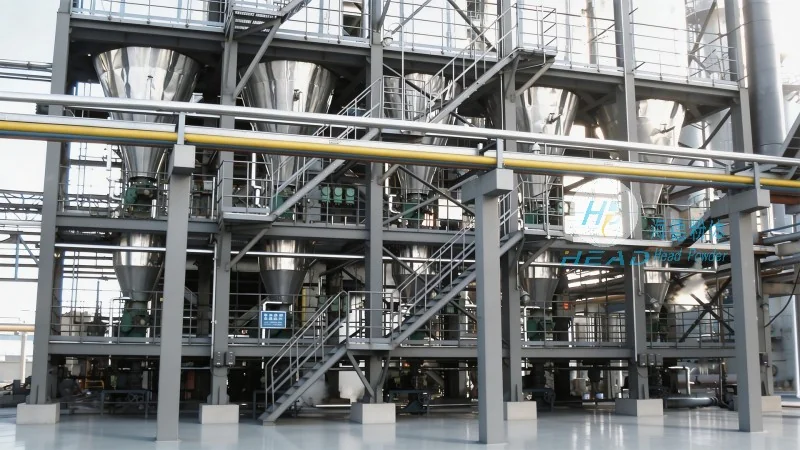
Shandong HeadPowder Engineering Co., Ltd., based in Shandong, China, has been at the forefront of developing advanced pneumatic conveying systems tailored for ceramic applications. The company’s expertise lies in creating customized solutions that meet the specific demands of clients, ensuring reliable and efficient material transport while maintaining product integrity.
Working Principle of Ceramic Pneumatic Conveying Equipment
The core working principle of ceramic pneumatic conveying equipment involves the use of air or gas to move ceramic particles through a pipeline. There are two primary types of pneumatic conveying systems: positive pressure (or pressure) systems and negative pressure (or vacuum) systems. In a positive pressure system, air is forced under pressure into the conveying line, carrying the ceramic material from the source to the destination. This method is often used for long-distance or high-volume transport and is suitable for materials that are not sensitive to air exposure. Conversely, a negative pressure system operates by creating a vacuum in the conveying line, drawing the ceramic material into the system. This approach is ideal for applications where dust control and material containment are critical, as it prevents particles from escaping into the environment.
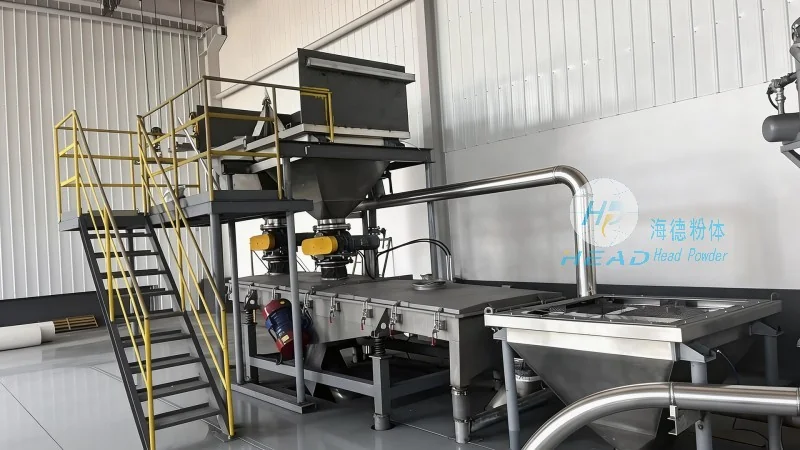
Within these systems, the ceramic material is typically fed into the pipeline via a hopper or feeder. The air flow is controlled by a blower or fan, which provides the necessary pressure or vacuum. The conveying line is often equipped with bends, valves, and filters to ensure smooth material flow and prevent blockages. For ceramic powders, which can be abrasive and prone to caking, specialized components such as flexible hoses, wear-resistant liners, and efficient separation devices are used to maintain system efficiency and longevity.
Key Features of Ceramic Pneumatic Conveying Equipment
Several key features distinguish ceramic pneumatic conveying equipment from other material handling solutions. Firstly, it offers high efficiency in material transport, with the ability to move large volumes of ceramic particles over significant distances with minimal energy consumption. The equipment is also highly flexible, as it can be easily integrated into existing production lines and adapted to different material types and processing requirements.
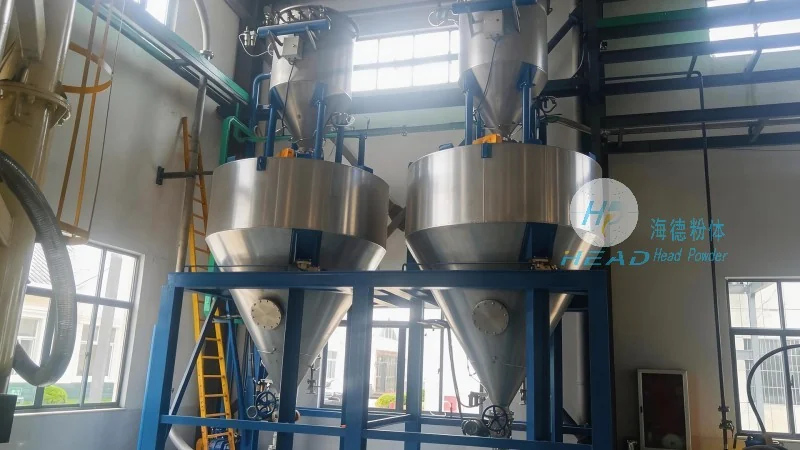
Another important feature is its ability to maintain product quality and integrity. Unlike mechanical conveyors, which can cause abrasion, friction, or contamination, pneumatic systems use air as the conveying medium, reducing the risk of particle degradation. This is particularly critical for high-value ceramic materials, where even minor changes in particle size or composition can impact performance. Additionally, the equipment provides excellent dust control, as the entire conveying process is enclosed, preventing dust emissions and ensuring a clean working environment.
Reliability and durability are also significant advantages of ceramic pneumatic conveying equipment. The systems are designed to withstand the abrasive nature of ceramic materials, with components such as pipelines, valves, and blower housings made from wear-resistant materials like stainless steel or special alloys. This ensures long service life and minimal maintenance requirements, reducing operational costs over time. Furthermore, the equipment is equipped with advanced control systems that allow for precise regulation of air flow, pressure, and material feed rate, enhancing process control and consistency.