

Working Principle and Features of a Hybrid Pneumatic Conveying System
Hybrid pneumatic conveying systems represent a sophisticated approach to material handling, combining the advantages of both positive and negative pressure conveying methods. This technology is widely used in various industries for efficient and reliable transportation of bulk materials. The system integrates components that allow for flexible operation, adapting to different material properties and process requirements. As a leading provider in the field, Shandong HeadPowder Engineering Co., Ltd. (headpowder) specializes in designing and manufacturing high-quality hybrid pneumatic conveying solutions tailored to meet the diverse needs of industrial clients.
Working Principle of Hybrid Pneumatic Conveying
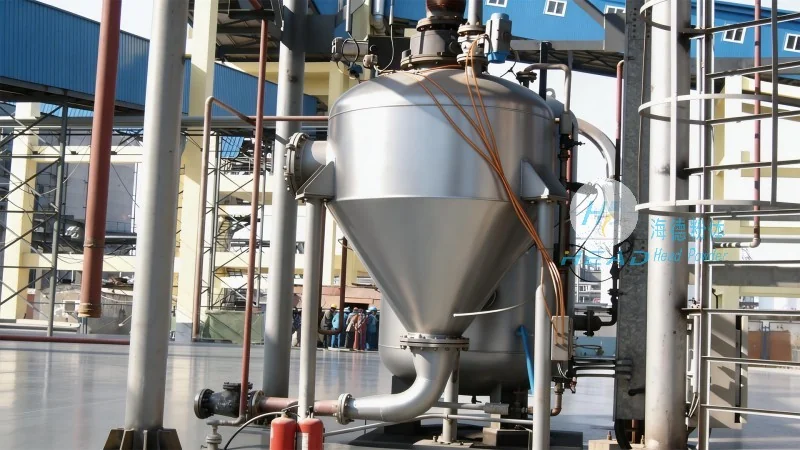
At the core of a hybrid pneumatic conveying system is the seamless integration of positive and negative pressure zones. The process typically begins with the material being fed into a hopper or feeder. From there, the material is drawn into a vacuum zone using a fan or blower, which creates the initial suction. As the material moves through the pipeline, it encounters a transition to a positive pressure section where additional air is introduced to maintain flow and prevent blockages. This dual-pressure approach ensures consistent material transport, even for materials with varying flow characteristics. The system's design allows for precise control over the conveying process, enabling operators to adjust parameters such as air velocity and pressure to optimize performance for specific materials.
Key Features and Advantages
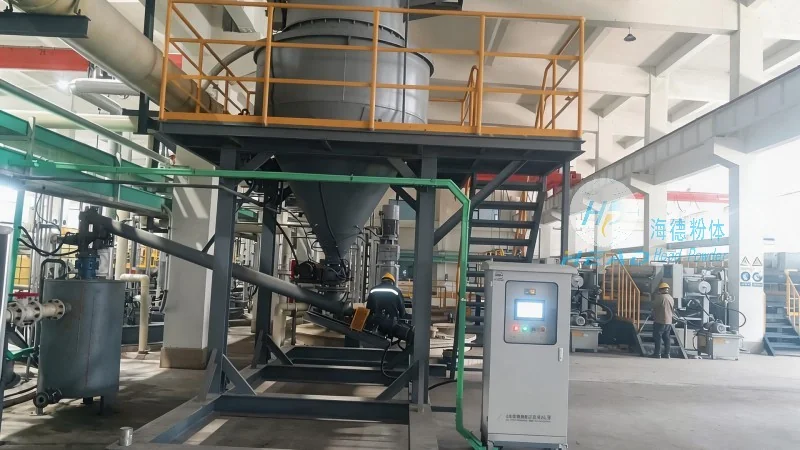
One of the primary features of hybrid pneumatic conveying systems is their versatility. They can handle a wide range of materials, including powders, granules, and even bulk solids, with minimal modification to the system. The ability to switch between vacuum and pressure modes allows for flexible operation, enabling the system to adapt to different process stages or material types. Another significant advantage is the reduced energy consumption compared to traditional positive pressure systems, as the vacuum phase uses less power while still achieving effective material transport. Additionally, the system offers improved safety and dust control, as the enclosed pipeline design minimizes exposure to airborne particles and reduces the risk of dust explosions. The integration of advanced control systems further enhances operational efficiency, providing real-time monitoring and adjustment capabilities.
Applications in Industrial Settings
Hybrid pneumatic conveying systems are employed in numerous industrial applications across different sectors. In the pharmaceutical industry, they are used for the transport of active pharmaceutical ingredients (APIs) and other sensitive materials, ensuring contamination-free handling. In the food and beverage sector, the system is utilized for conveying powders like flour, sugar, and spices, maintaining hygiene standards and preventing cross-contamination. The chemical industry also benefits from these systems, as they can handle hazardous materials safely, with the enclosed design protecting operators from exposure. Furthermore, in the mining and minerals processing industry, hybrid systems are used to transport raw materials and finished products, improving efficiency in material handling operations. The adaptability of hybrid systems makes them suitable for both new installations and retrofitting existing facilities.
Operational Considerations and Maintenance
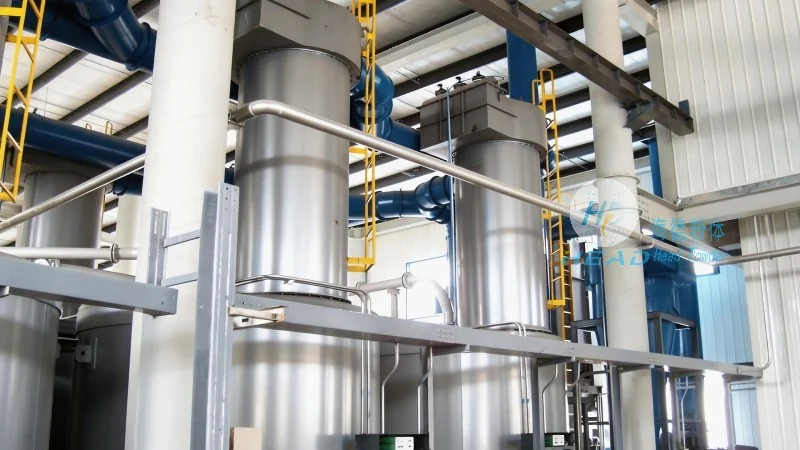
While hybrid pneumatic conveying systems offer numerous benefits, proper operation and maintenance are crucial for optimal performance. Regular inspection of the vacuum and pressure components, such as fans, blowers, and filters, is essential to ensure consistent airflow and prevent system downtime. The system's design should also account for material properties, including particle size, moisture content, and flowability, to avoid blockages or system inefficiencies. Additionally, the use of appropriate materials for the pipeline and components is vital to prevent corrosion or wear, especially when handling corrosive or abrasive materials. Proper training for operators on system operation and emergency procedures is also recommended to ensure safe and efficient use of the hybrid pneumatic conveying system. Shandong HeadPowder Engineering Co., Ltd. provides comprehensive support, including installation, commissioning, and ongoing maintenance services, to ensure the longevity and reliability of their hybrid pneumatic conveying systems.