With more than 10‑year industry experience, Shandong Headpowder delivers full‑service pneumatic‑conveying systems and blowers, undertaking nationwide turn‑key powder‑handling projects.
Understanding the fundamentals of bentonite pneumatic conveying is crucial for industries dealing with this specialized material. Bentonite, a type of clay with unique swelling properties, is often used in applications such as drilling mud, foundry sand, and environmental remediation. The process of pneumatic conveying involves transporting these materials through a pipeline using air or gas as the conveying medium. This method offers advantages like dust control, reduced material degradation, and the ability to handle fine powders efficiently.
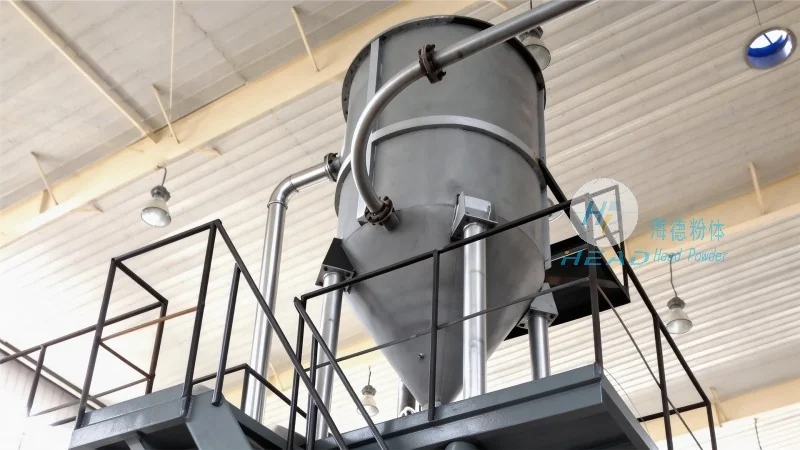
Bentonite pneumatic conveying refers to the technology used to transport bentonite powder or granules through a pipeline system using air or gas as the motive force. Unlike traditional mechanical conveying methods, pneumatic systems can handle materials that are difficult to move due to their fine particle size or cohesive nature. The process typically involves a hopper where the bentonite is stored, a feeder to control the flow rate, a conveying line where the material is propelled by air, and a receiver where the material is deposited. This system is designed to maintain the integrity of the bentonite, preventing clumping or degradation during transport.
Pneumatic conveying systems for bentonite can be broadly classified into two main types: dilute-phase and dense-phase systems. Dilute-phase systems operate at higher air velocities, typically moving material in a dispersed state, similar to a cloud of particles. These systems are suitable for long-distance transport and handling large volumes of material. Dense-phase systems, on the other hand, operate at lower air velocities, where the material is conveyed in a more compacted form, often as a slug or plug. This method is ideal for transporting sensitive materials that require minimal agitation, such as high-value bentonite used in specialized applications.
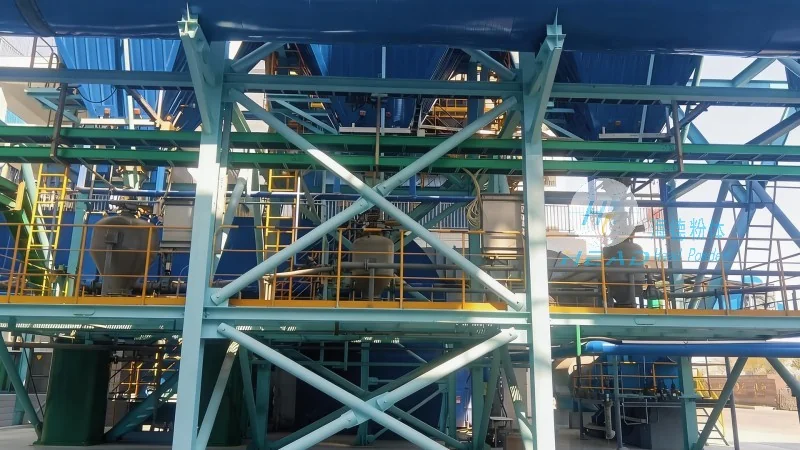
Several critical components make up an effective bentonite pneumatic conveying system. The hopper serves as the storage vessel, ensuring a consistent supply of material. The feeder, which can be a rotary valve or a screw feeder, regulates the flow rate to maintain system efficiency and prevent overloading. The conveying line, usually made of stainless steel or other corrosion-resistant materials, is designed to withstand the abrasive nature of bentonite particles. The air compressor or blower provides the necessary pressure to move the material through the line. Finally, the receiver or discharge hopper collects the material at the destination, often equipped with a dust collection system to ensure environmental compliance.
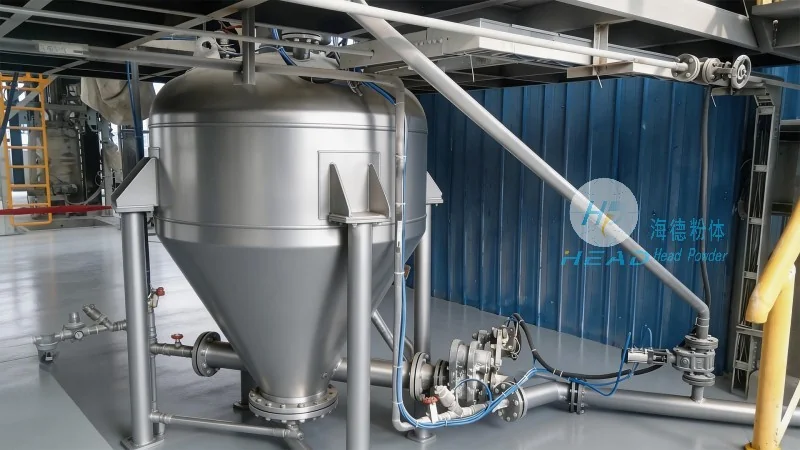
Bentonite pneumatic conveying is widely used in various industries due to its versatility and efficiency. In the oil and gas sector, bentonite is used to formulate drilling mud, and pneumatic systems ensure the precise delivery of this material to drilling sites. In foundry operations, bentonite is used as a binding agent for sand molds, and pneumatic conveying facilitates the transport of the material to the molding equipment. Additionally, in environmental remediation, bentonite is used for soil stabilization and groundwater treatment, and pneumatic systems enable the efficient distribution of this material to treatment sites. The ability to handle fine powders and maintain material quality makes pneumatic conveying the preferred method for many bentonite applications.
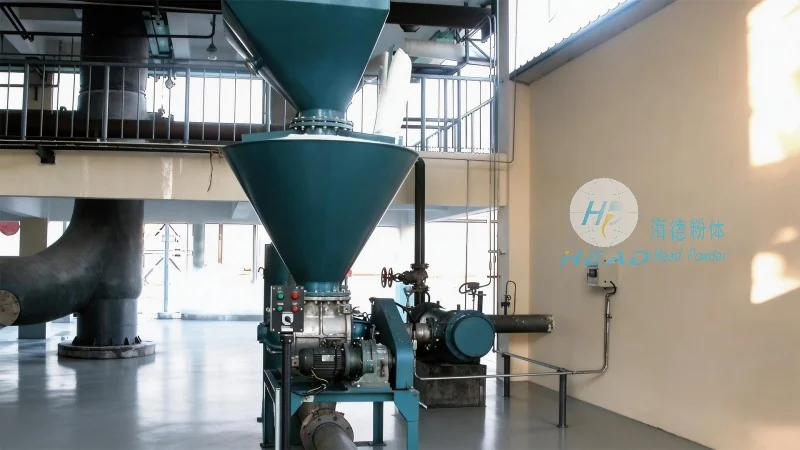
There are several advantages to using pneumatic conveying for bentonite transport. One of the primary benefits is the ability to control dust and minimize material loss during handling. Unlike mechanical systems that may generate significant dust, pneumatic systems contain the material within the pipeline, reducing environmental impact. Another advantage is the reduced risk of material degradation, as the gentle air flow prevents clumping or agglomeration. Additionally, pneumatic systems can be designed for long-distance transport, making them suitable for applications where the bentonite source and destination are far apart. The flexibility of pneumatic systems also allows for easy integration with existing processes, enabling seamless material flow in industrial settings.
Shandong HeadPowder Engineering Co., Ltd., commonly known as HeadPowder, is a leading manufacturer and supplier of pneumatic conveying systems tailored for bentonite and other specialty materials. With a focus on innovation and quality, HeadPowder has developed advanced solutions that address the unique challenges of handling bentonite. The company's expertise lies in designing customized systems that meet the specific requirements of each application, ensuring optimal performance and efficiency. HeadPowder's commitment to customer satisfaction and technical excellence has made it a trusted partner for industries relying on reliable bentonite transport solutions. Based in Shandong, China, HeadPowder leverages its local presence to provide timely support and service to its clients worldwide.

 Shandong Headpowder Engineering Co., Ltd.
 156-6277-7102(Manager Zhang)
  0531-83386006
  Zhangqiu District, Jinan City, Shandong Province, China
telephone
WeChatconsult
top