With more than 10‑year industry experience, Shandong Headpowder delivers full‑service pneumatic‑conveying systems and blowers, undertaking nationwide turn‑key powder‑handling projects.
HeadPowder, a leading provider in the field of material handling solutions, specializes in cement aggregate pneumatic conveying systems. This article aims to explore the fundamental concepts of cement aggregate pneumatic conveying, its classification, and practical applications in industrial settings.
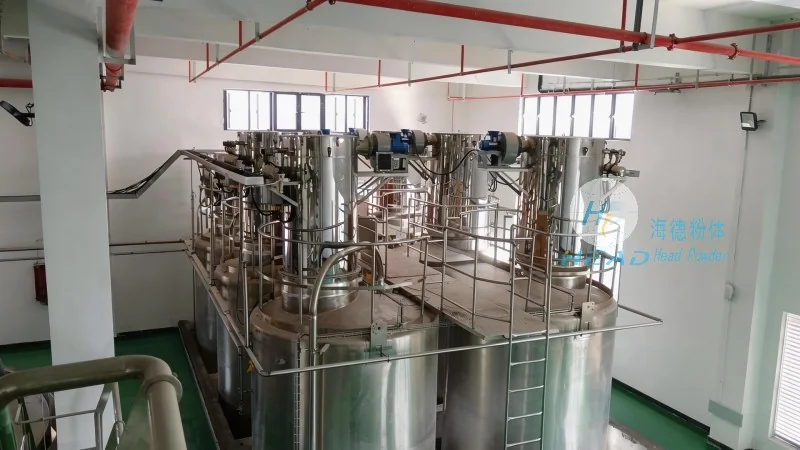
Cement aggregate pneumatic conveying is a method of transporting bulk materials, such as cement, sand, and other aggregates, through a pipeline using air as the conveying medium. Unlike traditional mechanical conveying systems, which rely on belts, buckets, or screws, pneumatic conveying utilizes the force of compressed air to move materials efficiently and safely. The process involves feeding the material into a hopper, where it is then drawn into a pipeline by the air flow. This method is particularly advantageous for handling dusty or abrasive materials, as it minimizes contamination and reduces the risk of material degradation.
Pneumatic conveying systems are broadly classified into two main categories: pressure and vacuum systems. Pressure systems operate by forcing air and material through the pipeline under positive pressure, typically using a positive displacement blower or a rotary lobe blower. These systems are suitable for long-distance and high-capacity conveying tasks. On the other hand, vacuum systems use a vacuum pump to create a negative pressure in the pipeline, drawing material from the source into the system. Vacuum systems are often preferred for short-distance conveying and for applications where the material needs to be collected from multiple points.
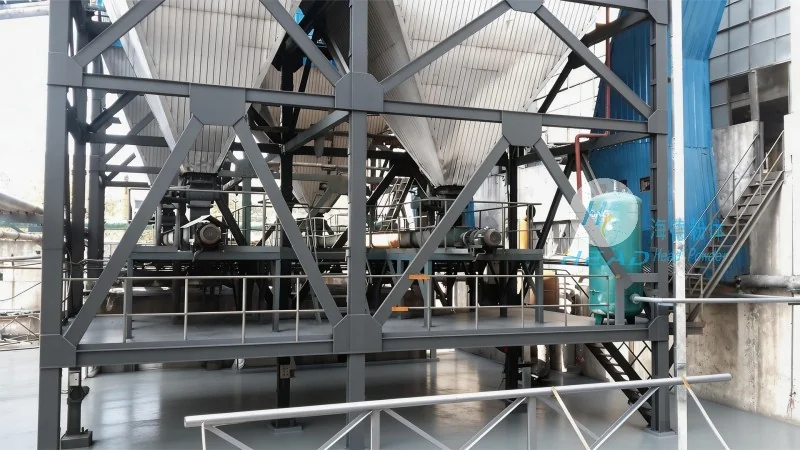
Effective cement aggregate pneumatic conveying systems consist of several critical components. The primary components include a hopper for material storage, a feeder to control the flow rate, a conveying line (pipeline) to transport the material, a fan or blower to generate the air flow, and a receiver or silo for material discharge. Additional components may include filters to remove dust from the air, cyclones for material separation, and control valves to regulate the system's operation. Each component plays a vital role in ensuring the smooth and efficient operation of the system, minimizing downtime and maximizing material throughput.
In the cement industry, pneumatic conveying is widely used for transporting raw materials, such as limestone, clay, and sand, from storage silos to the production line. It is also employed in the transportation of finished cement products from the grinding mills to storage facilities or to the end-users. The ability to handle abrasive and dusty materials without causing contamination makes pneumatic conveying an ideal solution for cement processing. Furthermore, the system's flexibility allows for easy integration into existing production lines, enabling manufacturers to optimize their material handling processes and improve overall efficiency.
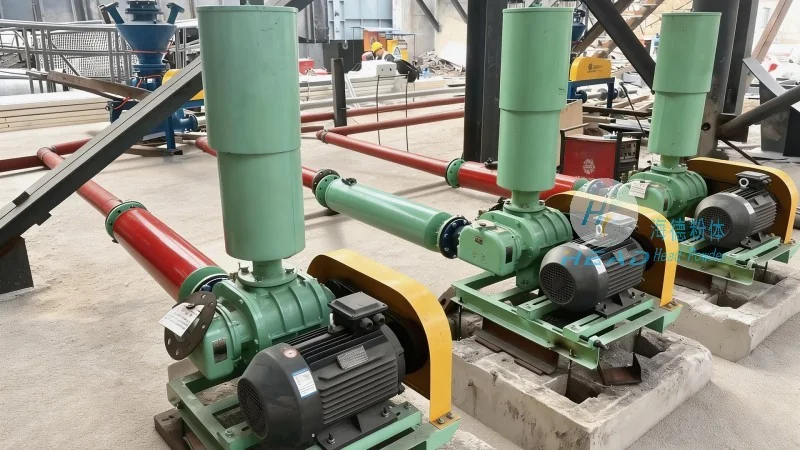
There are several advantages to utilizing pneumatic conveying for cement aggregates. One of the most significant benefits is the reduction in material handling costs. By eliminating the need for multiple transfer points and mechanical equipment, companies can achieve lower operational expenses. Additionally, pneumatic conveying systems offer improved safety by minimizing the risk of material spillage and dust exposure, which is crucial in the cement industry where dust can be hazardous to workers. The system also provides better control over the material flow rate, allowing for precise dosing and consistent product quality. Furthermore, the compact design of pneumatic conveying systems saves valuable floor space, making them suitable for facilities with limited area.
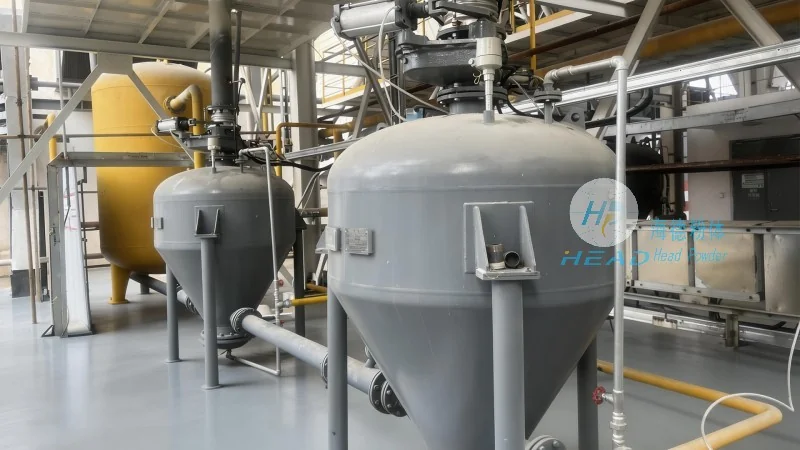
Despite its benefits, cement aggregate pneumatic conveying also presents certain challenges. One of the main challenges is the potential for material blockages in the pipeline, especially when handling sticky or cohesive materials. This can lead to system downtime and increased maintenance costs. Another consideration is the need for regular maintenance of the system components, particularly the fan and filters, to ensure optimal performance. Additionally, the energy consumption of pneumatic conveying systems can be higher compared to mechanical systems, although advancements in technology have helped to reduce this impact. Proper system design and regular maintenance are essential to mitigate these challenges and ensure the long-term reliability of the system.
Cement aggregate pneumatic conveying is a highly effective and versatile method for transporting bulk materials in the cement industry. By understanding the different classifications and components of pneumatic conveying systems, manufacturers can select the most suitable solution for their specific needs. As technology continues to advance, we can expect further improvements in the efficiency and reliability of these systems, leading to even greater adoption in industrial applications. HeadPowder remains committed to providing innovative material handling solutions that meet the evolving needs of the cement industry, ensuring safe, efficient, and cost-effective material transportation.

 Shandong Headpowder Engineering Co., Ltd.
 156-6277-7102(Manager Zhang)
  0531-83386006
  Zhangqiu District, Jinan City, Shandong Province, China
telephone
WeChatconsult
top