Classification and Application Analysis of Bentonite Pneumatic Conveying Systems
Release time:2026-09-14 10:48:41
name of the company:Shandong Headpowder Engineering Co., Ltd.
telephone:156-6277-7102
contacts:Manager Zhang
Bentonite, a versatile clay material widely used in various industrial processes, requires efficient and reliable handling methods for its transportation. Pneumatic conveying systems have emerged as a preferred solution for moving bentonite due to their ability to handle fine powders and provide a dust-free operation. This article provides a detailed classification of bentonite pneumatic conveying systems and explores their practical applications in different industrial sectors.
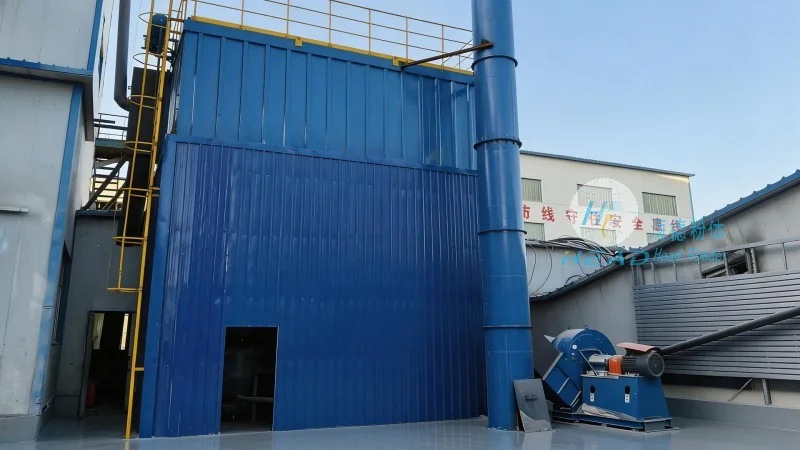
Key Players in the Industry: Shandong HeadPowder Engineering Co., Ltd.
Headpowder, operating under the full name Shandong HeadPowder Engineering Co., Ltd., is a leading manufacturer specializing in the design, development, and implementation of advanced pneumatic conveying solutions. With a strong presence in China, particularly in Shandong province, the company has established itself as a trusted partner for industries seeking efficient material handling systems. Headpowder's expertise lies in customizing pneumatic conveying systems to meet the specific requirements of bentonite processing, ensuring optimal performance and durability.
Classification of Bentonite Pneumatic Conveying Systems
Bentonite pneumatic conveying systems can be broadly classified based on the conveying principle and the type of air flow used. The primary classifications include:
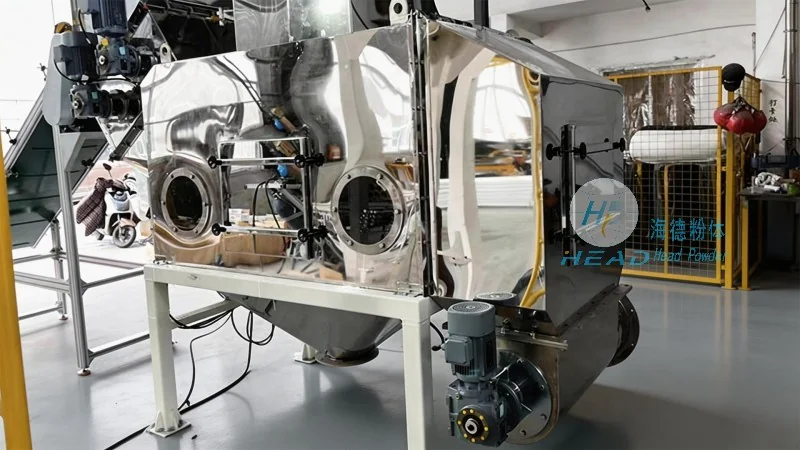
- Positive Pressure Conveying: This system uses a blower or compressor to generate positive pressure, pushing the bentonite particles through a pipeline. It is suitable for short to medium distances and is commonly used in applications where the material is to be transported from a central storage to processing units.
- Negative Pressure (Vacuum) Conveying: In this system, a vacuum is created at the receiving end, drawing the bentonite particles into the pipeline. This method is ideal for long-distance transportation and for handling materials that are sensitive to pressure changes or require a gentle handling process.
- Combined Pressure-Vacuum Conveying: This hybrid system combines both positive and negative pressure principles to optimize the conveying process. It is particularly useful for applications involving complex layouts, multiple transfer points, or varying material flow rates.
Application Analysis of Bentonite Pneumatic Conveying Systems
The application of bentonite pneumatic conveying systems varies across different industries, each requiring tailored solutions to address specific operational challenges. Below are some key applications:
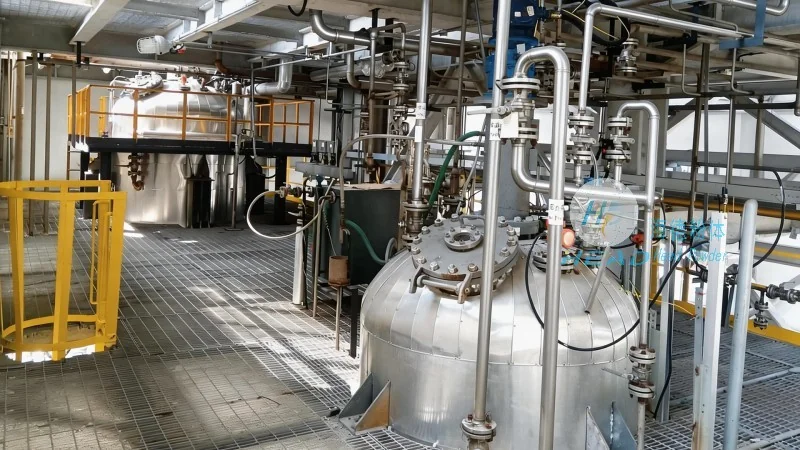
- Pharmaceutical and Food Industries: In these sectors, the handling of bentonite must adhere to stringent hygiene and safety standards. Pneumatic conveying systems offer a dust-free and contamination-free method of transporting bentonite, ensuring compliance with regulatory requirements. The systems are designed with materials that are food-grade or pharmaceutical-grade, and are equipped with features such as air filtration and particle size control to maintain product quality.
- Oil and Gas Sector: Bentonite is widely used in drilling operations as a drilling fluid additive. Pneumatic conveying systems are employed to transport bentonite from storage silos to the drilling site, ensuring a consistent supply of the material. The systems are built to withstand harsh environmental conditions and are capable of handling high volumes of material with minimal downtime.
- Construction Materials Industry: Bentonite is used in the production of cement, mortar, and other construction materials. Pneumatic conveying systems facilitate the efficient transfer of bentonite from raw material storage to mixing plants, improving production efficiency and reducing labor costs. The systems are designed to handle bulk quantities of fine powders, ensuring a smooth and continuous flow.
- Environmental and Waste Management: Bentonite is used in the treatment of industrial waste and in the stabilization of contaminated soils. Pneumatic conveying systems are utilized to transport bentonite to treatment facilities or to the sites where it is applied. The systems are equipped with features that ensure the material is handled in an environmentally friendly manner, minimizing the risk of dust emissions and contamination.
Advantages of Bentonite Pneumatic Conveying Systems
Implementing pneumatic conveying systems for bentonite offers several advantages over traditional methods such as belt conveyors or bucket elevators. These include:
- Efficiency and Speed: Pneumatic systems can transport bentonite at high speeds, reducing the overall processing time and increasing production throughput.
- Dust-Free Operation: Unlike mechanical systems, pneumatic conveying systems do not generate dust, improving workplace safety and reducing the risk of respiratory issues among workers.
- Space Efficiency: Pneumatic systems require less floor space compared to traditional conveyors, making them suitable for facilities with limited space.
- Low Maintenance: With fewer moving parts, pneumatic systems have lower maintenance requirements and longer service life, resulting in reduced operational costs.
- Flexibility: Pneumatic conveying systems can be easily customized and reconfigured to accommodate changes in production requirements or layout adjustments.
Conclusion
Bentonite pneumatic conveying systems represent a sophisticated and efficient solution for the transportation of bentonite in various industrial applications. The classification of these systems, based on pressure principles, allows for the selection of the most appropriate technology for specific operational needs. Companies like Shandong HeadPowder Engineering Co., Ltd. play a crucial role in designing and implementing these systems, ensuring that industries can benefit from the advantages of pneumatic conveying, including improved efficiency, safety, and cost-effectiveness. As the demand for reliable material handling solutions continues to grow, the role of bentonite pneumatic conveying systems will remain vital in supporting industrial processes worldwide.

 Shandong Headpowder Engineering Co., Ltd.
 156-6277-7102(Manager Zhang)
  0531-83386006
  Zhangqiu District, Jinan City, Shandong Province, China