With more than 10‑year industry experience, Shandong Headpowder delivers full‑service pneumatic‑conveying systems and blowers, undertaking nationwide turn‑key powder‑handling projects.
Ricedough pneumatic conveying systems are essential in modern material handling, offering efficient and flexible solutions for transporting granular or powder materials like ricedough. The technology has evolved significantly, leading to various classifications based on operational principles, system design, and application requirements. Understanding these classifications and their practical applications is crucial for selecting the most suitable system for specific industrial needs.

There are primarily two main categories of pneumatic conveying systems: pressure and vacuum systems. Each type operates on different principles and is suited to different material characteristics and process requirements.
Pressure systems use compressed air or other gases to push material through a pipeline. They are commonly used for transporting materials over longer distances or against gravity. In the context of ricedough, pressure systems are particularly effective when dealing with high-density or abrasive materials that require consistent flow and pressure control. The system typically includes a blower, a hopper for material storage, and a pipeline network that directs the material to the destination. The compressed air is introduced at the start of the pipeline, creating a positive pressure that propels the ricedough particles forward. This method ensures minimal product degradation and is ideal for applications where the material needs to be delivered to multiple points or over significant vertical distances.
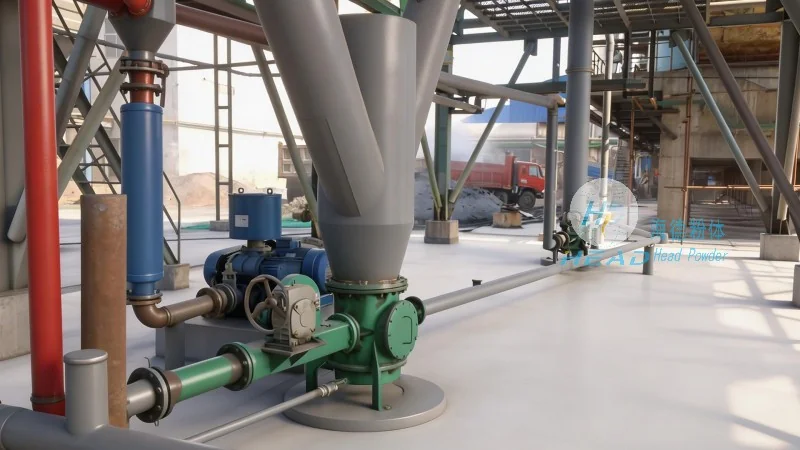
Vacuum systems, on the other hand, use a vacuum to draw material from a source into a pipeline. They are well-suited for short-distance or horizontal transport, often used in environments where the material needs to be collected from various points and conveyed to a central processing unit. For ricedough, vacuum systems are advantageous when dealing with light or fine powders that might be prone to dust or require gentle handling. The system operates by creating a negative pressure at the inlet, which pulls the ricedough particles into the pipeline. This method is particularly useful in food processing industries where maintaining product purity and minimizing contamination is paramount. The vacuum is generated by a vacuum pump, and the system includes a collection hopper and a pipeline that directs the material to the processing area.
The choice between pressure and vacuum systems depends on several factors, including the material's physical properties, the distance and elevation changes, and the desired flow rate. For instance, in large-scale ricedough production facilities, pressure systems are often preferred for their ability to handle high volumes and long transport distances efficiently. They are commonly used in the transportation of ricedough from storage silos to processing lines, ensuring a continuous and uninterrupted supply. Conversely, vacuum systems are more suitable for applications requiring gentle handling of delicate ricedough particles, such as in the transfer of ricedough from mixing tanks to packaging units. The vacuum method minimizes particle breakage and maintains the product's quality, which is critical in food processing.
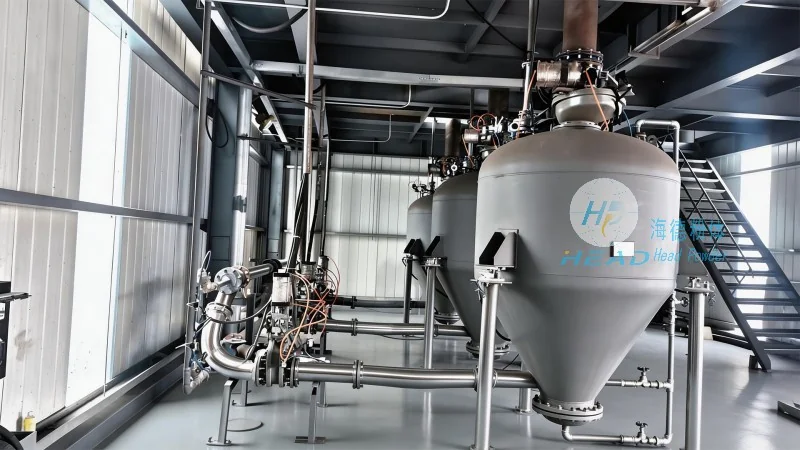
When designing a ricedough pneumatic conveying system, several key factors must be considered to ensure optimal performance and efficiency. These include the material's flowability, moisture content, and particle size distribution, as these characteristics directly impact the system's design and operational parameters. The system must be able to handle the specific properties of ricedough, which may vary based on the production process and storage conditions. Additionally, the choice of pipeline material and diameter is critical. Stainless steel is often preferred due to its corrosion resistance and ability to maintain product purity, especially in food processing applications. The pipeline design must also account for the pressure drop and velocity of the conveying medium to ensure smooth material flow without excessive energy consumption.
Despite their benefits, pneumatic conveying systems for ricedough come with both advantages and challenges. The primary advantages include the ability to transport materials in a closed system, which reduces dust emissions and improves safety in the workplace. This is particularly important in food processing industries where hygiene and product quality are top priorities. Additionally, pneumatic systems offer flexibility in terms of layout and can be easily integrated into existing production lines. They also provide a continuous and automated material handling solution, reducing labor costs and increasing operational efficiency.
However, challenges such as system maintenance, energy consumption, and material degradation must be addressed. Regular maintenance of the blower, vacuum pump, and pipeline components is necessary to ensure the system operates efficiently and prevents downtime. Energy consumption is another consideration, as pneumatic systems can be energy-intensive, especially when operating at high pressures or vacuum levels. Material degradation, particularly in vacuum systems, can occur if the conveying velocity is too high or the pipeline is not properly designed, leading to particle breakage and reduced product quality.
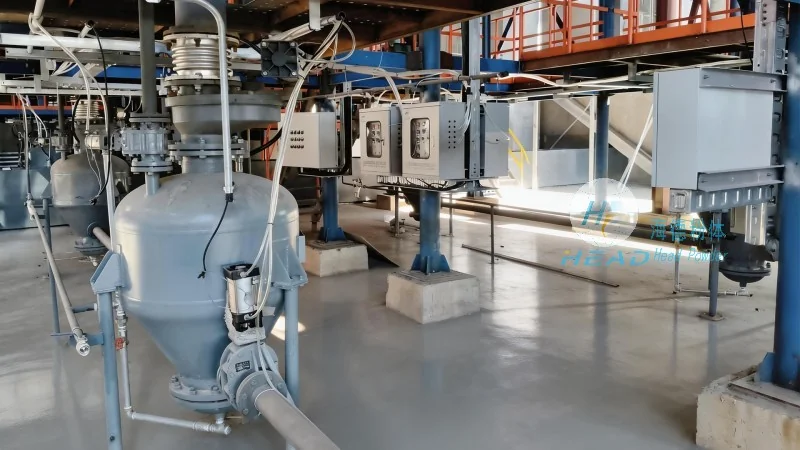
Shandong HeadPowder Engineering Co., Ltd., a leading manufacturer of pneumatic conveying systems, has successfully implemented both pressure and vacuum systems in ricedough production facilities. One notable case involved a large-scale ricedough processing plant that required the transport of ricedough from storage silos to a central processing unit over a distance of 200 meters with a vertical rise of 15 meters. The company recommended a pressure pneumatic system, which was installed and commissioned by their technical team. The system was designed to handle the high density and abrasive nature of the ricedough, ensuring consistent flow and minimal product degradation. The client reported significant improvements in production efficiency, with a reduction in labor costs and an increase in output capacity. Another application involved a smaller facility where the ricedough needed to be transferred from mixing tanks to packaging units over short horizontal distances. A vacuum system was implemented, which was gentle on the delicate ricedough particles and maintained product purity. The system was customized to meet the client's specific requirements, including the integration of a dust collection system to comply with environmental regulations.
Ricedough pneumatic conveying systems play a vital role in modern material handling, offering efficient and flexible solutions for transporting ricedough and similar materials. The classification of these systems into pressure and vacuum types allows for tailored solutions based on specific operational and application requirements. By understanding the advantages and challenges of each system, industries can select the most appropriate technology to enhance their production processes. Companies like Shandong HeadPowder Engineering Co., Ltd. provide comprehensive solutions, including system design, installation, and maintenance, ensuring that clients achieve optimal performance and efficiency in their ricedough processing operations.

 Shandong Headpowder Engineering Co., Ltd.
 156-6277-7102(Manager Zhang)
  0531-83386006
  Zhangqiu District, Jinan City, Shandong Province, China
telephone
WeChatconsult
top