With more than 10‑year industry experience, Shandong Headpowder delivers full‑service pneumatic‑conveying systems and blowers, undertaking nationwide turn‑key powder‑handling projects.
HeadPowder, a leading provider of pneumatic conveying solutions, specializes in the efficient handling of limestone powder through advanced pneumatic systems. This article explores the fundamentals of limestone powder pneumatic conveying, outlines the key classifications of pneumatic conveying systems, and discusses practical applications in various industries.
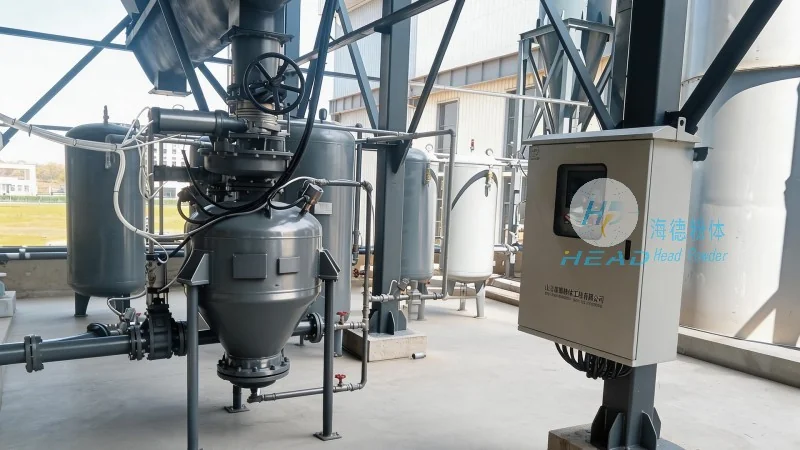
Limestone powder pneumatic conveying involves the transport of fine limestone particles using a pressurized air or gas stream. This method is widely adopted due to its ability to handle dusty, abrasive, or hazardous materials without the need for mechanical components like belts or buckets. The process typically includes a feeding device, a conveying line, and a discharge mechanism, all designed to maintain material integrity and system efficiency.
Key advantages of limestone powder pneumatic conveying include minimal material degradation, reduced contamination risk, and the capacity to handle materials with high moisture content or varying particle sizes. The system operates by creating a vacuum or pressure differential that propels the powder through the pipeline, ensuring a continuous and controlled flow. This approach is particularly beneficial for industries requiring precise material transfer, such as chemical processing, mining, and construction.
Pneumatic conveying systems are categorized based on the pressure differential used to move material. The two primary types are pressure and vacuum systems. Pressure systems utilize compressed air to force material through the pipeline, while vacuum systems create a negative pressure to draw material from the source.
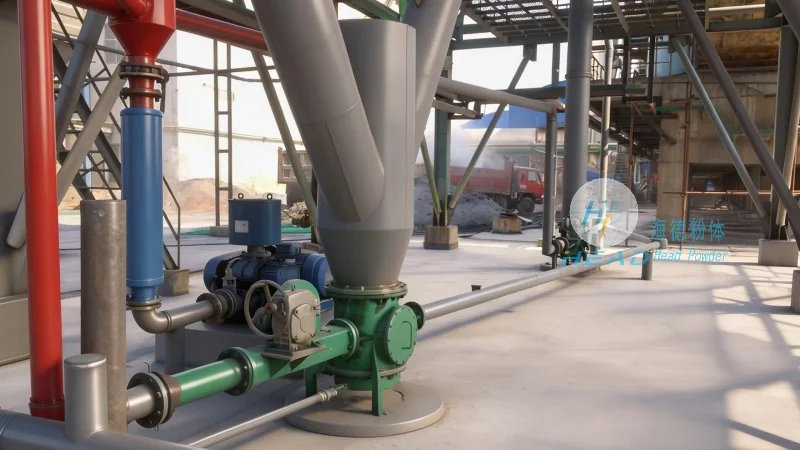
Within these categories, further classifications exist based on the conveying method and system design. For example, pressure systems may be divided into positive displacement and dilute phase systems. Positive displacement systems use a pump to deliver a fixed volume of air, ensuring consistent material flow, whereas dilute phase systems rely on high-velocity air to suspend particles, making them suitable for long-distance transport.
Vacuum systems, on the other hand, are often used for short-distance or low-volume applications. They are typically classified as low-velocity or high-velocity systems, depending on the air velocity and particle suspension characteristics. Low-velocity vacuum systems are ideal for handling fine powders that are prone to caking or agglomeration, as they minimize particle impact and maintain material stability.
Limestone powder pneumatic conveying is extensively used in the production of cement, where limestone is a primary raw material. The system efficiently transports limestone from storage silos to grinding mills, ensuring a steady supply of raw material for the cement manufacturing process. This method reduces downtime and improves operational efficiency by eliminating the need for manual handling or mechanical conveyors.
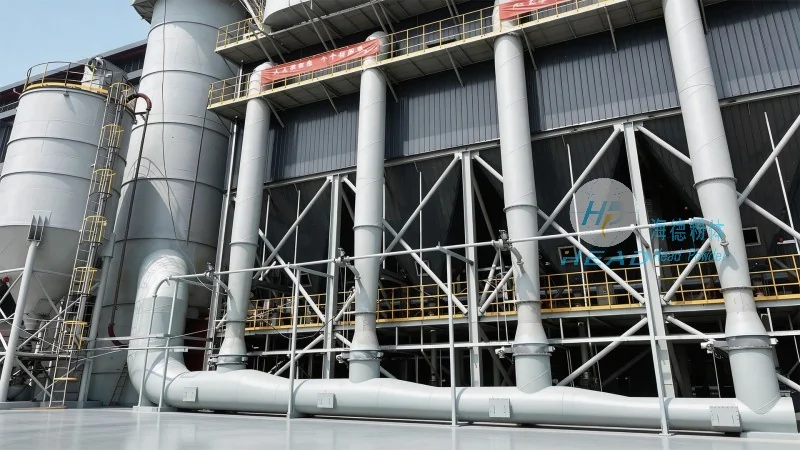
In the chemical industry, limestone powder is used as a filler or neutralizer in various products. Pneumatic conveying enables the precise transfer of limestone powder to mixing tanks or reactors, maintaining consistent product quality and reducing the risk of contamination. This is crucial for applications where material purity is critical, such as in the production of pharmaceuticals or specialty chemicals.
Additionally, in the mining sector, limestone powder is used for acid neutralization or as a raw material in mineral processing. Pneumatic systems facilitate the transport of limestone from mining sites to processing facilities, ensuring safe and efficient material handling. The ability to handle abrasive and dusty materials without equipment wear makes pneumatic conveying a preferred choice in mining operations.
HeadPowder Engineering Co., Ltd., based in Shandong, China, specializes in providing customized pneumatic conveying solutions for limestone powder applications. By leveraging advanced technology and industry expertise, the company ensures reliable and efficient material transport, meeting the diverse needs of clients across various industries. The classification and application of pneumatic conveying systems highlight the versatility and effectiveness of this method in handling limestone powder, making it an essential technology in modern material processing.

 Shandong Headpowder Engineering Co., Ltd.
 156-6277-7102(Manager Zhang)
  0531-83386006
  Zhangqiu District, Jinan City, Shandong Province, China
telephone
WeChatconsult
top