With more than 10‑year industry experience, Shandong Headpowder delivers full‑service pneumatic‑conveying systems and blowers, undertaking nationwide turn‑key powder‑handling projects.
Wood fiber pneumatic conveying systems represent a sophisticated and efficient method for transporting bulk materials, particularly in industrial applications involving wood-based products. This technology is crucial for industries such as paper manufacturing, wood processing, and biomass energy production, where the reliable and clean transfer of wood fibers is essential for operational efficiency and product quality.
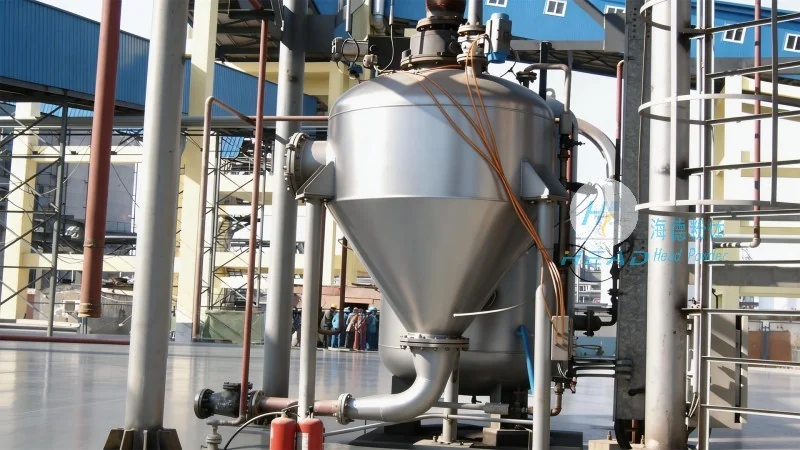
Pneumatic conveying, also known as air conveying, is a process that uses compressed air or other gases to transport solid materials through a pipeline. The system typically consists of a material feed hopper, a conveying line, a receiver, and a dust collection system. The core principle involves creating a pressure differential to move the material from the source to the destination. For wood fibers, this method offers advantages over traditional mechanical conveying, including reduced material degradation, lower maintenance requirements, and the ability to handle fine or dusty particles without the need for additional equipment like belts or buckets.
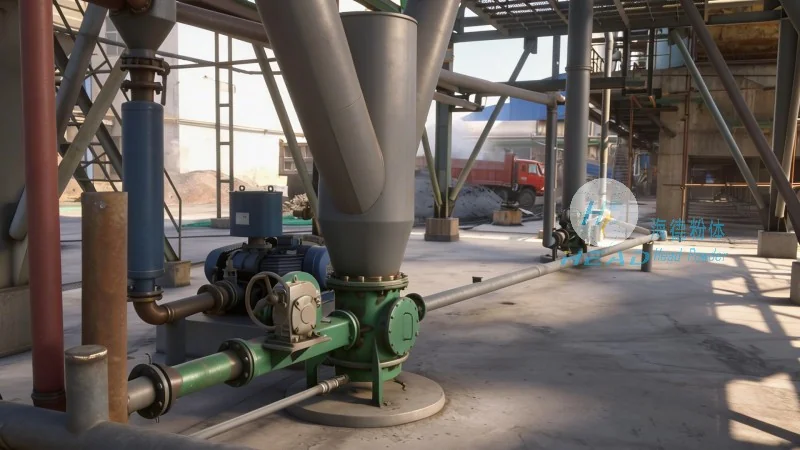
The effectiveness of a wood fiber pneumatic conveying system depends on several critical components. The material feed hopper is designed to store and feed the wood fibers into the conveying line at a controlled rate. This ensures a consistent flow, preventing blockages and maintaining system efficiency. The conveying line itself is usually made of materials resistant to corrosion and abrasion, such as stainless steel or specialized plastic, to withstand the wear from wood fibers. The receiver, where the material is deposited, is equipped with a dust collection system to capture any fine particles and maintain a clean working environment. Additionally, the system includes a pressure control unit that regulates the air pressure, ensuring optimal performance and preventing damage to the equipment.
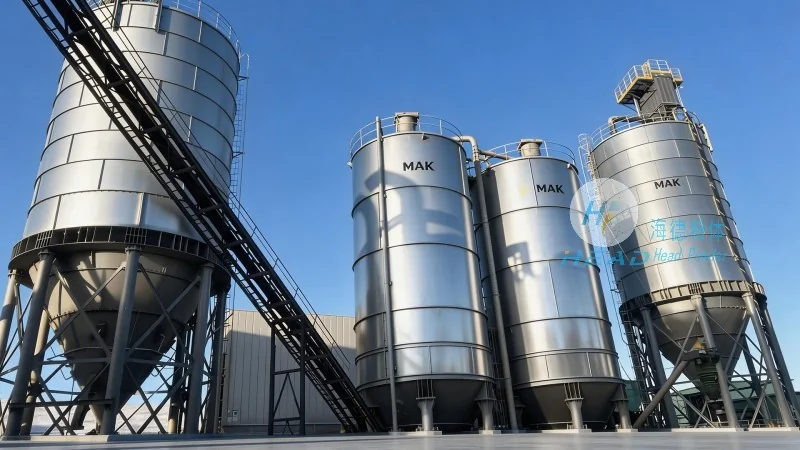
The working principle of a wood fiber pneumatic conveying system involves several steps. First, the wood fibers are fed into the hopper. Then, compressed air is introduced into the conveying line, creating a high-velocity air stream. This air stream lifts and transports the wood fibers through the pipeline. The material is then deposited into the receiver at the end of the line. The pressure differential between the hopper and the receiver drives the material movement. The system can operate in either positive pressure (where air is forced through the line) or negative pressure (where air is drawn out), depending on the application and material characteristics. For wood fibers, positive pressure is often preferred as it provides better control over the material flow and reduces the risk of dust accumulation.
Wood fiber pneumatic conveying systems are widely used in various industrial applications. In the paper industry, they are used to transport wood chips from storage to the pulping process. In wood processing facilities, they help move sawdust and wood shavings from the cutting area to storage or processing units. Additionally, in biomass energy plants, these systems are used to transport wood pellets or chips to the combustion or gasification equipment. The benefits of using pneumatic conveying for wood fibers include improved safety, as there are no moving parts in direct contact with the material, reduced labor costs due to automated material handling, and enhanced product quality by minimizing material damage and contamination.
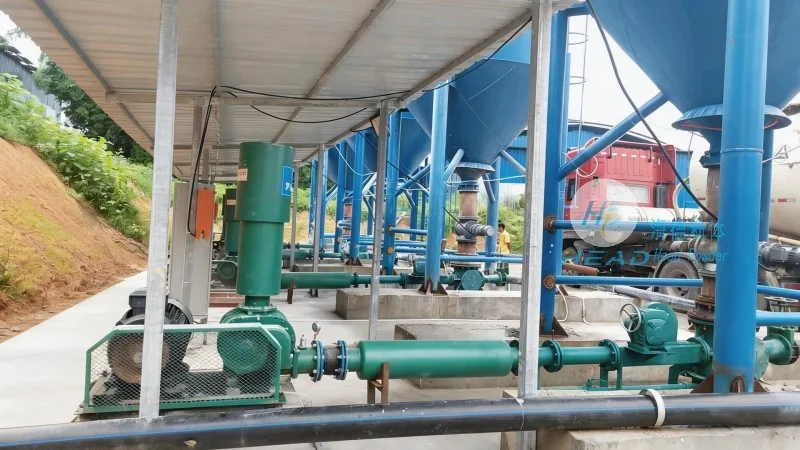
Shandong HeadPowder Engineering Co., Ltd., commonly known as HeadPowder, is a leading manufacturer and supplier of pneumatic conveying systems and related equipment. With a focus on innovation and quality, the company specializes in designing and producing customized solutions for various industrial applications. HeadPowder's expertise lies in understanding the unique challenges of handling wood fibers and other bulk materials, and developing systems that meet the specific needs of each client. The company's facilities are located in Shandong, China, where it operates a state-of-the-art manufacturing and research center. HeadPowder is committed to providing reliable, efficient, and cost-effective solutions to its customers, ensuring that their pneumatic conveying systems operate at peak performance for years to come.

 Shandong Headpowder Engineering Co., Ltd.
 156-6277-7102(Manager Zhang)
  0531-83386006
  Zhangqiu District, Jinan City, Shandong Province, China
telephone
WeChatconsult
top