With more than 10‑year industry experience, Shandong Headpowder delivers full‑service pneumatic‑conveying systems and blowers, undertaking nationwide turn‑key powder‑handling projects.
For industries dealing with fine sand and gravel, understanding the components of a pneumatic conveying system is crucial for efficient material handling. The system's design and components are tailored to handle the specific characteristics of these materials, ensuring reliable and continuous operation. This article explores the key components that make up a fine sand and gravel pneumatic conveying system, providing insights into how each part contributes to the overall functionality.
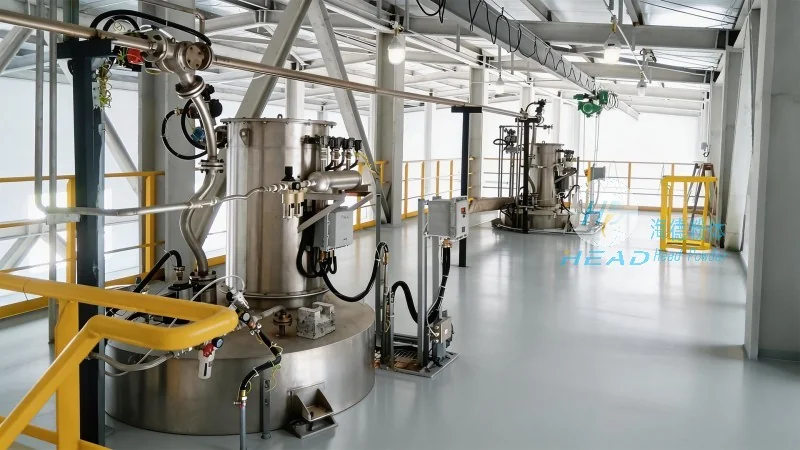
The core components of a fine sand and gravel pneumatic conveying system are designed to manage the material's flow, air pressure, and separation processes. Each component plays a vital role in the system's performance and efficiency. The primary components typically include the following:
The material feeder is the initial component that introduces fine sand or gravel into the conveying system. It is responsible for feeding the material at a controlled rate into the system, ensuring a consistent flow. For fine materials, a screw feeder or a rotary valve is commonly used to prevent material bridging and ensure smooth feeding. This component is critical as it directly affects the system's throughput and the uniformity of material delivery.
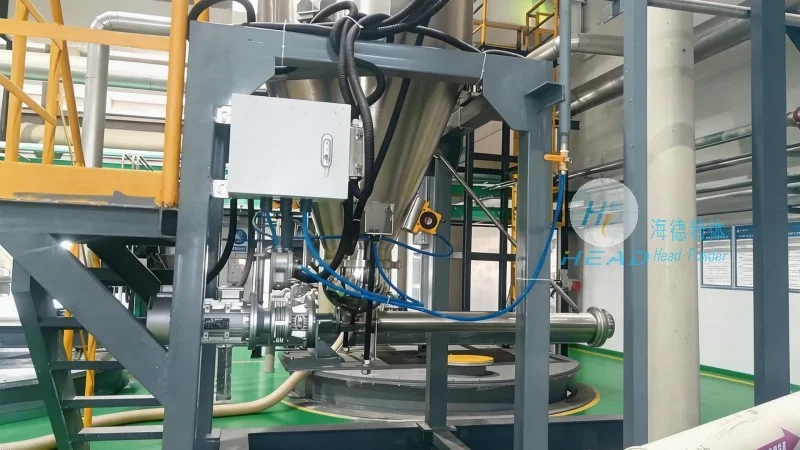
The air supply system provides the necessary air pressure and volume to move the material through the conveying lines. It typically consists of a blower or a compressor, along with air treatment equipment such as filters and dryers. The air supply must be clean and dry to prevent contamination of the fine sand or gravel, which could affect downstream processes. The system's capacity is matched to the material's specific gravity and particle size to ensure effective transport.
The conveying pipeline is the main channel through which the material and air travel. It is usually made of stainless steel or other corrosion-resistant materials to withstand the abrasive nature of fine sand and gravel. The pipeline design, including bends and elbows, is optimized to minimize pressure loss and maintain the material's velocity. Proper pipeline sizing and layout are essential to avoid blockages and ensure the material reaches the destination without degradation.
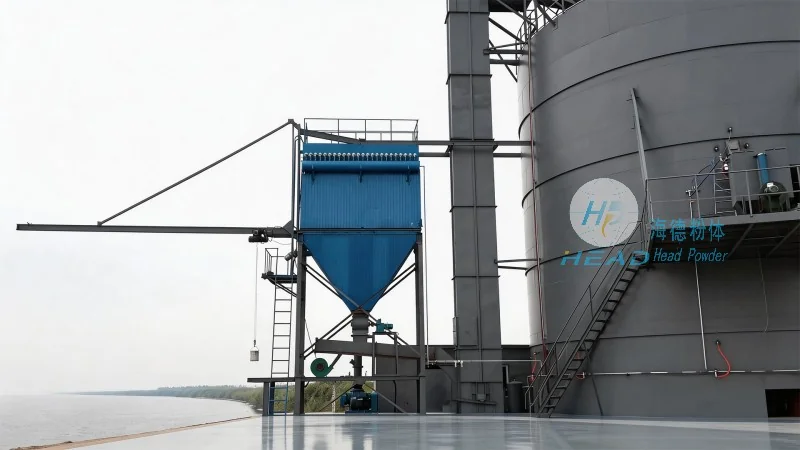
At the receiving end, separation and collection equipment are used to separate the material from the air and collect it in a designated container. This typically includes a cyclone separator or a baghouse filter, depending on the system's requirements. The separation process is critical to recover the material efficiently and maintain air quality. The collection equipment must be capable of handling the fine particles without causing dust emissions or material loss.
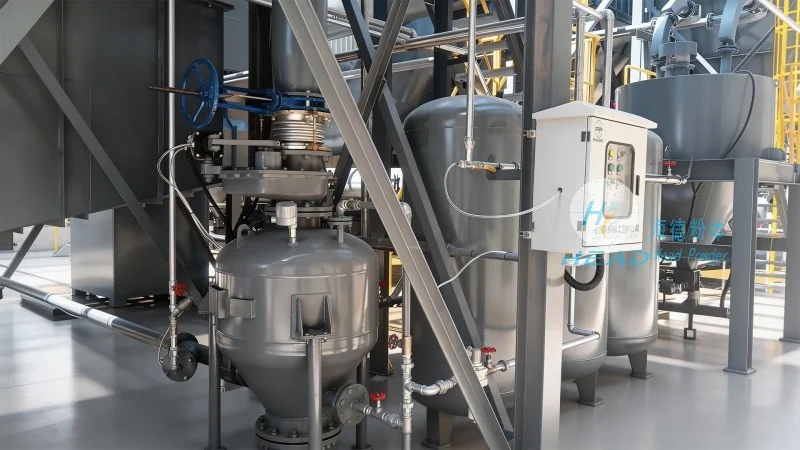
Modern fine sand and gravel pneumatic conveying systems incorporate control and monitoring systems to ensure optimal operation. These systems may include pressure sensors, flow meters, and control valves that regulate the air pressure and material flow. Real-time monitoring allows operators to detect any issues, such as blockages or pressure drops, and take corrective actions promptly. This component enhances the system's reliability and reduces downtime.
Shandong HeadPowder Engineering Co., Ltd., based in Shandong, China, specializes in the design, manufacturing, and installation of pneumatic conveying systems for various industries. With years of experience, the company provides customized solutions tailored to the specific needs of clients handling fine sand and gravel. Their expertise in material handling technology ensures that the components of the conveying system are optimized for efficiency and durability. The company's commitment to quality and customer satisfaction has made it a trusted partner in the industry.

 Shandong Headpowder Engineering Co., Ltd.
 156-6277-7102(Manager Zhang)
  0531-83386006
  Zhangqiu District, Jinan City, Shandong Province, China
telephone
WeChatconsult
top