

Components of Lime Powder Pneumatic Conveying
Lime powder, a critical material in diverse industrial applications, often requires efficient and reliable transportation methods to ensure optimal performance in processing and manufacturing. Pneumatic conveying systems have emerged as a preferred solution for handling lime powder due to their ability to transport bulk materials over distances with minimal loss and contamination. Understanding the components that constitute a lime powder pneumatic conveying system is essential for selecting the right equipment and ensuring smooth operation in industrial settings.
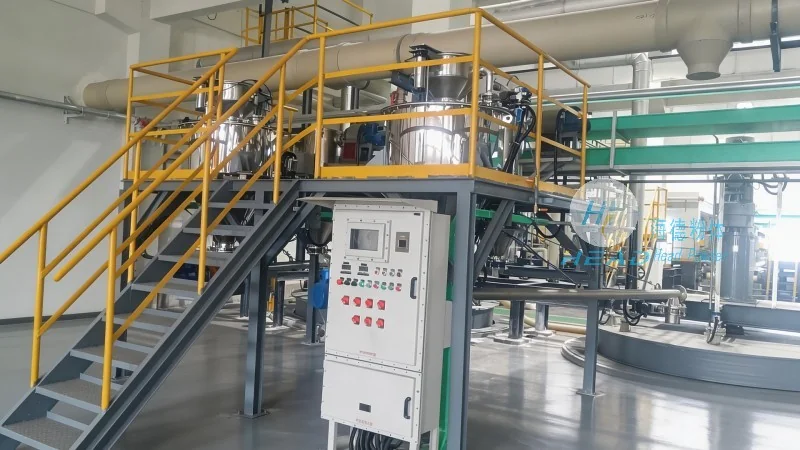
Key Components of a Pneumatic Conveying System for Lime Powder
The core components of a lime powder pneumatic conveying system are engineered to work in synergy to facilitate the movement of the material from the source to the destination. These components include the material feed hopper, which is responsible for storing and feeding the lime powder into the system. The feed hopper is typically equipped with a rotary valve or a star feeder to control the flow rate and prevent blockages, ensuring a consistent supply of material.
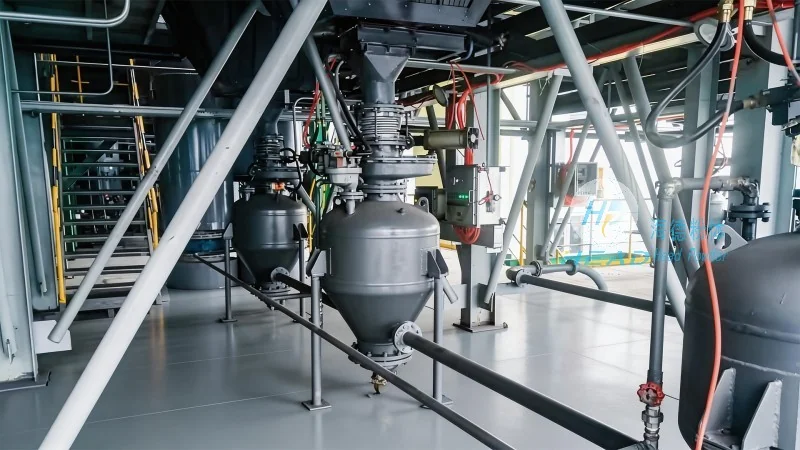
Next, the conveying line, which can be either a positive or negative pressure system, is a critical part of the setup. Positive pressure systems use a blower or a compressor to push the material through the pipeline, while negative pressure systems use a vacuum pump to draw the material. The choice between these systems depends on factors such as the distance to be covered, the material characteristics, and the desired flow rate. For lime powder, which can be abrasive and prone to dust, the conveying line is often made of high-quality materials like stainless steel or special alloys to withstand wear and prevent material degradation.
The material transport line, which consists of pipes and fittings, is another essential component. The design of the pipeline, including the diameter and the number of bends, affects the pressure drop and the overall efficiency of the system. Properly sized and configured pipes minimize energy consumption and ensure that the material reaches the destination without excessive pressure loss. Additionally, the use of smooth, non-stick surfaces in the pipeline helps prevent lime powder buildup and reduces maintenance requirements.
At the receiving end, the material is typically discharged into a silo or a storage bin. The discharge unit, which may include a rotary valve or a gate valve, controls the release of the lime powder from the conveying line. This component is crucial for preventing backflow and ensuring that the material is deposited in the desired location. The discharge unit is often designed to handle the specific characteristics of lime powder, such as its flowability and potential for caking, to maintain a consistent discharge rate.
Control and monitoring systems are also integral to the operation of a lime powder pneumatic conveying system. These systems include sensors for pressure, flow rate, and material level, as well as control panels that allow operators to monitor and adjust the system parameters in real-time. By providing accurate data on the system's performance, these controls help identify potential issues early and prevent downtime. For example, pressure sensors can detect blockages in the pipeline, while flow sensors can indicate changes in the material feed rate, allowing for immediate adjustments to maintain optimal operation.
Role of HeadPowder in Pneumatic Conveying Solutions
Shandong HeadPowder Engineering Co., Ltd., a leading provider of industrial conveying solutions, specializes in designing and manufacturing customized pneumatic conveying systems for lime powder and other bulk materials. With years of experience in the industry, HeadPowder understands the unique challenges associated with handling lime powder, such as its reactivity and tendency to form clumps. The company's expertise lies in developing tailored solutions that address these challenges and ensure efficient, safe, and reliable material transport.
HeadPowder's approach to pneumatic conveying systems involves a comprehensive understanding of the customer's specific requirements. The company works closely with clients to assess their operational needs, including the volume of material to be transported, the distance between the source and destination, and the environmental conditions. Based on this assessment, HeadPowder engineers design a system that meets the exact specifications, ensuring that the components are optimized for the particular application.
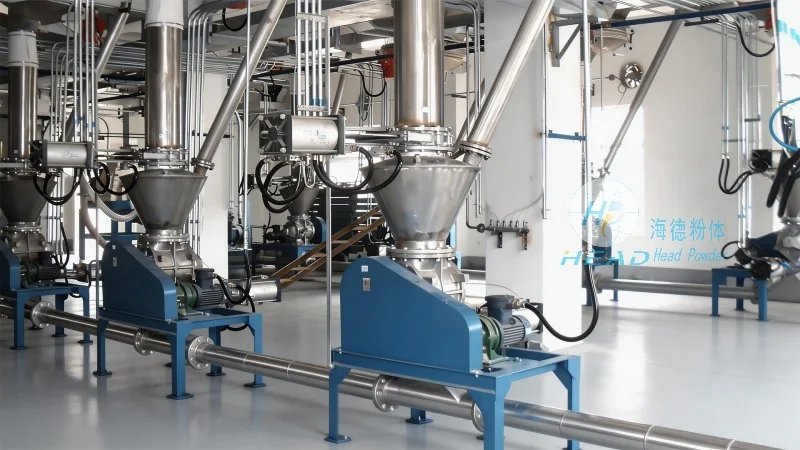
The company's product portfolio includes a range of components, from feed hoppers and conveying lines to discharge units and control systems. All components are manufactured using high-quality materials and advanced technologies to ensure durability and performance. For example, the feed hoppers are designed with anti-caking mechanisms to prevent material buildup, while the conveying lines are equipped with wear-resistant coatings to extend their service life. HeadPowder also provides maintenance and support services to ensure that the systems operate at peak efficiency throughout their lifespan.
By leveraging its expertise and commitment to quality, Shandong HeadPowder Engineering Co., Ltd. has established itself as a trusted partner for businesses in need of reliable pneumatic conveying solutions. The company's focus on customer satisfaction and technical excellence has led to successful implementations in various industries, including chemical processing, food production, and construction. HeadPowder's solutions not only improve the efficiency of material handling but also contribute to cost savings and reduced downtime for its clients.
Conclusion: Ensuring Efficient and Reliable Lime Powder Conveying
In conclusion, the components of a lime powder pneumatic conveying system play a vital role in ensuring the smooth and efficient transport of this essential material. From the feed hopper to the discharge unit, each component is carefully designed and integrated to work together as a cohesive system. The choice of components, such as the type of conveying line and the material of construction, depends on the specific characteristics of the lime powder and the operational requirements of the application.
For businesses seeking to optimize their lime powder handling processes, partnering with a reputable provider like Shandong HeadPowder Engineering Co., Ltd. is a strategic decision. HeadPowder's expertise in designing and manufacturing customized pneumatic conveying systems ensures that the right components are selected and integrated to meet the unique needs of each client. By investing in a well-designed and maintained pneumatic conveying system, companies can enhance their operational efficiency, reduce costs, and improve the overall quality of their production processes.