With more than 10‑year industry experience, Shandong Headpowder delivers full‑service pneumatic‑conveying systems and blowers, undertaking nationwide turn‑key powder‑handling projects.
Pneumatic conveying systems are essential in various industrial processes for transporting bulk materials like pearl sand efficiently. The technology involves using air pressure to move particles through pipelines, offering advantages such as reduced contamination, lower maintenance, and the ability to handle a wide range of materials. This article provides an overview of the classification of pearl sand pneumatic conveying systems and their practical applications in industrial settings.
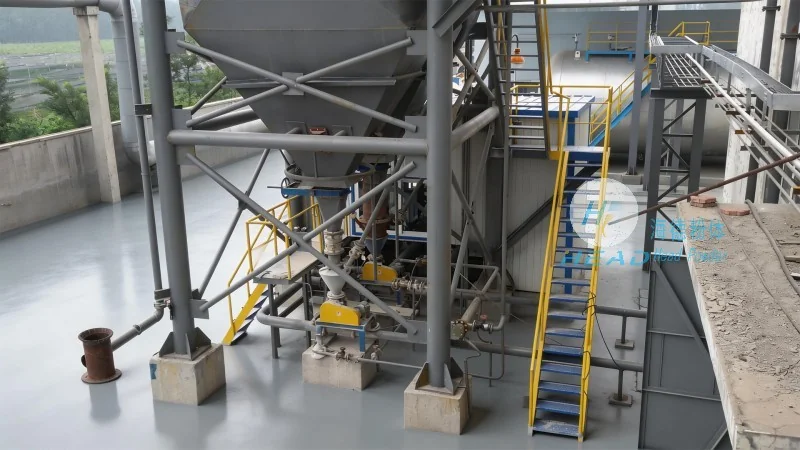
There are primarily two main categories of pneumatic conveying systems used for pearl sand: dilute phase and dense phase. Dilute phase systems operate at higher air velocities, typically transporting particles in a dispersed state, suitable for long-distance and high-volume applications. Dense phase systems, on the other hand, use lower air velocities and higher material concentrations, ensuring gentle handling and minimal product degradation, which is crucial for delicate materials like pearl sand.
Within these categories, subtypes exist based on the system's design and operational principles. For instance, pressure systems use compressed air to push material through pipelines, while vacuum systems use suction to draw material from a source. The choice between these depends on factors such as the distance to be covered, the material's characteristics, and the required flow rate. Additionally, the system's configuration, including the number of pipelines, the presence of cyclones or filters, and the control mechanisms, also influences its classification.
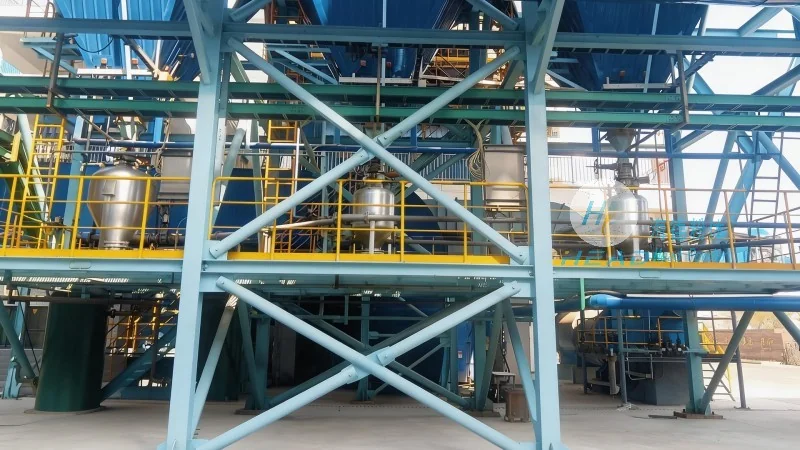
Understanding the core components of a pneumatic conveying system is vital for its effective operation. The system typically consists of a material hopper, a feeder, a conveying line, and a receiver. The material hopper stores the pearl sand, and the feeder regulates the flow into the system. The conveying line, often made of stainless steel or other corrosion-resistant materials, transports the material under pressure or vacuum. At the receiving end, a cyclone or filter separates the material from the air, ensuring the product is clean and free from contaminants.
The working principle involves introducing air into the system, either by a blower or compressor, to create the necessary pressure or vacuum. In dilute phase systems, the air velocity is high enough to keep the particles suspended, while in dense phase systems, the air velocity is lower, allowing the particles to settle in a slurry-like state. The system's efficiency and performance depend on the proper selection and integration of these components, ensuring optimal material transport without damage or loss.
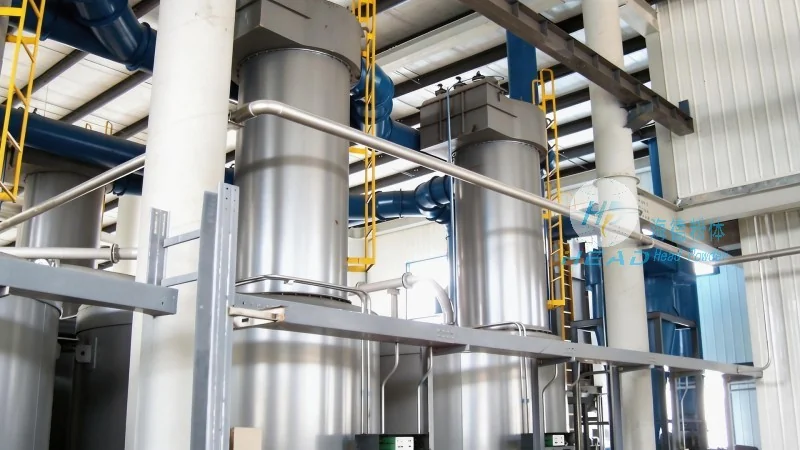
Pearl sand pneumatic conveying systems find extensive applications across various industries due to their versatility and efficiency. In the construction industry, they are used for transporting sand and other aggregates to construction sites, ensuring a consistent supply of materials. In the glass manufacturing sector, pearl sand is a critical raw material, and pneumatic conveying systems facilitate its transport from storage to production lines, maintaining quality and reducing downtime. Additionally, in the pharmaceutical and food industries, where product purity is paramount, these systems are preferred for their ability to handle delicate materials without contamination.
In the chemical industry, pearl sand is often used as a filler or abrasive, and pneumatic conveying systems enable its transport in chemical processing plants, ensuring safety and efficiency. The systems are also utilized in mining operations for transporting ore and other minerals, where long-distance and high-volume transport is required. Each application benefits from the system's ability to handle different particle sizes and densities, adapting to the specific needs of the industry.
Implementing a pneumatic conveying system for pearl sand offers several advantages. These include reduced labor costs due to automated material handling, lower energy consumption compared to traditional methods like trucks or conveyors, and improved safety by minimizing manual handling of bulk materials. Additionally, the systems are compact and can be integrated into existing industrial setups, making them a cost-effective solution for many businesses.
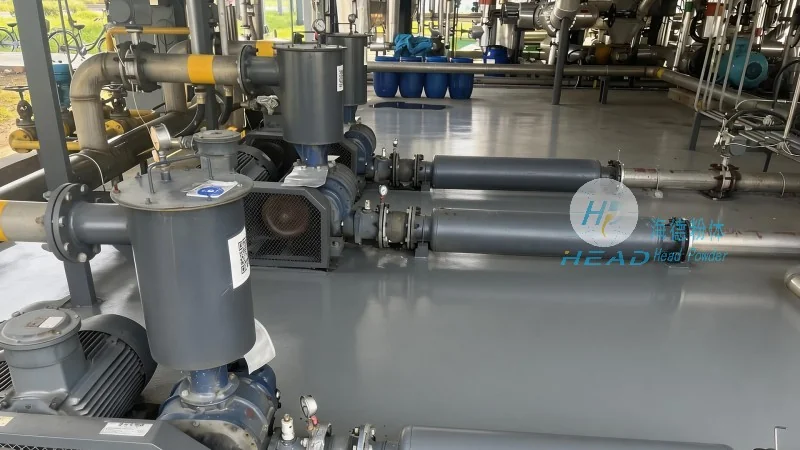
However, there are also considerations to keep in mind. The initial investment for a pneumatic conveying system can be higher than traditional methods, and maintenance requirements vary depending on the system's design and the material being transported. For pearl sand, which may have specific handling requirements due to its size or shape, the system's design must be optimized to prevent clogging or wear. Proper filtration and cleaning of the system are also essential to maintain performance and product quality over time.
Pneumatic conveying systems for pearl sand are a reliable and efficient solution for industrial material transport. By understanding the classification, components, and applications of these systems, industries can select the most appropriate technology to meet their specific needs. As technology advances, further improvements in system design and efficiency are expected, making pneumatic conveying an increasingly important part of bulk material handling in various sectors.

 Shandong Headpowder Engineering Co., Ltd.
 156-6277-7102(Manager Zhang)
  0531-83386006
  Zhangqiu District, Jinan City, Shandong Province, China
telephone
WeChatconsult
top