With more than 10‑year industry experience, Shandong Headpowder delivers full‑service pneumatic‑conveying systems and blowers, undertaking nationwide turn‑key powder‑handling projects.
When it comes to handling gypsum powder and dust efficiently in industrial applications, a specialized system is often required. The gypsum powder and dust pneumatic conveying system is a critical piece of equipment designed to transport these materials from one location to another with precision and reliability. This article explores what this system entails and the underlying design principles that make it effective.
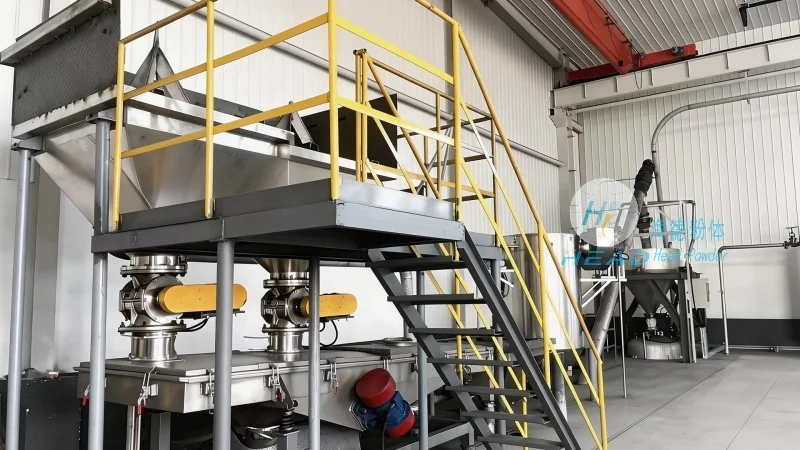
The gypsum powder and dust pneumatic conveying system is a technology used to move dry, fine materials like gypsum powder and dust through a pipeline using air or gas as the conveying medium. Unlike traditional mechanical conveying methods, this system relies on the force of air to transport the material, which can be particularly advantageous for materials that are prone to dust generation or are sensitive to mechanical stress. The system typically consists of several key components, including a material hopper, a feeder, a conveying pipeline, a separator, and a receiver. Each component plays a vital role in ensuring the smooth and efficient transfer of gypsum powder and dust.
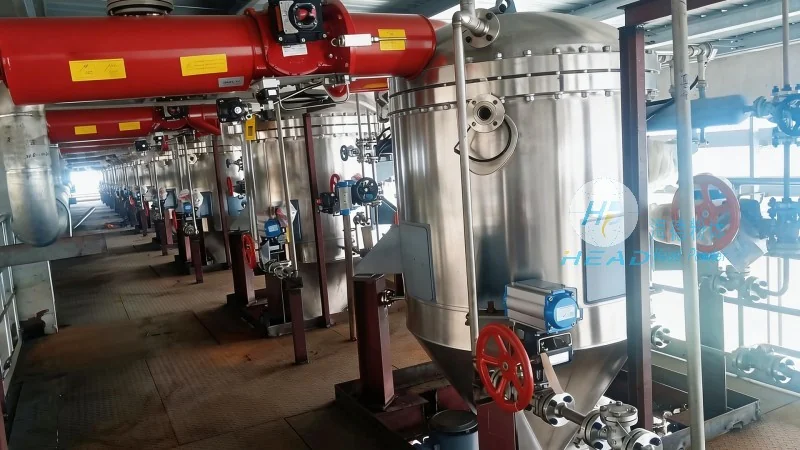
At the heart of the system is the material hopper, which serves as the storage container for the gypsum powder and dust. The hopper is designed to hold a sufficient quantity of material to maintain a consistent flow to the feeder. The feeder is responsible for controlling the rate at which the material is released into the conveying pipeline. There are different types of feeders, such as rotary valves or star feeders, which are chosen based on the specific characteristics of the gypsum powder and the required flow rate. The conveying pipeline is where the material is transported through the system. It is usually made of stainless steel or other corrosion-resistant materials to prevent contamination and ensure durability. The separator is a crucial component that separates the conveying air from the material at the end of the pipeline. This is typically achieved through a cyclone separator or a bag filter, which captures the dust and returns the clean air to the system or to the environment. Finally, the receiver is the container where the transported gypsum powder and dust are collected. It is designed to hold the material securely and prevent any spillage or leakage.
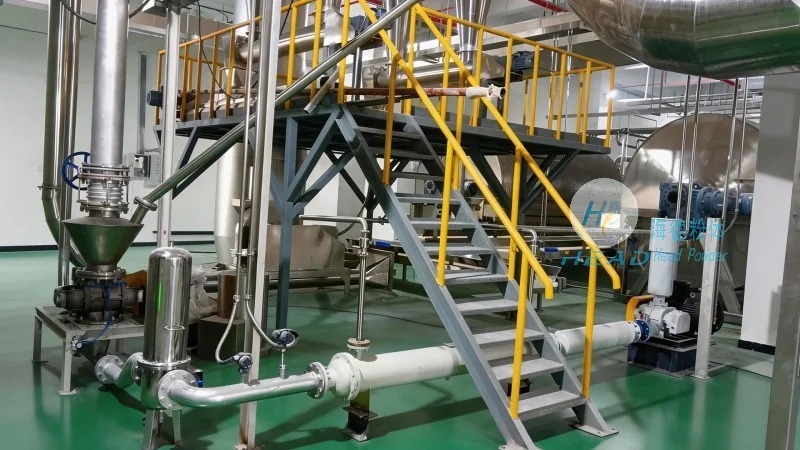
The design of a gypsum powder and dust pneumatic conveying system is based on several fundamental principles to ensure optimal performance. One of the primary principles is the balance between the conveying air velocity and the material's properties. The air velocity must be sufficient to lift and transport the material particles without causing excessive wear on the system components. The system's design also considers the material's density, particle size, and moisture content, as these factors can significantly impact the conveying efficiency. For example, finer particles may require higher air velocities to maintain a stable flow, while larger particles may need a different feeder design to ensure consistent feeding. Another important design principle is the system's pressure and flow rate. The system operates under either positive or negative pressure, depending on the application. Positive pressure systems are commonly used for short-distance conveying, while negative pressure systems are more suitable for longer distances or when handling dust that needs to be contained. The pressure and flow rate are carefully calculated to ensure that the material is conveyed at the desired speed without causing blockages or excessive energy consumption. Additionally, the system's design takes into account the need for maintenance and cleaning. Components such as the separator and the pipeline are designed to be easily accessible for cleaning and inspection, which helps to maintain the system's efficiency and longevity. The use of corrosion-resistant materials is also a key design consideration, as gypsum powder and dust can be abrasive and may contain chemicals that could damage the system over time.
The gypsum powder and dust pneumatic conveying system finds applications in various industries where the handling of fine materials is essential. In the construction industry, it is commonly used to transport gypsum powder to manufacturing facilities or construction sites. The system ensures that the material is delivered in a clean and dust-free manner, which is crucial for maintaining a safe working environment. In the pharmaceutical and food industries, the system is used to transport gypsum powder and dust for the production of various products, such as plaster or food additives. The system's ability to handle these materials without contamination makes it ideal for these applications. The benefits of using a pneumatic conveying system for gypsum powder and dust are numerous. One of the main advantages is the reduction in dust generation, which improves workplace safety and reduces the risk of respiratory issues for workers. The system also offers a more hygienic and efficient way to handle the material compared to traditional methods. Additionally, the system can be designed to handle different material types and flow rates, making it versatile and adaptable to various industrial needs. The use of a pneumatic conveying system can also lead to cost savings in terms of labor and equipment maintenance, as it reduces the need for manual handling and minimizes the risk of material loss or contamination.
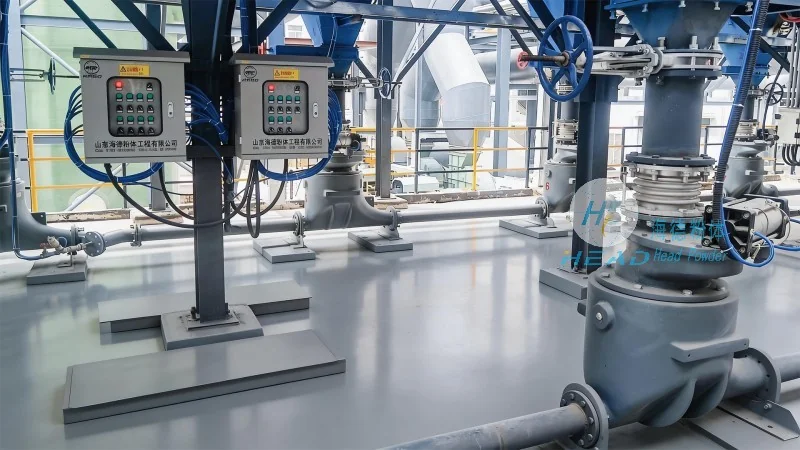
In conclusion, the gypsum powder and dust pneumatic conveying system is a sophisticated and efficient solution for handling fine materials in industrial settings. Its design is based on fundamental principles that ensure optimal performance, safety, and reliability. The system's components work together to transport gypsum powder and dust from one location to another with precision and minimal waste. For companies dealing with gypsum powder and dust, investing in a well-designed pneumatic conveying system can lead to significant improvements in productivity and operational efficiency. Shandong HeadPowder Engineering Co., Ltd., a leading provider of such systems, specializes in designing and manufacturing customized solutions tailored to the specific needs of their clients. With their expertise and commitment to quality, they offer reliable and efficient pneumatic conveying systems that meet the highest industry standards. Located in Shandong, China, the company has built a reputation for delivering innovative and durable equipment that enhances the performance of industrial processes. Whether it's for construction, pharmaceutical, or food applications, the gypsum powder and dust pneumatic conveying system from Shandong HeadPowder Engineering Co., Ltd. provides a robust and effective solution for material handling needs.

 Shandong Headpowder Engineering Co., Ltd.
 156-6277-7102(Manager Zhang)
  0531-83386006
  Zhangqiu District, Jinan City, Shandong Province, China
telephone
WeChatconsult
top