With more than 10‑year industry experience, Shandong Headpowder delivers full‑service pneumatic‑conveying systems and blowers, undertaking nationwide turn‑key powder‑handling projects.
Graphene pneumatic conveying systems represent a sophisticated technology in material handling, particularly for handling high-value and delicate materials like graphene itself. The classification of these systems is crucial for understanding their design principles and operational capabilities. There are primarily two main categories: dilute-phase and dense-phase pneumatic conveying systems, each tailored to different material properties and process requirements.
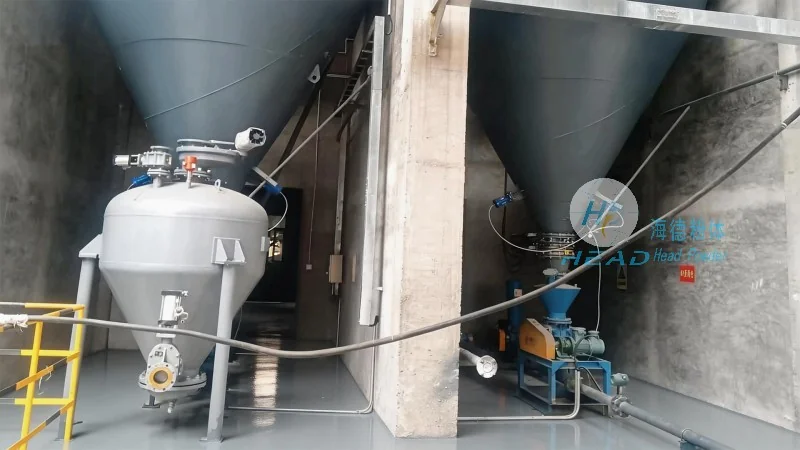
Dilute-phase systems operate by suspending the material in a high-velocity air stream, typically at velocities above 20 m/s. This method is suitable for fine powders with low bulk density, such as graphene powder, as it minimizes particle agglomeration and ensures efficient transport. The system consists of a blower, a hopper for material feeding, a conveying line, and a receiver for material discharge. The key advantage is its ability to handle long distances and high throughput, making it ideal for large-scale production facilities. However, it requires careful control of air pressure and flow to maintain particle suspension and prevent system blockages.
In contrast, dense-phase systems transport material in a low-velocity air stream, often at velocities below 10 m/s, with a higher material-to-air ratio. This approach is beneficial for handling cohesive or abrasive materials that are prone to caking or wear in dilute-phase systems. The material is typically fed into the conveying line under pressure, and the air is introduced in controlled bursts to create a plug flow. This method reduces particle degradation and equipment wear, making it suitable for sensitive materials like graphene. The system includes a positive displacement blower, a pressure vessel for material storage, and a controlled discharge mechanism. Dense-phase conveying is particularly effective for short to medium distances and for applications requiring precise material control, such as in research and development labs.
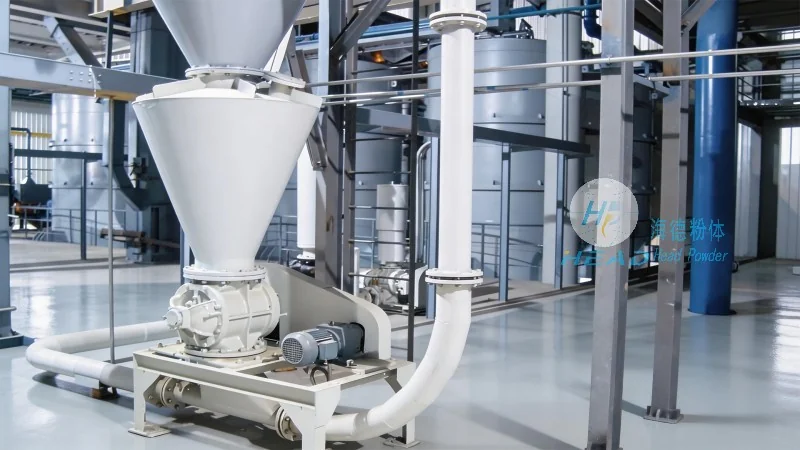
The application of graphene pneumatic conveying systems spans multiple industries, driven by the unique properties of graphene, including high strength, excellent electrical conductivity, and thermal stability. In the electronics industry, these systems are used to transport graphene powders for the production of flexible electronics, sensors, and conductive inks. The ability to maintain particle integrity during transport is critical here, as any agglomeration or degradation can affect the final product performance. In the battery industry, graphene is used as an additive to enhance electrode performance, and the pneumatic conveying system ensures that the material is delivered to the mixing and coating processes without contamination or loss.
Another significant application is in the chemical and pharmaceutical sectors, where graphene is used as a functional additive in coatings, composites, and drug delivery systems. The dense-phase conveying system is often preferred in these applications due to the need to handle materials with higher moisture content or those that are more prone to caking. The controlled pressure and flow in dense-phase systems help maintain the material's quality, ensuring consistent product output. For example, in the production of graphene-based polymer composites, the system can transport the graphene powder from the storage silo to the mixing equipment, maintaining its dispersion properties and preventing clumping.
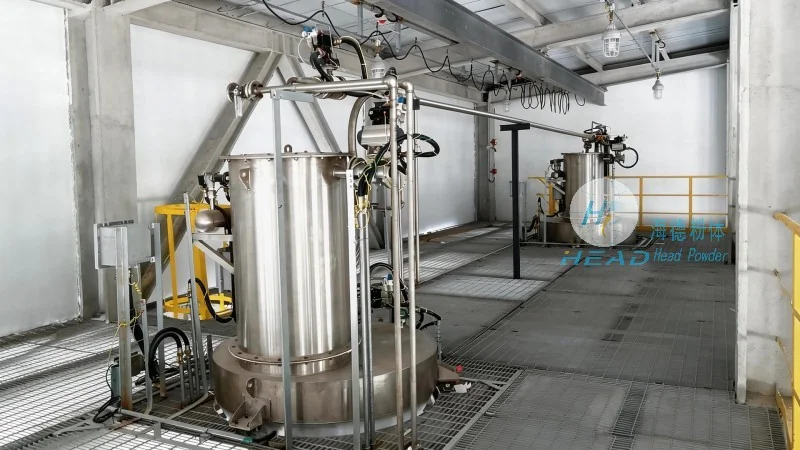
When selecting a graphene pneumatic conveying system, several factors must be considered to optimize performance and cost. The first is the material's physical properties, such as particle size, bulk density, and cohesive tendency. Dilute-phase systems are generally more cost-effective for large-scale, low-cost materials, while dense-phase systems offer better control for high-value or sensitive materials. The distance and layout of the conveying line also play a role, as dilute-phase systems are better suited for longer distances, whereas dense-phase systems are more efficient for shorter, more complex routes. Additionally, the system's energy consumption and maintenance requirements should be evaluated, as these can impact long-term operational costs.
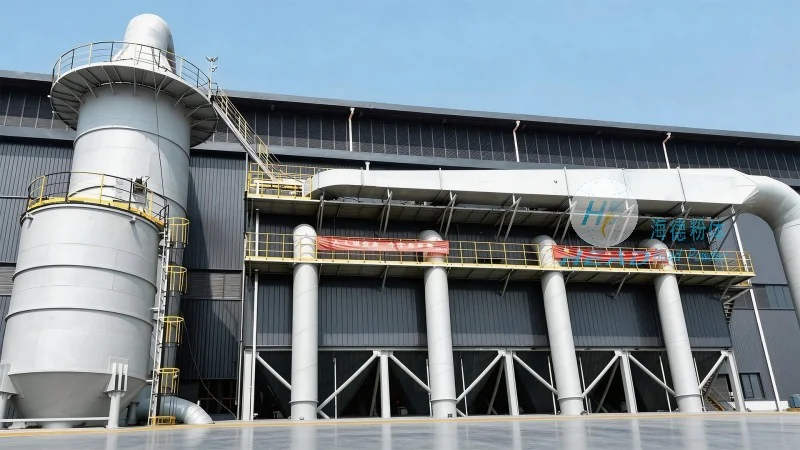
Shandong HeadPowder Engineering Co., Ltd., a leading provider in the field, specializes in designing and manufacturing customized graphene pneumatic conveying systems. With a focus on innovation and precision, the company ensures that each system is tailored to the specific needs of the client, whether it's for industrial-scale production or laboratory use. The company's expertise in material handling technology, combined with its understanding of graphene's unique characteristics, allows for the development of efficient and reliable conveying solutions. By integrating advanced control systems and durable components, HeadPowder's systems are designed to meet the highest standards of performance and safety, ensuring consistent material transport and minimal downtime.
The company's facilities are located in Shandong, China, where it leverages local resources and expertise to support its operations. With a commitment to quality and customer satisfaction, Shandong HeadPowder Engineering Co., Ltd. continues to advance the technology of graphene pneumatic conveying, providing solutions that enhance productivity and material integrity across various industries. Through continuous research and development, the company aims to address the evolving needs of the graphene market, ensuring that its systems remain at the forefront of material handling technology.

 Shandong Headpowder Engineering Co., Ltd.
 156-6277-7102(Manager Zhang)
  0531-83386006
  Zhangqiu District, Jinan City, Shandong Province, China
telephone
WeChatconsult
top