With more than 10‑year industry experience, Shandong Headpowder delivers full‑service pneumatic‑conveying systems and blowers, undertaking nationwide turn‑key powder‑handling projects.
For industrial applications requiring efficient material handling, synthetic fiber pneumatic conveying systems offer a reliable solution. These systems utilize air pressure to transport bulk materials, providing advantages such as low maintenance, flexibility, and the ability to handle a wide range of products. Understanding the core components and design principles of such systems is crucial for optimizing performance and ensuring operational efficiency.
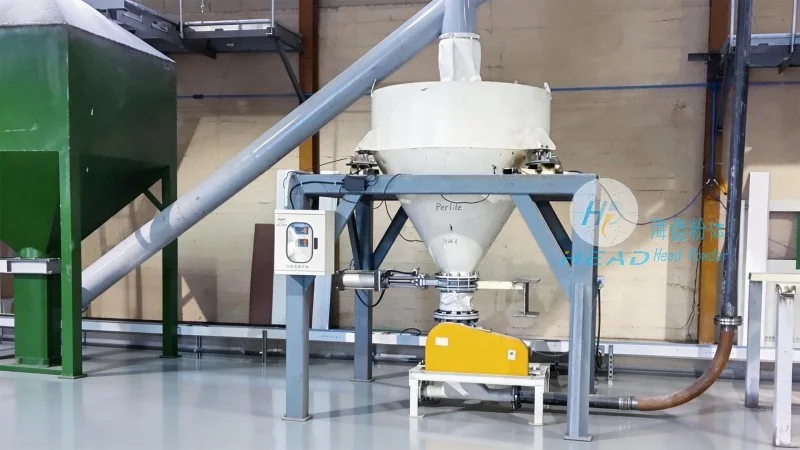
A synthetic fiber pneumatic conveying system is a type of pneumatic conveying equipment designed to transport dry bulk materials through a pipeline using compressed air. The system typically consists of a hopper for material storage, a feeder to control the flow rate, a conveying line, and a receiver for the discharged material. Synthetic fibers, often made from materials like polyester or nylon, are used as the internal lining of the conveying line to prevent material buildup and reduce friction. This design choice enhances the system's durability and effectiveness in handling various materials, including powders, granules, and fine particles.
The effectiveness of a synthetic fiber pneumatic conveying system depends on several critical components, each playing a specific role in the material transport process. The hopper serves as the initial storage unit, where bulk materials are loaded before being conveyed. It is designed to maintain a consistent material level and prevent blockages. The feeder, often a rotary valve or a screw feeder, regulates the flow rate of the material into the conveying line, ensuring a steady and controlled feed. The conveying line, lined with synthetic fibers, is the main pathway for material transport. The synthetic fiber lining minimizes material adhesion, reduces wear and tear, and facilitates smooth material movement. The receiver, located at the end of the line, collects the conveyed material and can be equipped with a discharge valve for controlled release. Additionally, the system includes a blower or compressor to generate the necessary air pressure, and a filter to remove any particles from the exhaust air, ensuring environmental compliance and system longevity.
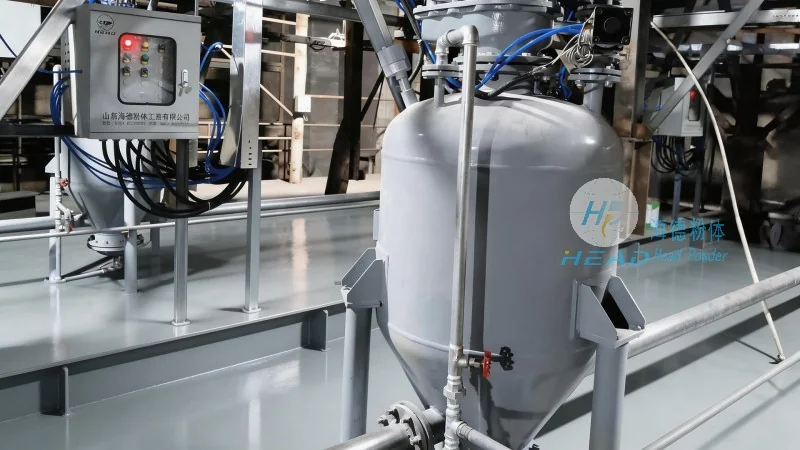
The design of a synthetic fiber pneumatic conveying system follows specific principles to achieve efficient material transport and minimize operational issues. One key principle is the selection of appropriate air velocity. The air velocity must be sufficient to overcome the material's resistance and maintain a stable flow within the pipeline. Too low a velocity can cause material settling or blockages, while too high a velocity may lead to excessive pressure drops and energy consumption. The system's design also considers the material's properties, such as particle size, density, and flowability, to determine the optimal conveying line diameter and air pressure. For example, fine powders may require higher air velocities and smaller line diameters to prevent clogging, whereas larger granules might need lower velocities and larger diameters. Another important principle is the use of synthetic fiber lining, which not only enhances durability but also reduces the risk of material buildup, which can lead to system inefficiencies or blockages. The system's layout, including the number of bends and the overall length of the conveying line, is also carefully planned to minimize pressure losses and ensure consistent material flow. Proper maintenance, including regular cleaning of the filter and inspection of the conveying line, is essential to maintain the system's performance and extend its operational life.
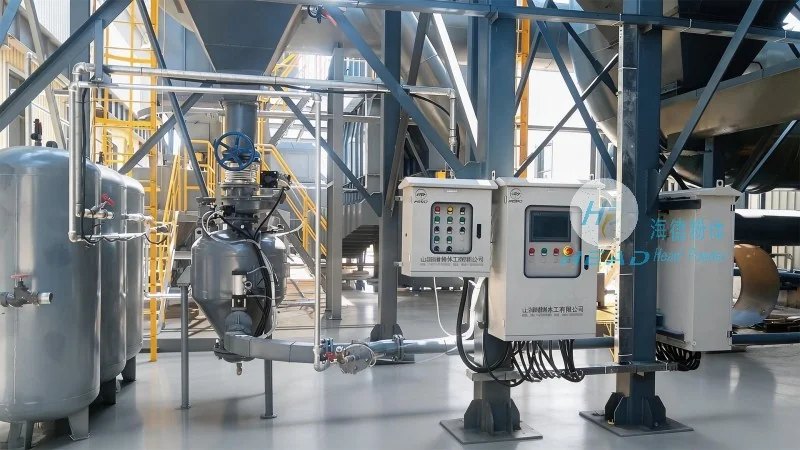
Synthetic fiber pneumatic conveying systems are widely used in various industrial sectors, including pharmaceuticals, food processing, chemicals, and minerals. In the pharmaceutical industry, these systems are employed to transport sensitive powders, ensuring contamination-free handling and maintaining product quality. In food processing, they are used to convey ingredients like flour, sugar, and spices, providing a hygienic and efficient method of material handling. The chemical industry utilizes these systems for transporting powders and granules, which may be abrasive or corrosive, and the synthetic fiber lining helps protect the system from wear and damage. In the minerals sector, synthetic fiber pneumatic conveying systems are used to transport raw materials like coal, ore, and sand, offering a cost-effective and reliable solution for bulk material transport. The benefits of these systems include reduced labor costs due to automated material handling, lower maintenance requirements compared to mechanical conveyors, and the ability to handle materials in a dust-free environment, which is crucial for industries where product purity is paramount. Additionally, the flexibility of synthetic fiber pneumatic conveying systems allows for easy integration into existing production lines and adaptation to changing material handling needs.
Synthetic fiber pneumatic conveying systems represent a sophisticated and efficient solution for bulk material handling in industrial applications. By understanding the design principles and key components, industries can optimize their material transport processes, enhance operational efficiency, and ensure product quality. Shandong HeadPowder Engineering Co., Ltd., a leading manufacturer in this field, specializes in designing and manufacturing high-quality synthetic fiber pneumatic conveying systems tailored to meet the specific needs of various industries. With a focus on durability, performance, and customer satisfaction, the company provides comprehensive solutions that enhance productivity and reduce operational costs. Located in Shandong, China, HeadPowder Engineering leverages advanced technology and expertise to deliver reliable and efficient material handling systems that meet the demands of modern industrial operations.

 Shandong Headpowder Engineering Co., Ltd.
 156-6277-7102(Manager Zhang)
  0531-83386006
  Zhangqiu District, Jinan City, Shandong Province, China
telephone
WeChatconsult
top