With more than 10‑year industry experience, Shandong Headpowder delivers full‑service pneumatic‑conveying systems and blowers, undertaking nationwide turn‑key powder‑handling projects.
When it comes to transporting dry mix mortar, selecting the right pneumatic conveying method is crucial for efficiency, cost-effectiveness, and operational reliability. Two primary approaches dominate the industry: positive pressure conveying and negative pressure conveying. This analysis explores the characteristics, advantages, and limitations of each method, helping stakeholders make informed decisions based on their specific operational needs.
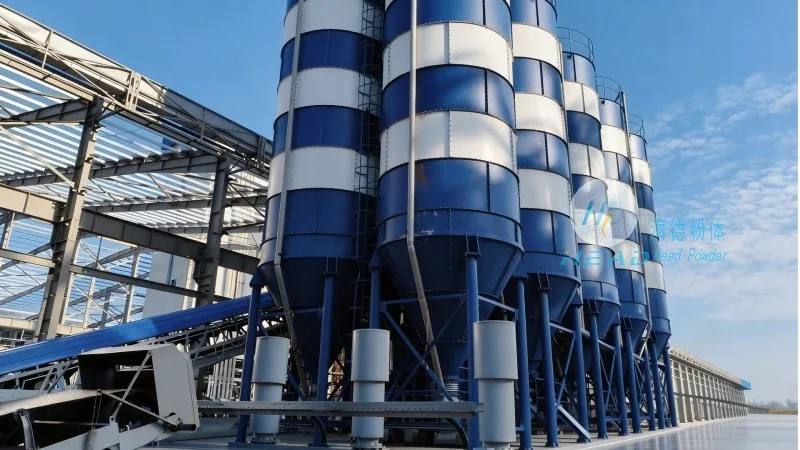
Positive pressure conveying, also known as pressure conveying, operates by blowing air or gas into the material to move it through a pipeline. The system uses a positive pressure fan or blower to generate the necessary force, ensuring that the material is propelled forward under pressure. This method is particularly effective for conveying dry mix mortar over long distances or through complex piping networks. The pressure differential between the source and destination creates a consistent flow, minimizing the risk of material degradation or clogging. A key advantage of positive pressure systems is their ability to handle abrasive materials without excessive wear on components. However, they require robust equipment to withstand the higher pressures involved, and the energy consumption can be higher compared to other methods.
Positive pressure conveying systems typically include a hopper, a rotary valve, a positive pressure blower, and a pipeline network. The material is fed into the hopper and then discharged through the rotary valve into the pipeline. The blower then pushes the material forward, maintaining a positive pressure throughout the system. This design ensures that the material is continuously moved, reducing the need for manual intervention or frequent stops. The system is also capable of handling varying material flow rates, making it adaptable to different production schedules. However, the high pressure can lead to increased maintenance costs, as components such as seals and bearings are subjected to greater stress. Additionally, the noise level from the blower can be higher, requiring proper soundproofing in industrial settings.

Negative pressure conveying, or vacuum conveying, works by creating a vacuum in the pipeline to draw the material from the source to the destination. The system uses a vacuum pump to remove air from the pipeline, creating a pressure differential that pulls the material along. This method is often preferred for shorter distances or when the material needs to be transported from a lower elevation to a higher one. The vacuum system is generally more energy-efficient than positive pressure systems, as it operates at lower pressures and uses less power. However, it may not be suitable for long-distance or high-volume applications due to the limitations of vacuum pressure. For example, it may not be feasible to transport dry mix mortar over more than a few hundred meters using a vacuum system. Additionally, the material may be more prone to degradation or clogging due to the lower pressure, especially if the material is fine or contains moisture. The system also requires regular maintenance to ensure that the vacuum pump and filters are functioning properly, as any blockage can lead to system failure.
One of the main advantages of negative pressure conveying is its lower energy consumption and reduced equipment complexity. The vacuum pump is typically smaller and less expensive than a high-pressure blower, making it a cost-effective solution for smaller operations. The system is also quieter and easier to install, as it does not require the same level of pressure resistance as positive pressure systems. However, the vacuum pressure is limited, which restricts the distance and volume of material that can be conveyed. For example, it may not be feasible to transport dry mix mortar over more than a few hundred meters using a vacuum system. Additionally, the material may be more prone to degradation or clogging due to the lower pressure, especially if the material is fine or contains moisture. The system also requires regular maintenance to ensure that the vacuum pump and filters are functioning properly, as any blockage can lead to system failure.
When comparing positive and negative pressure conveying for dry mix mortar, several factors come into play. The choice depends on the specific requirements of the operation, including distance, volume, material characteristics, and budget constraints. Positive pressure conveying is generally more suitable for long-distance, high-volume applications, as it can maintain consistent flow and handle abrasive materials effectively. It is also better suited for applications where the material needs to be transported to a higher elevation or through complex piping networks. On the other hand, negative pressure conveying is ideal for shorter distances, lower volume applications, and situations where energy efficiency and cost are primary concerns. It is also a good choice for materials that are sensitive to high pressure or that require a quieter operation.
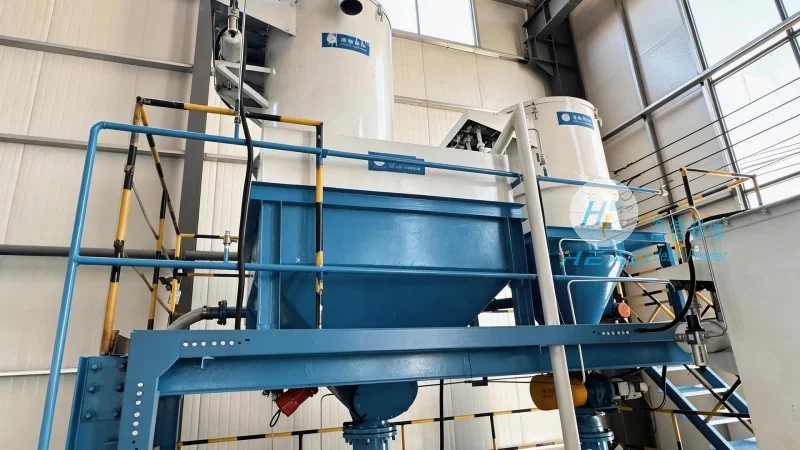
When selecting between positive and negative pressure conveying for dry mix mortar, several key factors should be considered. First, the distance and volume of material to be transported are critical. For long distances or high volumes, positive pressure conveying is often the better option due to its ability to maintain consistent flow and handle higher pressures. Second, the material characteristics, such as particle size, moisture content, and abrasiveness, play a significant role. Abrasive materials may require the higher pressure and durability of a positive pressure system, while more delicate materials may benefit from the lower pressure of a negative pressure system. Third, the budget and energy costs are important considerations. Positive pressure systems may have higher initial costs and energy consumption, while negative pressure systems are more economical but have limitations in terms of distance and volume. Finally, the operational environment and space constraints should be taken into account. Positive pressure systems may require more space for the blower and piping, while negative pressure systems can be more compact.
Both positive pressure and negative pressure conveying methods have their place in the dry mix mortar industry. Positive pressure conveying offers the advantages of consistent flow, high capacity, and the ability to handle abrasive materials, making it suitable for large-scale operations. Negative pressure conveying, on the other hand, provides energy efficiency, lower equipment costs, and quieter operation, making it ideal for smaller or more sensitive applications. By carefully evaluating the specific needs of the operation, including distance, volume, material characteristics, and budget, stakeholders can choose the most appropriate conveying method to ensure efficient and reliable transport of dry mix mortar. Whether opting for positive or negative pressure, the goal is to achieve optimal performance while minimizing costs and operational risks.

 Shandong Headpowder Engineering Co., Ltd.
 156-6277-7102(Manager Zhang)
  0531-83386006
  Zhangqiu District, Jinan City, Shandong Province, China
telephone
WeChatconsult
top