

Lightweight Micropowder Positive Pressure and Negative Pressure Conveying: A Comparative Analysis of
When handling lightweight micropowders, selecting the appropriate pneumatic conveying method is crucial for ensuring efficient and reliable material transport. Two primary approaches are widely used in industrial applications: positive pressure conveying and negative pressure conveying. This analysis, conducted by experts at Shandong HeadPowder Engineering Co., Ltd. (HeadPowder), provides a detailed comparison of these two methods, focusing on their operational principles, advantages, and practical applications.
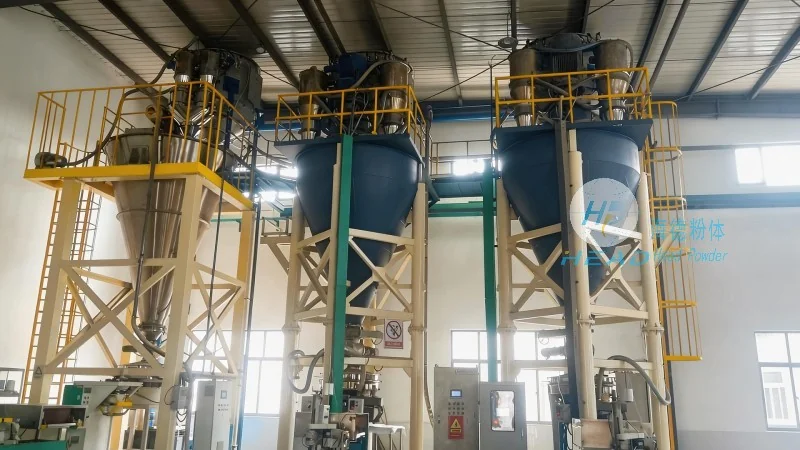
Understanding Positive Pressure Conveying
Positive pressure conveying, also known as pressure pneumatic conveying, operates by blowing air or a carrier gas into the material to be transported. The system maintains a higher pressure inside the conveying line compared to the surrounding environment. This method is particularly effective for transporting lightweight powders over longer distances or through complex piping systems. The high pressure ensures that the material is continuously pushed through the pipeline, minimizing the risk of clogging and maintaining consistent flow rates.
Key advantages of positive pressure conveying include its ability to handle abrasive and corrosive materials, as well as its suitability for transporting materials with varying particle sizes. The system can also be designed to handle high volumes of material, making it ideal for large-scale industrial operations. However, it requires robust equipment to maintain the necessary pressure levels, which can increase initial investment costs.
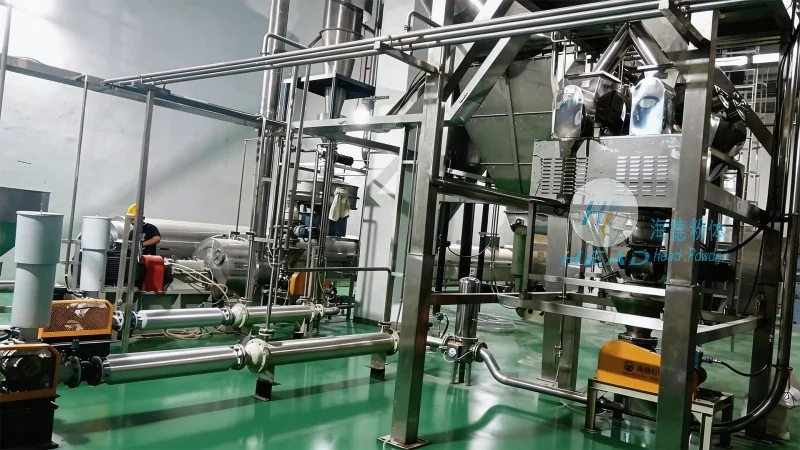
Understanding Negative Pressure Conveying
Negative pressure conveying, or vacuum pneumatic conveying, works by creating a vacuum in the conveying line to draw material from the source into the system. The material is then carried by the suction of the vacuum through the pipeline to the destination. This method is commonly used for shorter conveying distances and for materials that are less prone to clogging. The vacuum system is generally simpler and less expensive to install compared to positive pressure systems, making it a cost-effective option for many applications.
One of the main benefits of negative pressure conveying is its ability to handle fine powders and dust without the need for high-pressure equipment. The low pressure environment reduces the risk of material degradation and ensures that the material remains intact during transport. However, it is less effective for transporting materials with high moisture content or those that are prone to bridging, as the vacuum may not provide sufficient force to move the material through the line.
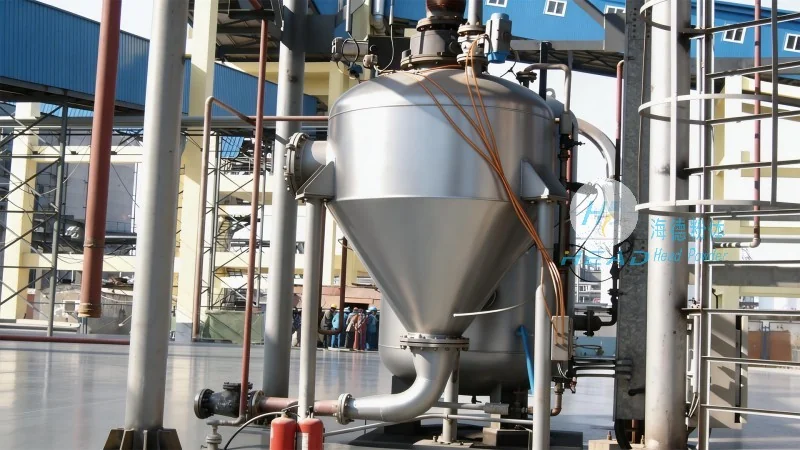
Comparative Analysis: Positive vs. Negative Pressure Conveying
When comparing positive and negative pressure conveying for lightweight micropowders, several factors must be considered. The choice between the two methods depends on the specific characteristics of the material, the distance to be conveyed, and the overall system requirements. Positive pressure conveying is generally more suitable for longer distances and for materials that require high pressure to maintain flow, while negative pressure conveying is better for shorter distances and for materials that are less demanding in terms of pressure requirements.
From an operational perspective, positive pressure systems offer greater control over the flow rate and pressure, allowing for precise regulation of material transport. Negative pressure systems, on the other hand, are simpler to operate and maintain, with fewer components that can fail or require regular maintenance. The choice of method also impacts the overall cost of the system, with positive pressure systems typically having higher initial costs due to the need for high-pressure pumps and robust piping.
Application Examples and Practical Considerations
Both positive and negative pressure conveying methods have been successfully applied in various industrial sectors. For example, in the pharmaceutical industry, where lightweight powders are used for drug formulations, negative pressure conveying is often preferred due to its ability to handle fine powders without degradation. In contrast, the chemical industry may opt for positive pressure conveying when transporting abrasive powders over longer distances.
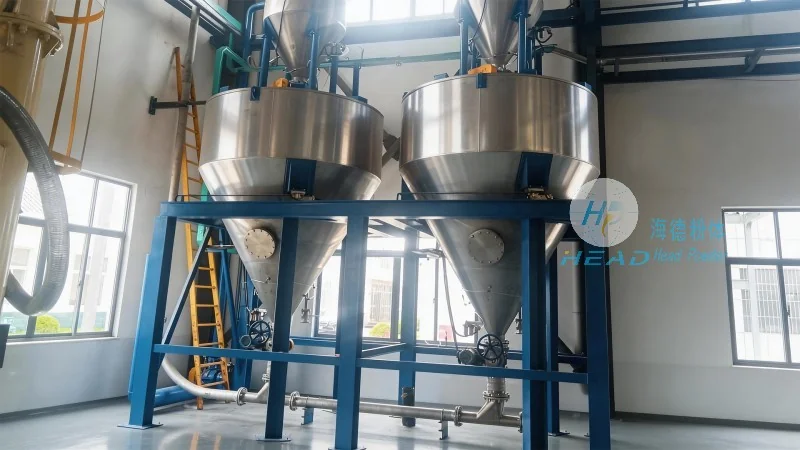
Practical considerations such as material properties, conveying distance, and system complexity play a significant role in determining the most appropriate method. For instance, if the material is highly abrasive and needs to be transported over a distance of more than 100 meters, positive pressure conveying is likely the better choice. Conversely, for short-distance transport of non-abrasive powders, negative pressure conveying may be sufficient and more cost-effective.
Conclusion
In conclusion, both positive pressure and negative pressure conveying are effective methods for transporting lightweight micropowders, each with its own set of advantages and limitations. The selection of the appropriate method depends on the specific requirements of the application, including material characteristics, distance, and operational constraints. By understanding the operational principles and practical considerations of each method, industrial operators can make informed decisions to optimize their material handling processes. As a leading provider of pneumatic conveying solutions, HeadPowder offers tailored systems to meet the unique needs of various industries, ensuring efficient and reliable material transport for lightweight micropowders.