With more than 10‑year industry experience, Shandong Headpowder delivers full‑service pneumatic‑conveying systems and blowers, undertaking nationwide turn‑key powder‑handling projects.
When it comes to the efficient and reliable transport of lithium-ion battery materials, the choice of pneumatic conveying system is critical. Two primary methods dominate the industry: positive pressure conveying and negative pressure conveying. Each approach offers distinct advantages and is suited to different operational requirements. This analysis delves into the characteristics, applications, and comparative performance of these two methods, providing insights for manufacturers and engineers in the battery material processing sector.
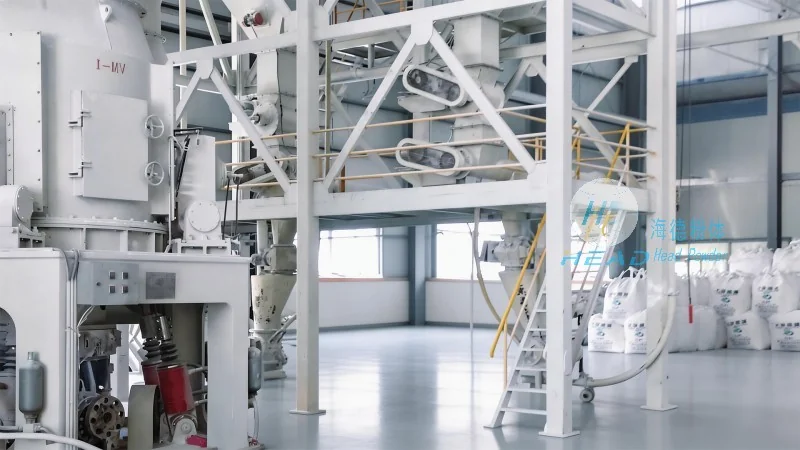
Pneumatic conveying is a technology that uses air or other gases to transport bulk materials through a pipeline. It is widely used in industries such as battery manufacturing, pharmaceuticals, and food processing due to its ability to handle fine powders and granules with minimal product degradation. The core of this system lies in the pressure differential between the conveying line and the ambient environment, which drives the material flow.
Positive pressure conveying operates by blowing air or a gas mixture into the conveying line, creating a pressure higher than the surrounding atmosphere. This method is particularly effective for transporting materials over long distances or through complex piping networks. The high pressure ensures that the material is consistently pushed through the system, reducing the risk of blockages and ensuring a steady flow rate. For lithium-ion battery materials, such as cathode active materials, anodes, and electrolyte powders, positive pressure conveying is often preferred for its ability to handle abrasive and sensitive powders without causing excessive wear or degradation.
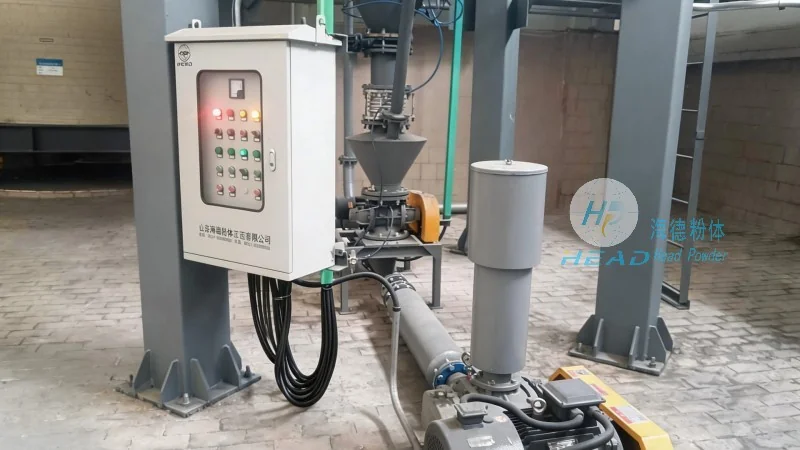
Negative pressure conveying, also known as suction conveying, works by creating a vacuum in the conveying line, which draws material from the source into the system. This approach is ideal for applications where the material needs to be collected from multiple points or where the source is at a higher elevation than the destination. The low pressure environment minimizes the risk of dust emissions and is suitable for handling materials that are prone to static charge. However, negative pressure systems may be less efficient for long-distance transport and can be more susceptible to blockages if the material is too fine or has high moisture content.
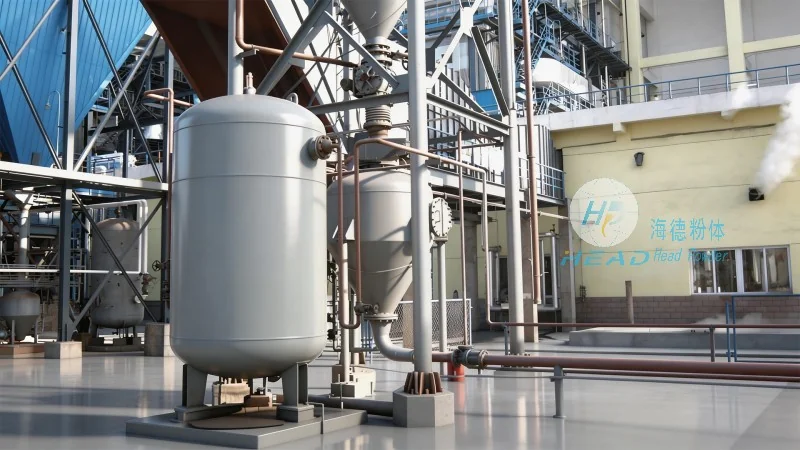
When comparing positive and negative pressure conveying, several factors come into play. Positive pressure systems generally offer higher conveying rates and are more suitable for long-distance transport, making them ideal for large-scale battery material production lines. They also provide better control over the flow rate and can handle a wider range of material types, including those with high moisture content or abrasive properties. On the other hand, negative pressure systems are more energy-efficient for short-distance or localized transport and are better at containing dust and preventing contamination. The choice between the two often depends on the specific production environment, material characteristics, and the overall system layout.
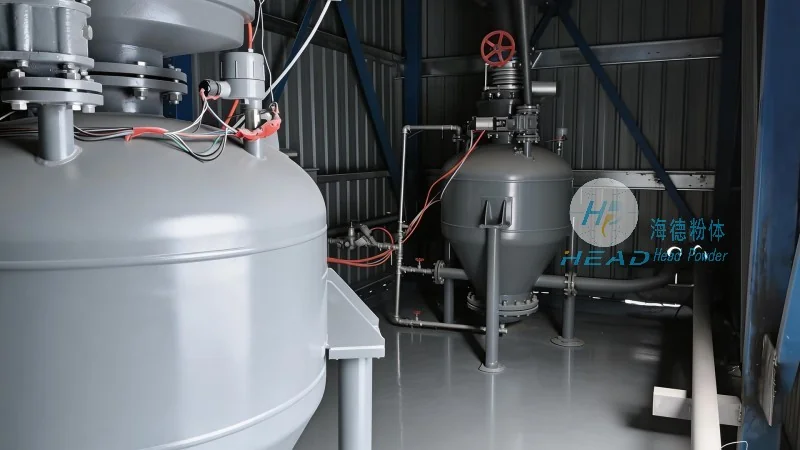
Shandong HeadPowder Engineering Co., Ltd., a leading provider of pneumatic conveying systems, specializes in designing and manufacturing customized solutions for the lithium-ion battery industry. With a focus on innovation and precision engineering, HeadPowder offers tailored systems that address the unique challenges of battery material transport. The company’s expertise lies in optimizing the pressure differentials, material handling, and system integration to ensure efficient, reliable, and cost-effective operations. By leveraging advanced technology and a deep understanding of material properties, HeadPowder helps manufacturers achieve seamless material flow, reduce downtime, and enhance overall productivity.
In conclusion, both positive and negative pressure conveying are viable options for transporting lithium-ion battery materials, each with its own set of advantages and limitations. The optimal choice depends on factors such as distance, material characteristics, system complexity, and operational efficiency. By carefully evaluating these factors and consulting with industry experts like Shandong HeadPowder Engineering Co., Ltd., manufacturers can select the most suitable pneumatic conveying system to meet their production needs and ensure the highest quality of battery materials.

 Shandong Headpowder Engineering Co., Ltd.
 156-6277-7102(Manager Zhang)
  0531-83386006
  Zhangqiu District, Jinan City, Shandong Province, China
telephone
WeChatconsult
top