With more than 10‑year industry experience, Shandong Headpowder delivers full‑service pneumatic‑conveying systems and blowers, undertaking nationwide turn‑key powder‑handling projects.
For industrial facilities dealing with denitrification fly ash, efficient and reliable material transport is crucial. Pneumatic conveying systems offer a viable solution, but challenges such as pipeline blockages can compromise operational efficiency. This article explores effective strategies to prevent blockages in pneumatic conveying systems when handling denitrification fly ash, alongside key design parameters that ensure optimal performance.
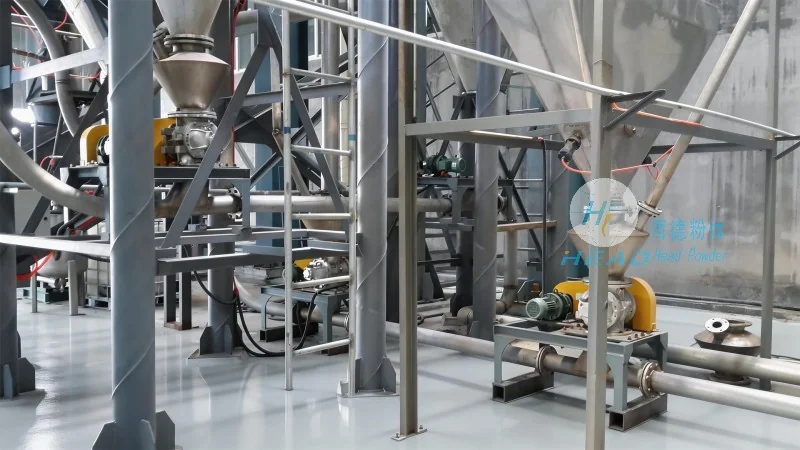
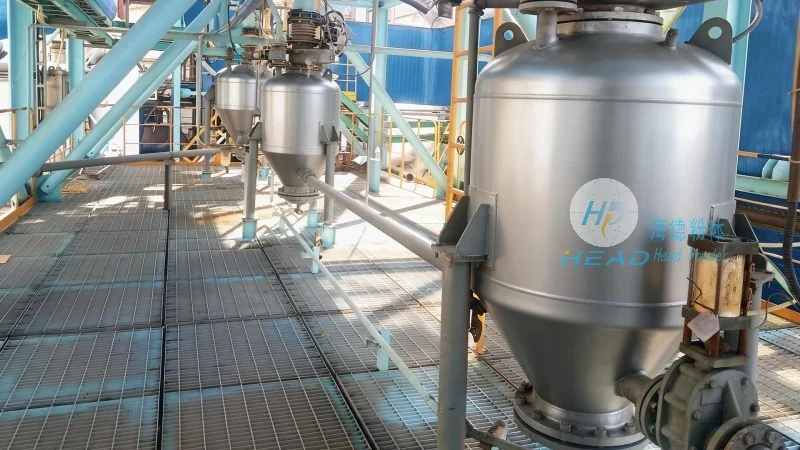
Denitrification fly ash, a byproduct of flue gas desulfurization and nitrogen oxide reduction processes, presents unique characteristics that affect material handling. It often contains fine particles (ranging from sub-micron to several microns), varying moisture content (typically 1-5%), and can be abrasive due to the presence of minerals like calcium sulfate and silica. These properties increase the risk of pipeline blockages, especially in traditional conveying methods. Pneumatic conveying systems, which use air or gas to transport materials, can mitigate these risks by providing consistent flow and preventing material accumulation. However, the fine and cohesive nature of denitrification fly ash requires careful system design to maintain proper air velocity and prevent particle settlement.
Several critical design parameters must be considered when implementing a pneumatic conveying system for denitrification fly ash to minimize blockage risks. First, the air-to-material ratio (AMR) is a fundamental parameter. An appropriate AMR ensures sufficient air velocity to keep particles suspended and prevent settlement. For denitrification fly ash, higher AMR values are typically required compared to bulkier materials, often ranging from 10:1 to 20:1 depending on particle size and moisture content. Second, the system's pressure and flow rate must be optimized. Excessive pressure can cause material degradation or increased wear on components, while insufficient flow may lead to clogging. The pressure drop across the system should be monitored to ensure it remains within acceptable limits, typically below 0.5 bar per meter of pipeline for smooth operation. Third, the selection of pipeline diameter and material is vital. Larger diameters reduce friction losses and the likelihood of blockages, as they allow for lower air velocities while maintaining sufficient flow. For denitrification fly ash, pipelines with diameters of 100mm to 200mm are commonly used. Corrosion-resistant materials like stainless steel (e.g., 316L) or special coatings (e.g., epoxy or polyurethane) protect against abrasion from fly ash particles, which can otherwise lead to pipe wear and eventual blockage. Fourth, the inclusion of features like in-line mixers or rotary valves can enhance material flow and prevent segregation, which often contributes to blockages. In-line mixers, such as static mixers or air knives, ensure uniform distribution of air and material, reducing the risk of localized concentration and clogging. Rotary valves, used as feeders, provide a controlled and consistent material feed, preventing surges that could disrupt the conveying process. Additionally, regular maintenance schedules and monitoring systems are essential to detect and address potential issues before they escalate into full blockages. This includes cleaning pipelines, inspecting components for wear, and monitoring air pressure and flow rates in real-time.
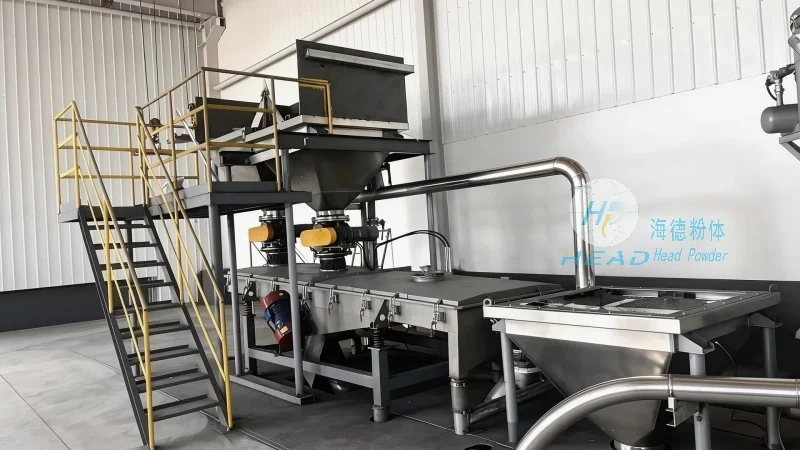
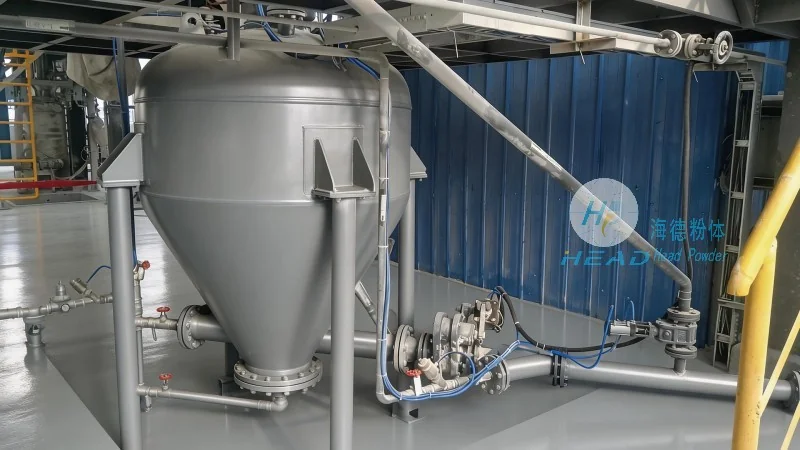
Shandong HeadPowder Engineering Co., Ltd., a leading provider of pneumatic conveying solutions, specializes in designing and manufacturing systems tailored to the unique needs of industrial applications. With a focus on innovation and customer satisfaction, HeadPowder delivers high-quality equipment that ensures reliable material transport for denitrification fly ash and other challenging materials. The company's headquarters is located in Shandong, China, and it serves clients globally with expertise in system design, installation, and maintenance. HeadPowder's team of engineers and technicians works closely with clients to understand their specific requirements, from material characteristics to operational constraints, and develops customized solutions that meet or exceed industry standards. The company adheres to strict quality control measures, ensuring that all components and systems are tested and validated before delivery. This commitment to quality and customer service has made HeadPowder a trusted partner for facilities dealing with denitrification fly ash and other difficult-to-handle materials.

 Shandong Headpowder Engineering Co., Ltd.
 156-6277-7102(Manager Zhang)
  0531-83386006
  Zhangqiu District, Jinan City, Shandong Province, China
telephone
WeChatconsult
top