With more than 10‑year industry experience, Shandong Headpowder delivers full‑service pneumatic‑conveying systems and blowers, undertaking nationwide turn‑key powder‑handling projects.
Distillers grains, a byproduct of the ethanol production process, require efficient and reliable handling to ensure smooth operations in feed mills and other processing facilities. Pneumatic conveying systems have emerged as a popular solution for transporting these materials due to their ability to handle bulk solids over long distances with minimal maintenance. However, a common challenge in such systems is the risk of pipeline blockages, which can lead to operational downtime and increased maintenance costs. Understanding how to prevent these blockages and the critical design parameters involved is essential for optimizing the performance of pneumatic conveying systems in distillers grains applications.
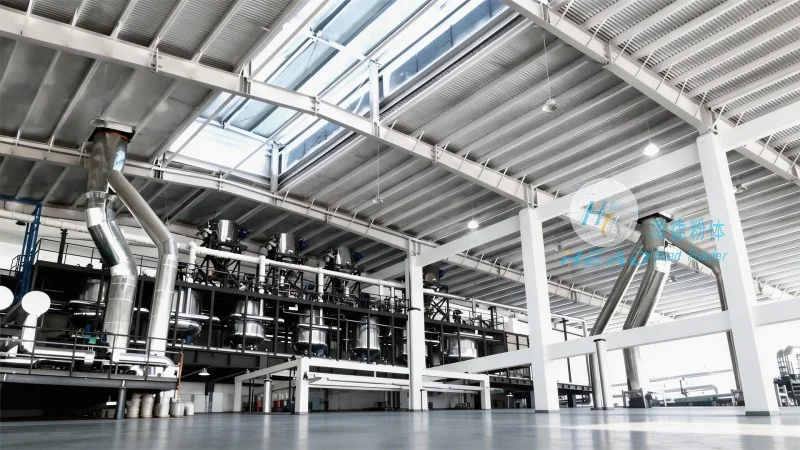
Distillers grains are characterized by their high moisture content, variable particle size, and abrasive nature. These properties make them prone to agglomeration and caking, which can easily lead to blockages in the conveying lines. Traditional mechanical conveying methods often struggle with these materials, making pneumatic systems a more suitable choice. However, the success of a pneumatic conveying system depends heavily on its design and operation. Key factors such as system pressure, air velocity, and the ratio of air to solid (air-to-solid ratio) play a pivotal role in preventing blockages and ensuring consistent material flow.
Several critical design parameters must be carefully considered when designing a pneumatic conveying system for distillers grains to minimize the risk of blockages. The first parameter is the system pressure, which directly impacts the air velocity and the ability to move the material through the pipeline. Higher pressures generally allow for higher air velocities, reducing the likelihood of particles settling and clogging the system. However, excessive pressure can also lead to increased energy consumption and potential wear on components. Therefore, an optimal pressure level must be determined based on the specific characteristics of the distillers grains being conveyed.
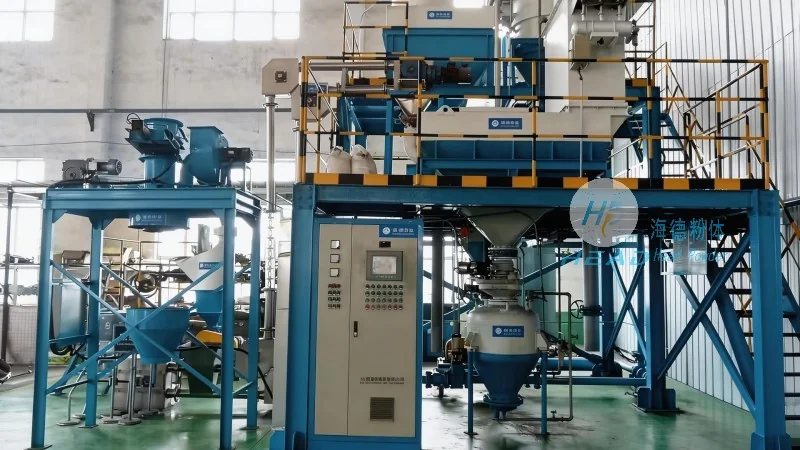
The second crucial parameter is the air-to-solid ratio (ASR), which is the ratio of the volume of air to the volume of solid material being transported. An appropriate ASR ensures that the material is fully suspended in the air stream, preventing it from settling and forming clumps. For distillers grains, an ASR typically ranges from 5:1 to 15:1, depending on the particle size and moisture content. Maintaining a consistent ASR throughout the conveying process is vital to avoid fluctuations that could lead to blockages.
Another important design parameter is the pipeline diameter and length. Larger diameter pipes reduce the risk of blockages by providing more space for the material to flow and reducing the frictional forces that can cause particles to stick to the pipe walls. However, longer pipelines may require higher pressures or air velocities to maintain the material in suspension. The length of the pipeline should be minimized where possible to reduce the overall pressure drop and the likelihood of blockages. Additionally, the use of smooth, corrosion-resistant materials for the pipeline, such as stainless steel or polyethylene, can help prevent material buildup and reduce the risk of clogging.
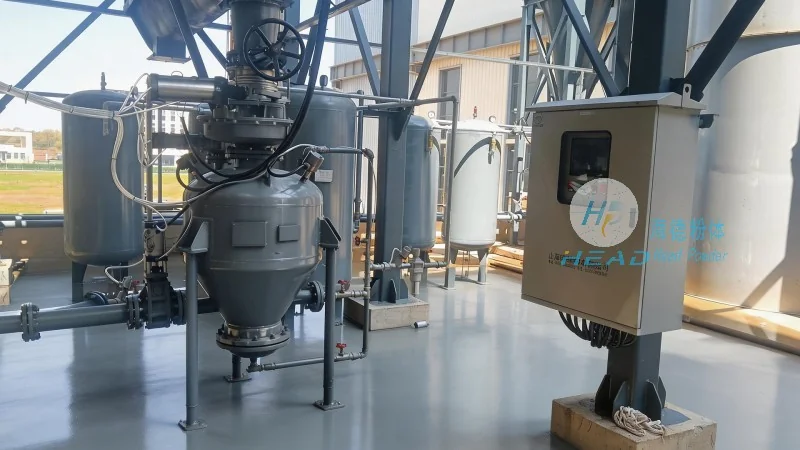
Air velocity is a critical factor in pneumatic conveying, as it determines the speed at which the material is transported through the system. Insufficient air velocity can cause the material to settle and form blockages, while excessive velocity can lead to increased energy consumption and potential damage to downstream equipment. For distillers grains, the optimal air velocity is typically between 20-30 meters per second, depending on the particle size and moisture content. The particle size distribution of the distillers grains is also a key factor, as smaller particles are more likely to cause blockages due to their higher surface area and tendency to agglomerate.
The design of the pneumatic conveying system, including the type of feeder, air compressor, and control valves, also plays a significant role in preventing blockages. A properly designed feeder, such as a rotary valve or a pressure feeder, ensures that the material is introduced into the system at a consistent rate, preventing surges that could lead to blockages. The air compressor must be capable of delivering the required pressure and flow rate, with sufficient capacity to handle variations in material feed. Control valves, such as pressure relief valves and flow control valves, help regulate the system pressure and air flow, ensuring that the system operates within safe and efficient parameters.
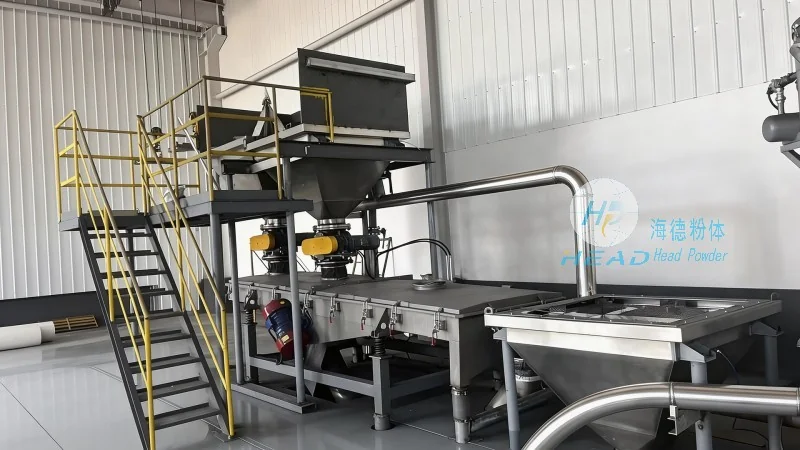
Shandong HeadPowder Engineering Co., Ltd., a leading provider of pneumatic conveying solutions, has successfully implemented several systems for distillers grains handling. By carefully considering the key design parameters discussed above, their systems have demonstrated high efficiency and minimal blockage incidents. For example, one client, a large feed mill in China, installed a pneumatic conveying system designed by HeadPowder to transport distillers grains from a storage silo to a processing plant. The system was designed with a pressure of 0.8 MPa, an ASR of 10:1, and a pipeline diameter of 150 mm. The system has been in operation for over two years with no significant blockages, resulting in reduced downtime and lower maintenance costs.
Preventing pipeline blockages in pneumatic conveying systems for distillers grains requires a comprehensive approach that considers multiple design parameters. By optimizing system pressure, air-to-solid ratio, pipeline design, and air velocity, along with the selection of appropriate system components, the risk of blockages can be significantly reduced. Companies like Shandong HeadPowder Engineering Co., Ltd. play a crucial role in providing tailored solutions that meet the specific needs of their clients, ensuring efficient and reliable handling of distillers grains. As the demand for distillers grains continues to grow, the importance of effective pneumatic conveying systems will only increase, making the design and implementation of these systems a critical consideration for feed mills and other processing facilities.

 Shandong Headpowder Engineering Co., Ltd.
 156-6277-7102(Manager Zhang)
  0531-83386006
  Zhangqiu District, Jinan City, Shandong Province, China
telephone
WeChatconsult
top