With more than 10‑year industry experience, Shandong Headpowder delivers full‑service pneumatic‑conveying systems and blowers, undertaking nationwide turn‑key powder‑handling projects.
Microsilica, also known as fumed silica, is a fine powder with a high surface area, widely used in various industrial applications such as concrete additives, rubber, and paint. When transporting microsilica via pneumatic conveying systems, a common challenge is pipeline blockage, which can lead to system downtime and increased maintenance costs. Understanding the factors that contribute to blockages and implementing appropriate design parameters is crucial for ensuring efficient and reliable microsilica transport. This article explores effective strategies to prevent pipeline blockages in pneumatic conveying systems for microsilica and highlights the key design parameters that engineers should consider.
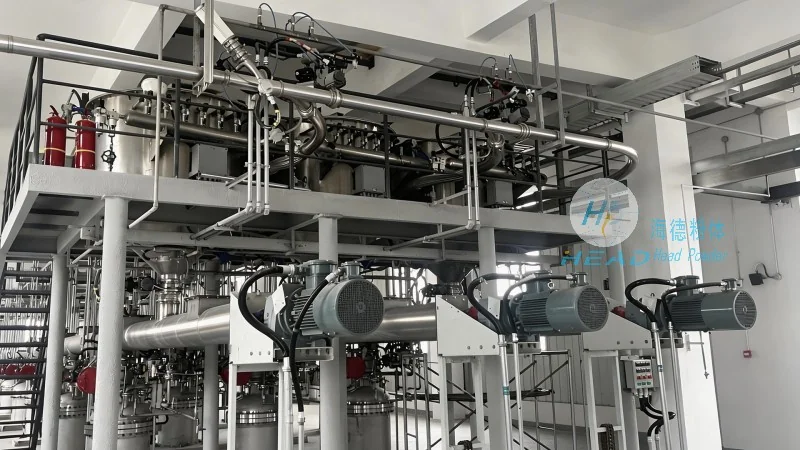
Microsilica particles are typically in the range of 0.1 to 0.2 microns, making them highly cohesive and prone to agglomeration. This property, combined with the high velocity and pressure changes within the pneumatic conveying system, can lead to particle buildup on pipe walls and eventual blockage. Additionally, the abrasive nature of microsilica can cause wear on system components, further exacerbating the risk of blockages. To address these challenges, a comprehensive approach that considers material properties, system design, and operational parameters is essential.
Several critical design parameters play a vital role in minimizing the risk of pipeline blockages during microsilica transport. These parameters are tailored to the specific characteristics of microsilica and the operational requirements of the conveying system. The following sections detail the most important design considerations:
The flow rate of the conveying air and the size of the microsilica particles are directly related to the risk of blockage. Higher flow rates can help maintain particle suspension and reduce the likelihood of agglomeration. However, excessively high flow rates may increase energy consumption and system noise. Engineers must balance these factors by calculating the optimal air velocity based on the particle size and density. For microsilica, a typical air velocity range of 20 to 30 meters per second is recommended to ensure proper particle suspension while minimizing energy costs. The flow rate of the material should also be matched to the air flow to maintain a stable conveying condition, preventing the formation of dense material plugs that can cause blockages.
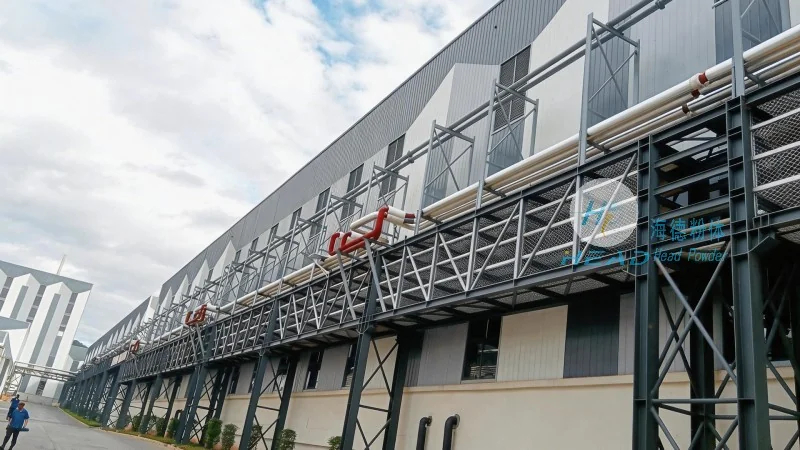
Pressure variations within the pneumatic conveying system are a significant factor in microsilica blockage. Abrupt pressure drops can cause the particles to settle and accumulate, leading to blockages. To mitigate this, engineers should design the system with gradual pressure changes and appropriate pressure relief valves. The pressure drop across the system should be monitored and controlled to ensure that it remains within acceptable limits. For microsilica transport, maintaining a consistent pressure gradient is crucial. This can be achieved by using appropriate pipe diameters, minimizing bends and fittings, and ensuring smooth transitions between sections of the system. Additionally, installing pressure sensors and alarms can help detect abnormal pressure drops in real-time, allowing for immediate intervention to prevent blockages.
The diameter of the conveying pipe is a critical parameter that affects the risk of blockage. Smaller pipe diameters increase the risk of particle accumulation and blockage, as the particles have less space to move and are more likely to settle. For microsilica, a minimum pipe diameter of 100 mm is generally recommended to ensure adequate flow and reduce the risk of blockage. The material of the pipe also plays a role in preventing blockages. Materials with smooth surfaces, such as stainless steel or PTFE-coated pipes, are preferred as they reduce friction and prevent particle adhesion. Additionally, the pipe should be free of sharp edges or rough surfaces that can cause particle damage and agglomeration.
The design of bends and fittings in the pneumatic conveying system can significantly impact the risk of blockage. Sharp bends and narrow fittings can cause particle separation and accumulation, leading to blockages. To minimize this risk, engineers should use smooth, gradual bends with a radius that is at least 5 times the pipe diameter. Additionally, the number of bends and fittings should be minimized to reduce the overall pressure drop and prevent particle settling. For microsilica, using elbows with a larger radius and avoiding sudden changes in pipe direction is essential. The use of flexible connectors and expansion joints can also help accommodate thermal expansion and reduce stress on the system, further reducing the risk of blockage.
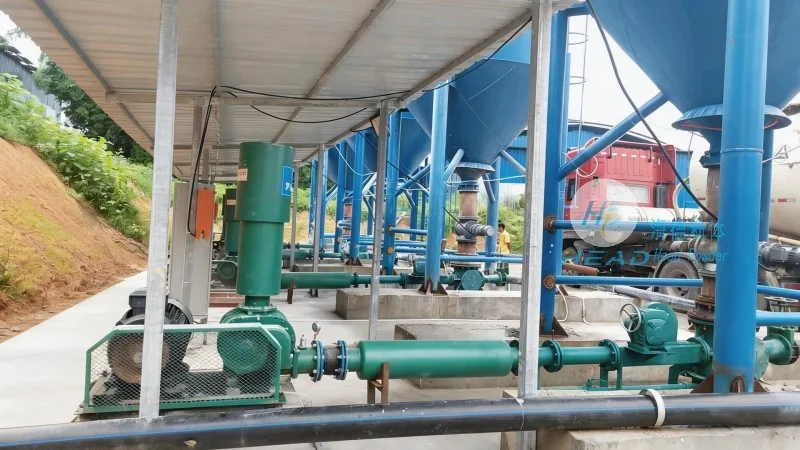
Moisture content in the microsilica can significantly affect its flow properties and increase the risk of blockage. When microsilica absorbs moisture, it becomes more cohesive and prone to agglomeration. To prevent this, the system should be designed with moisture control measures, such as drying the material before conveying or using desiccant air. Additionally, the conveying air should be filtered to remove any moisture or contaminants that could affect the material. Maintaining a consistent temperature and humidity in the system can also help prevent moisture-related blockages. For microsilica, keeping the material and air at a relative humidity below 50% is recommended to ensure stable conveying conditions.
Regular cleaning and maintenance of the pneumatic conveying system are essential for preventing long-term blockages. Over time, microsilica particles can accumulate on pipe walls and fittings, leading to reduced flow and eventual blockage. To address this, engineers should design the system with cleaning mechanisms, such as air blowers or mechanical scrapers, that can remove accumulated material. Regular inspections and maintenance schedules should be established to ensure that the system is operating within optimal conditions. Additionally, using compatible materials and lubricants can help prevent corrosion and wear, which can contribute to blockages. For microsilica transport, a maintenance plan that includes periodic cleaning and inspection of the system components is crucial for long-term reliability.
Preventing pipeline blockages in pneumatic conveying systems for microsilica requires a combination of proper design parameters and operational practices. By optimizing particle size and flow rate, managing system pressure and pressure drop, selecting appropriate pipe diameter and material, designing smooth bends and fittings, controlling moisture and air conditions, and implementing regular maintenance, engineers can significantly reduce the risk of blockages and ensure efficient microsilica transport. The key is to understand the unique properties of microsilica and tailor the system design to these characteristics. As a leading provider of pneumatic conveying solutions, Shandong HeadPowder Engineering Co., Ltd. specializes in designing and manufacturing systems that meet the specific needs of microsilica transport, ensuring reliable and efficient operation for its clients. With a focus on quality and innovation, HeadPowder provides customized solutions that help businesses overcome the challenges of microsilica transportation and achieve their operational goals.

 Shandong Headpowder Engineering Co., Ltd.
 156-6277-7102(Manager Zhang)
  0531-83386006
  Zhangqiu District, Jinan City, Shandong Province, China
telephone
WeChatconsult
top