With more than 10‑year industry experience, Shandong Headpowder delivers full‑service pneumatic‑conveying systems and blowers, undertaking nationwide turn‑key powder‑handling projects.
Latex powder, a critical material in various industrial applications, often presents unique challenges during transportation via pneumatic conveying systems. One of the most significant issues faced by manufacturers is pipeline blockage, which can lead to production downtime, increased maintenance costs, and reduced operational efficiency. Understanding and implementing the right design parameters in pneumatic conveying systems is essential to mitigate these risks and ensure smooth, reliable material handling. This article explores effective strategies to prevent pipeline blockages in latex powder transport and highlights the key design parameters that contribute to a robust and efficient system.
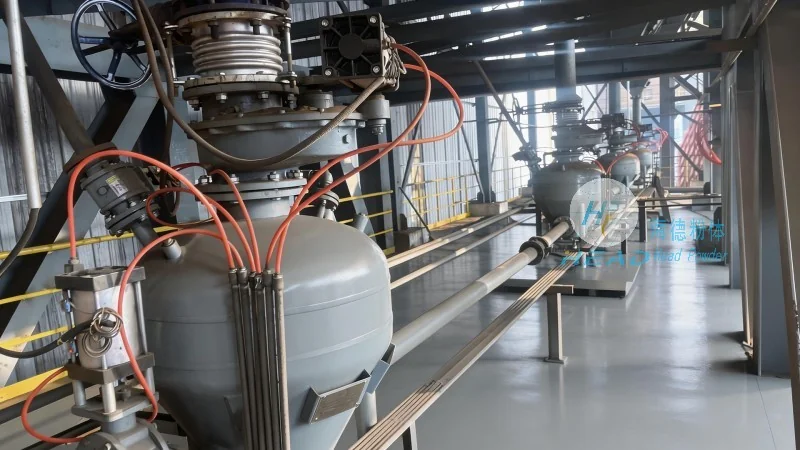
Latex powder typically consists of fine particles with specific physical properties, such as moisture content, particle size distribution, and cohesive tendencies. These characteristics can significantly influence the behavior of the material in a pneumatic conveying system. For instance, high moisture levels may cause particles to stick together, while irregular particle sizes can lead to uneven flow and potential blockages at bends or elbows. Additionally, the abrasive nature of latex powder can accelerate wear on system components, further complicating the prevention of blockages. Recognizing these challenges is the first step toward designing an effective solution.
Several critical design parameters must be carefully considered when configuring a pneumatic conveying system for latex powder. These parameters directly impact the system's ability to maintain consistent flow and prevent material accumulation. The following are the most important factors to address:
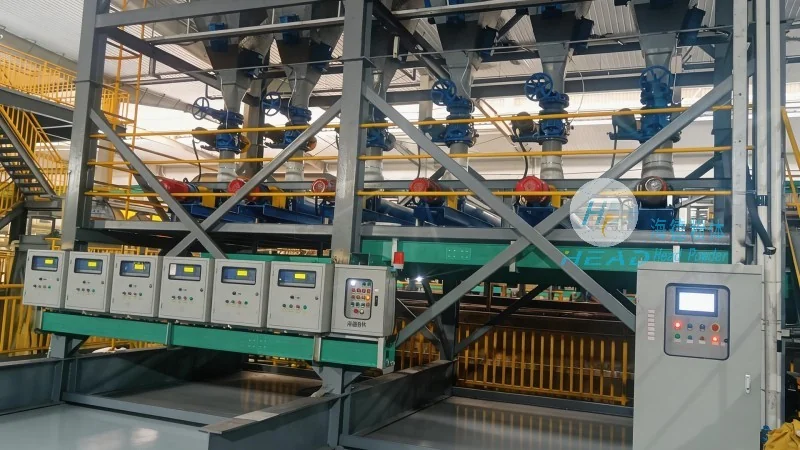
Shandong HeadPowder Engineering Co., Ltd., a leading provider of pneumatic conveying systems, specializes in designing and manufacturing solutions tailored to the unique needs of latex powder manufacturers. With years of experience in the industry, the company understands the challenges associated with handling fine, cohesive materials like latex powder. HeadPowder Engineering employs advanced engineering principles and state-of-the-art technology to develop systems that effectively prevent pipeline blockages and ensure reliable material transport.
The company's team of experts works closely with clients to assess their specific requirements, including material characteristics, production volume, and operational constraints. By leveraging their deep understanding of pneumatic conveying technology, HeadPowder Engineering can recommend optimal design parameters and system configurations that minimize the risk of blockages while maximizing efficiency and cost-effectiveness. Their solutions are designed to be scalable, allowing them to accommodate both small-scale and large-scale production needs.
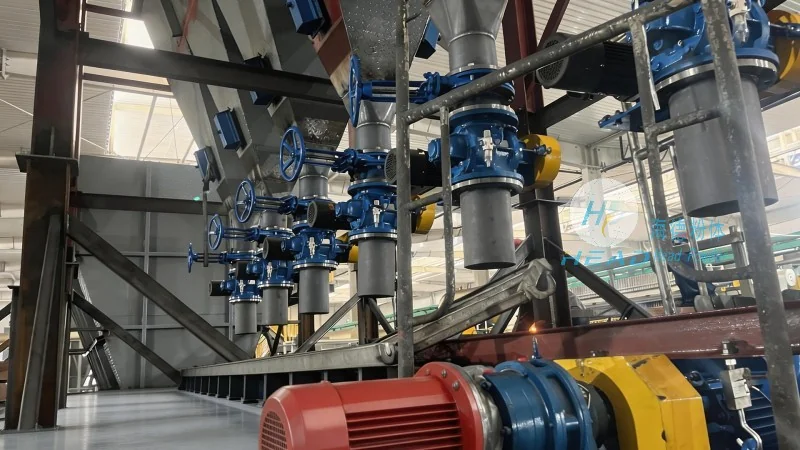
HeadPowder Engineering's commitment to quality and innovation is reflected in their product offerings. The company uses high-quality materials and components in the construction of its pneumatic conveying systems, ensuring durability and long-term performance. Additionally, they provide comprehensive support services, including installation, commissioning, and maintenance, to ensure that their systems operate at peak efficiency throughout their service life.
Preventing pipeline blockages in pneumatic conveying systems for latex powder is a multifaceted challenge that requires careful consideration of several key design parameters. By optimizing conveying velocity, pipeline diameter, air-solid ratio, system pressure, and bend design, manufacturers can significantly reduce the risk of blockages and improve overall operational performance. The expertise and solutions provided by companies like Shandong HeadPowder Engineering Co., Ltd. play a vital role in achieving these goals, helping businesses maintain productivity and minimize downtime.

 Shandong Headpowder Engineering Co., Ltd.
 156-6277-7102(Manager Zhang)
  0531-83386006
  Zhangqiu District, Jinan City, Shandong Province, China
telephone
WeChatconsult
top