With more than 10‑year industry experience, Shandong Headpowder delivers full‑service pneumatic‑conveying systems and blowers, undertaking nationwide turn‑key powder‑handling projects.
Managing the transportation of dry sludge through pneumatic conveying systems presents unique challenges, particularly the risk of pipeline blockages. These blockages can lead to operational downtime, increased maintenance costs, and potential safety hazards. To mitigate these issues, understanding and implementing critical design parameters is essential. This article explores effective strategies to prevent pipeline blockages in dry sludge conveying and highlights key design considerations that ensure reliable system performance.
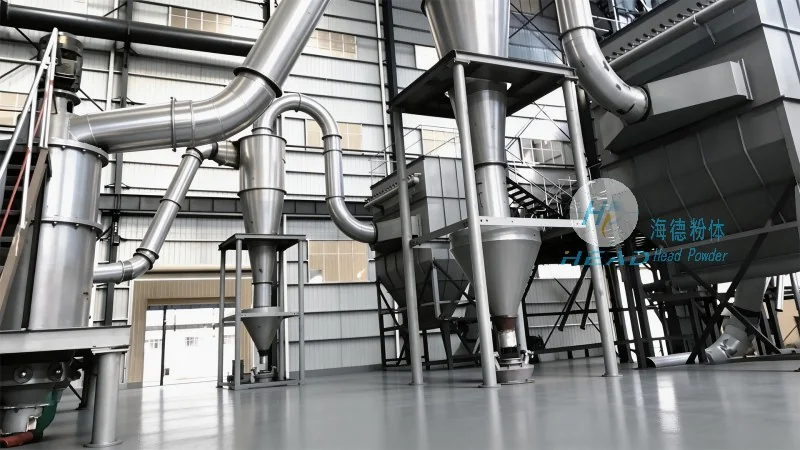
Dry sludge, often characterized by its low moisture content and variable particle size, can behave unpredictably during pneumatic transport. The primary causes of blockages include inadequate air velocity, excessive particle concentration, and poor system design. When the air flow velocity is insufficient to maintain particle suspension, particles may settle and accumulate, forming a plug. Additionally, high particle loadings can overwhelm the system's capacity, leading to clogging. Proper system design is therefore crucial to prevent these issues and ensure smooth operation.
Several critical design parameters must be carefully considered to prevent pipeline blockages in pneumatic conveying systems for dry sludge. These parameters directly influence the system's ability to maintain particle suspension and prevent clogging. The most important factors include:
1. Air Velocity and Pressure The air velocity within the pipeline must be maintained at a level sufficient to keep particles suspended. For dry sludge, typical conveying velocities range from 20 to 30 meters per second (m/s) in high-pressure systems or 10 to 15 m/s in low-pressure systems. The pressure drop across the system is also a key factor, as it affects the energy available to move the sludge. Proper pressure management ensures consistent flow and prevents pressure spikes that could lead to blockages.
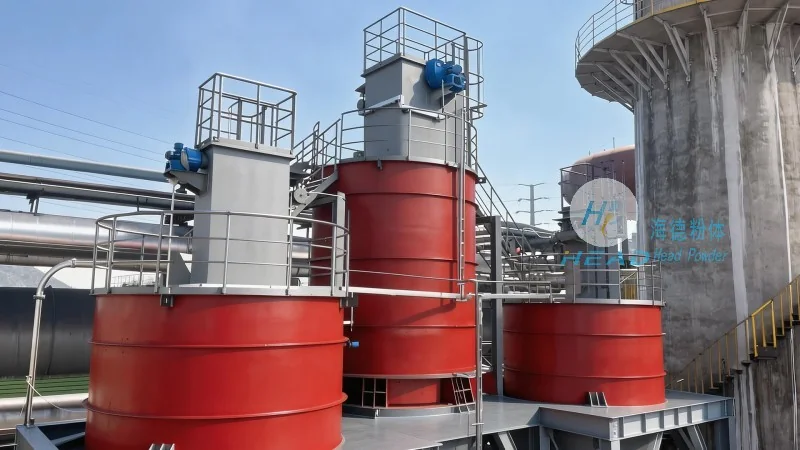
2. Pipeline Diameter and Length The diameter of the conveying pipeline is directly proportional to the system's capacity and the risk of blockage. Larger diameters reduce the risk of particle accumulation and improve flow characteristics. However, the total pipeline length and the number of bends also impact system performance. Longer pipelines and excessive bends increase friction losses and can reduce air velocity, making it more likely for particles to settle. Designing pipelines with appropriate diameter and minimal bends is essential to maintain optimal flow.
3. Particle Characteristics The physical properties of the dry sludge, such as particle size distribution, density, and moisture content, significantly affect system performance. Coarse or irregularly shaped particles are more prone to causing blockages compared to fine particles. Understanding the specific characteristics of the sludge allows for the selection of appropriate air velocities and system configurations. For example, systems handling fine, dry particles may require lower air velocities to avoid excessive wear and tear, while systems with coarse particles may need higher velocities to maintain suspension.
4. System Configuration and Components The overall system configuration, including the type of conveying system (e.g., positive pressure, negative pressure), the placement of components like cyclones, filters, and check valves, plays a vital role in preventing blockages. Properly sized and positioned components ensure that the sludge is effectively conveyed without accumulation. For instance, the use of inline mixers or agitators can help maintain particle suspension, especially in systems with high particle concentrations. Additionally, regular maintenance of components, such as cleaning cyclones and checking for debris, is essential to prevent blockages caused by accumulated material.
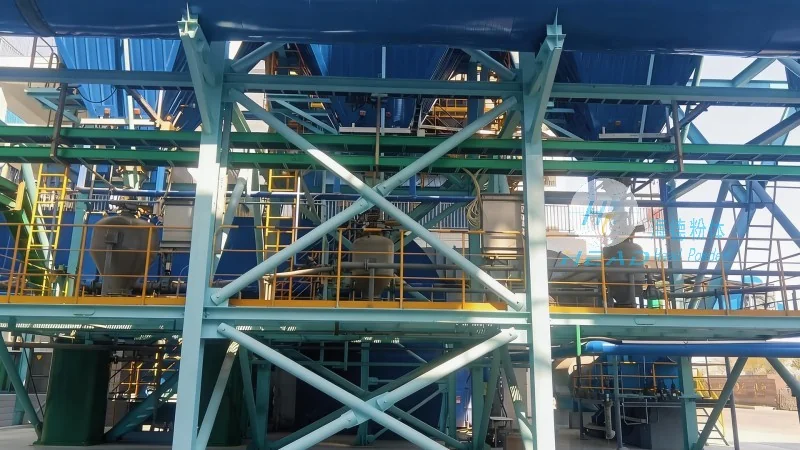
Shandong HeadPowder Engineering Co., Ltd. specializes in designing and manufacturing pneumatic conveying systems tailored to the unique challenges of dry sludge transport. With years of experience in the industry, HeadPowder understands the critical importance of preventing pipeline blockages and has developed advanced solutions to address this issue. The company's expertise lies in optimizing system design parameters to ensure reliable operation and minimize downtime. By carefully considering air velocity, pressure, pipeline dimensions, and particle characteristics, HeadPowder engineers create customized systems that meet the specific needs of clients. The company's commitment to quality and innovation ensures that its systems are built to withstand the demands of dry sludge conveying while maintaining high efficiency and low maintenance costs.
HeadPowder's approach to dry sludge conveying involves a comprehensive design process that includes thorough analysis of the sludge properties, system requirements, and operational constraints. The company works closely with clients to understand their specific challenges and develop tailored solutions. By implementing the key design parameters discussed above, HeadPowder ensures that its systems are optimized to prevent blockages and provide consistent, reliable performance. The company's focus on customer satisfaction and long-term partnerships has made it a trusted provider of pneumatic conveying solutions in the industry.
For organizations dealing with dry sludge, investing in a well-designed pneumatic conveying system is crucial to avoid the costly and time-consuming effects of pipeline blockages. By prioritizing key design parameters and working with experienced professionals like those at Shandong HeadPowder Engineering Co., Ltd., companies can ensure efficient and safe transport of dry sludge while minimizing operational risks. The combination of proper system design and expert engineering expertise is essential to achieving reliable performance and maintaining the integrity of the conveying process.

 Shandong Headpowder Engineering Co., Ltd.
 156-6277-7102(Manager Zhang)
  0531-83386006
  Zhangqiu District, Jinan City, Shandong Province, China
telephone
WeChatconsult
top