With more than 10‑year industry experience, Shandong Headpowder delivers full‑service pneumatic‑conveying systems and blowers, undertaking nationwide turn‑key powder‑handling projects.
Pneumatic conveying systems are widely used in the industrial sector for transporting bulk materials like dry lime, which is essential in applications such as flue gas desulfurization and water treatment. These systems utilize air or gas to move materials through pipelines, offering advantages like reduced maintenance compared to mechanical systems. However, when handling dry lime, a common challenge is pipeline blockages, which can halt operations and increase costs. Understanding the critical design parameters that mitigate this risk is vital for optimizing system performance and ensuring reliable material transport.
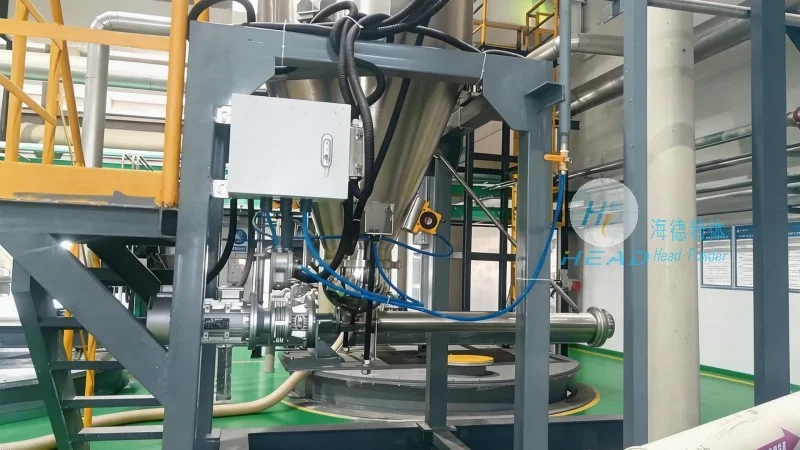
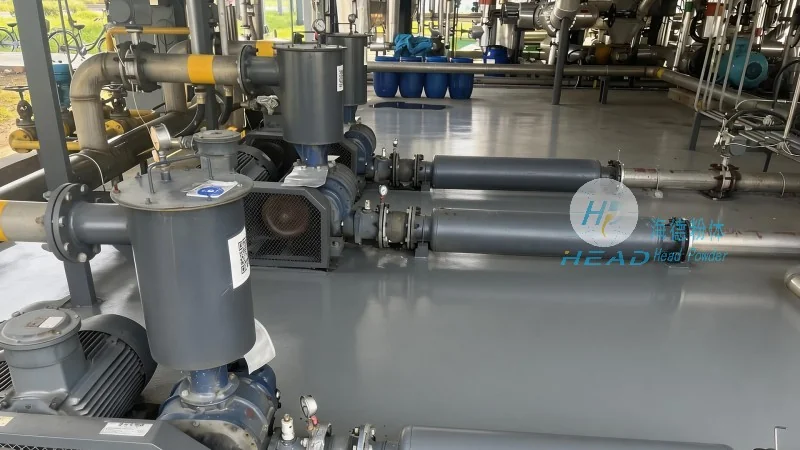

Dry lime, with its fine particle size and cohesive properties, is prone to agglomeration and bridging within pipelines. When air velocity is insufficient or pressure drops occur, particles can settle and form blockages, leading to system downtime and potential equipment damage. Preventing these blockages requires a comprehensive approach that addresses material characteristics, system design, and operational conditions. By focusing on key design parameters, engineers can create systems that maintain consistent flow and minimize the risk of clogs.

 Shandong Headpowder Engineering Co., Ltd.
 156-6277-7102(Manager Zhang)
  0531-83386006
  Zhangqiu District, Jinan City, Shandong Province, China
telephone
WeChatconsult
top