With more than 10‑year industry experience, Shandong Headpowder delivers full‑service pneumatic‑conveying systems and blowers, undertaking nationwide turn‑key powder‑handling projects.
Compound fertilizer powder conveying systems are critical components in modern agricultural and industrial applications, designed to efficiently transport bulk materials like fertilizers from storage to processing or distribution points. Understanding the structure and operational principles of these systems is essential for optimizing performance, ensuring safety, and maintaining efficiency in material handling operations.
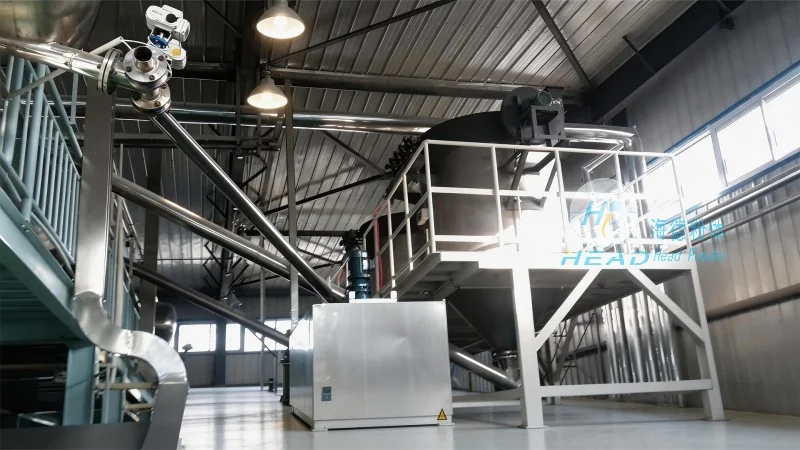
At the core of compound fertilizer powder conveying are mechanisms that handle fine, dry powders with precision. These systems are engineered to address the unique challenges of transporting materials that are often abrasive, hygroscopic, or prone to caking. The design incorporates components such as feed hoppers, conveyor belts or screw conveyors, and control systems that work in tandem to ensure smooth material flow. The goal is to minimize material degradation, prevent blockages, and maintain consistent conveying rates, which are vital for downstream processes like mixing, packaging, or application.
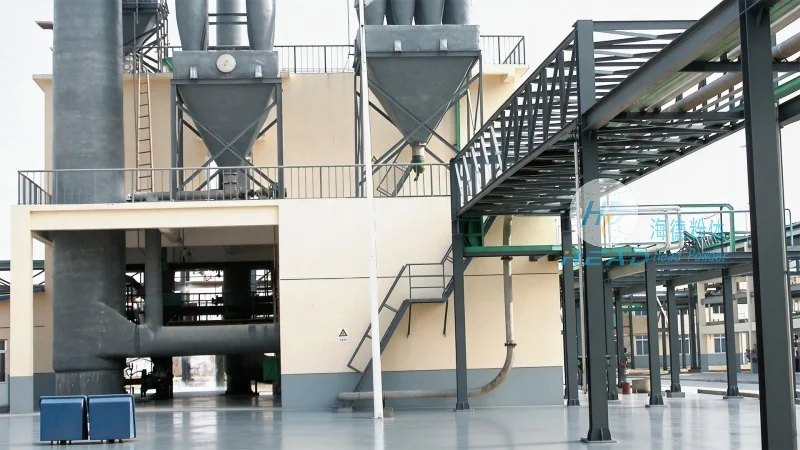
The structural design of a compound fertilizer powder conveying system typically includes several key components. The feed hopper is the initial stage, where bulk fertilizer is introduced into the system. It is often equipped with a discharge valve or gate to regulate the flow rate, preventing overloading or underflow. The conveyor itself—whether a belt conveyor, screw conveyor, or pneumatic system—transports the material through the system. For compound fertilizers, which may contain varying particle sizes and moisture content, the choice of conveyor type is critical. Screw conveyors, for instance, are commonly used due to their ability to handle abrasive materials and maintain a consistent flow, while pneumatic systems are suitable for lighter, more delicate powders.
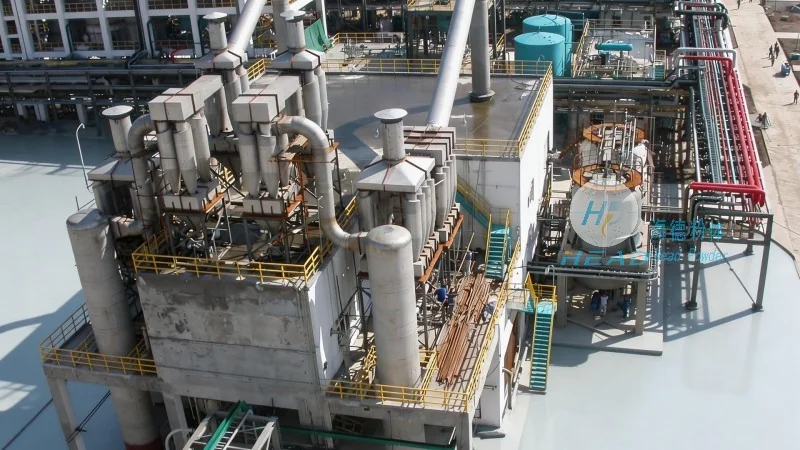
The operational principles of these systems revolve around the control of material flow and system pressure. Many systems utilize variable speed drives and sensors to monitor the material level and adjust the conveying rate in real-time. This dynamic control helps prevent overloading, which can lead to system failures or material spillage. Additionally, the system may include features like vibration or air knives to break up agglomerates and maintain a uniform particle size distribution. The control panel, often integrated with the conveyor, allows operators to adjust parameters such as speed, pressure, and flow rate, ensuring optimal performance under varying load conditions.
When designing and implementing compound fertilizer powder conveying systems, several engineering considerations are paramount. Material compatibility is a key factor, as the components must resist corrosion and wear from the fertilizer's chemical properties. For example, stainless steel or specialized alloys are often used for parts that come into direct contact with the material. Additionally, the system must be designed to handle the potential for dust generation, incorporating dust collection and filtration systems to maintain air quality and comply with environmental regulations. Safety features, such as emergency stop buttons and overload protection, are also integral to prevent accidents and ensure the well-being of operators.
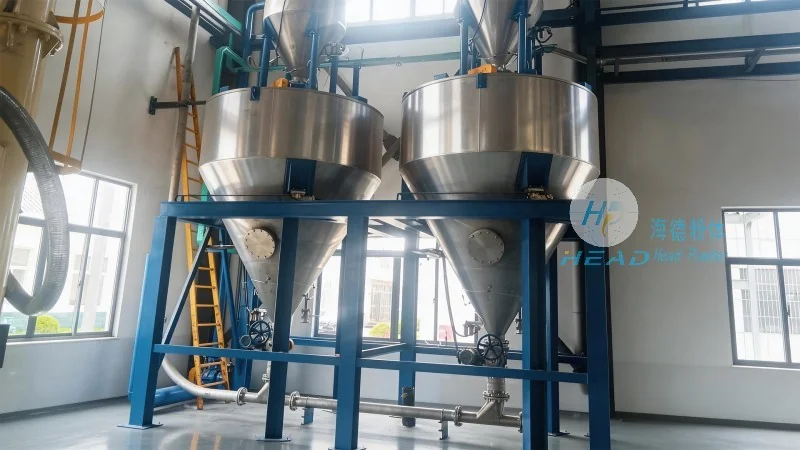
Compound fertilizer powder conveying systems are widely used in various stages of the fertilizer production and distribution chain. From raw material handling in manufacturing facilities to bulk storage and distribution at farms or retail outlets, these systems play a crucial role in maintaining supply chain efficiency. Performance metrics such as conveying capacity, energy consumption, and material loss are critical indicators of system effectiveness. High-capacity systems can handle large volumes of fertilizer, reducing downtime and increasing throughput, while low energy consumption ensures cost-effectiveness. The ability to maintain consistent material quality, free from contamination or degradation, is also a key performance factor, as it directly impacts the final product's effectiveness in agricultural applications.

 Shandong Headpowder Engineering Co., Ltd.
 156-6277-7102(Manager Zhang)
  0531-83386006
  Zhangqiu District, Jinan City, Shandong Province, China
telephone
WeChatconsult
top