With more than 10‑year industry experience, Shandong Headpowder delivers full‑service pneumatic‑conveying systems and blowers, undertaking nationwide turn‑key powder‑handling projects.
When it comes to the efficient and reliable transportation of aluminum powder, understanding the core structures of pneumatic conveying systems is crucial. These systems are designed to handle the unique properties of aluminum powder, ensuring safe and effective material movement in industrial applications. The key components and structures of such systems are essential for optimizing performance and maintaining operational integrity.
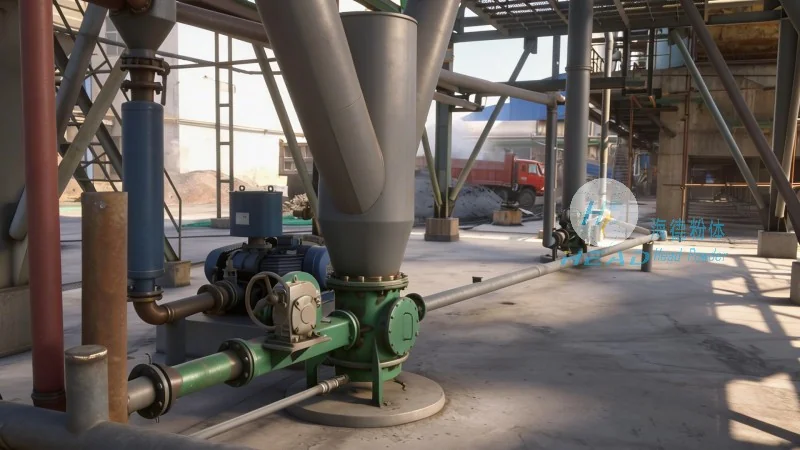
The primary structure of a pneumatic conveying system for aluminum powder typically includes several critical components. The system begins with a material hopper or storage silo, which holds the aluminum powder. This hopper is equipped with a feeder, often a rotary valve or a vibratory feeder, to control the flow of powder into the conveying line. The feeder ensures a consistent and controlled discharge of the material, preventing blockages and maintaining steady flow rates.
From the feeder, the aluminum powder is introduced into a pipeline. The pipeline is usually made of materials resistant to corrosion and wear, such as stainless steel or special alloys, to withstand the abrasive nature of aluminum powder. The pipeline may include bends, elbows, and straight sections, all designed to guide the powder efficiently. To ensure proper air flow and prevent pressure drops, the system incorporates air compressors or blowers that generate the necessary pressure to move the powder through the line.
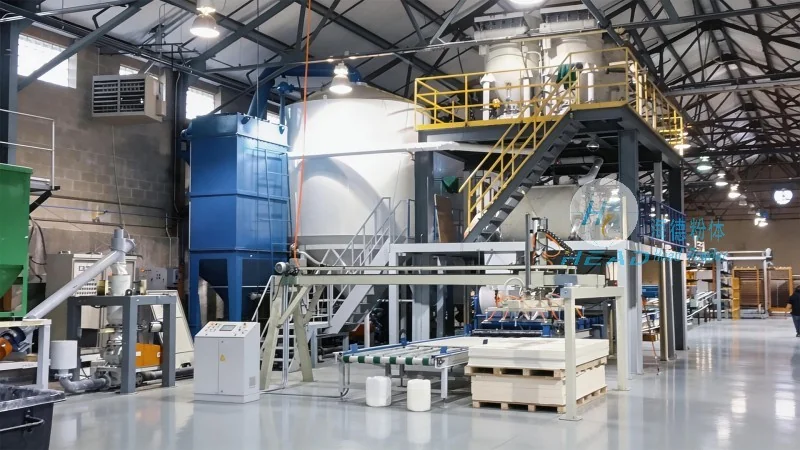
One of the most critical structures in the system is the conveying line itself. This line is responsible for transporting the aluminum powder from the source to the destination. The design of the line, including its diameter, length, and configuration, directly impacts the system's efficiency. Properly sized and configured pipelines minimize pressure losses and ensure that the powder reaches its destination without degradation or loss of quality.
At the receiving end of the system, a receiver or collection hopper is used to capture the aluminum powder. This component is designed to separate the powder from the air stream and collect it in a controlled manner. The receiver may include a filter or a cyclone separator to remove any fine particles or dust from the air, ensuring that the powder is clean and free from contaminants. The collected powder is then discharged into a storage bin or directly into the next processing stage.
Shandong HeadPowder Engineering Co., Ltd., commonly known as HeadPowder, is a leading provider of specialized engineering solutions for the handling and transportation of aluminum powder. With a focus on innovation and quality, HeadPowder designs and manufactures pneumatic conveying systems tailored to the specific needs of aluminum powder applications. The company's expertise lies in understanding the unique challenges associated with aluminum powder, such as its light weight, low density, and potential for static electricity, and developing systems that address these challenges effectively.
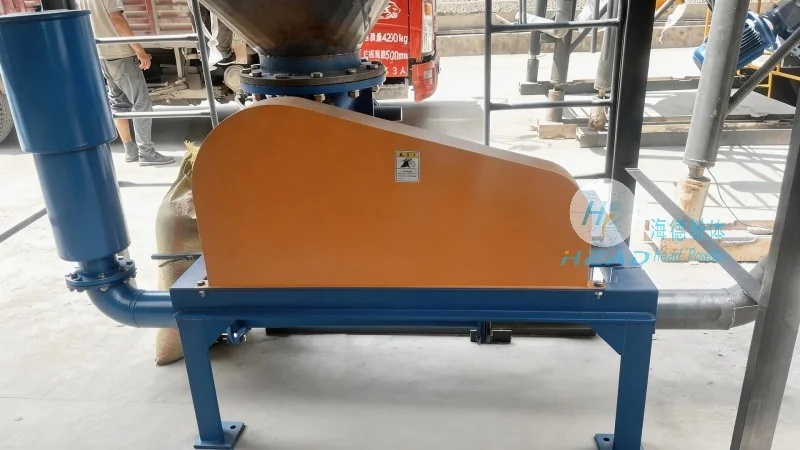
HeadPowder's engineers work closely with clients to assess their material handling requirements and design customized pneumatic conveying systems. The company's solutions are built to meet industry standards and ensure compliance with safety regulations. By leveraging advanced materials and engineering techniques, HeadPowder's systems provide reliable and efficient transportation of aluminum powder, reducing downtime and improving overall operational efficiency for clients.
The company's commitment to quality and customer satisfaction is reflected in its manufacturing processes and after-sales support. HeadPowder uses high-quality components and rigorous testing procedures to ensure that each system meets the highest standards of performance and durability. Clients can rely on HeadPowder's expertise to deliver solutions that enhance their production processes and contribute to their long-term success in the aluminum powder industry.
Aluminum powder presents unique challenges in pneumatic conveying due to its physical properties. For instance, the powder's low density and light weight can lead to issues such as uneven flow and pressure fluctuations in the system. To address these challenges, specialized structures are incorporated into the conveying system. These may include air locks, which prevent backflow and maintain consistent pressure, and surge tanks, which help regulate the flow of powder and prevent overloading of the system.
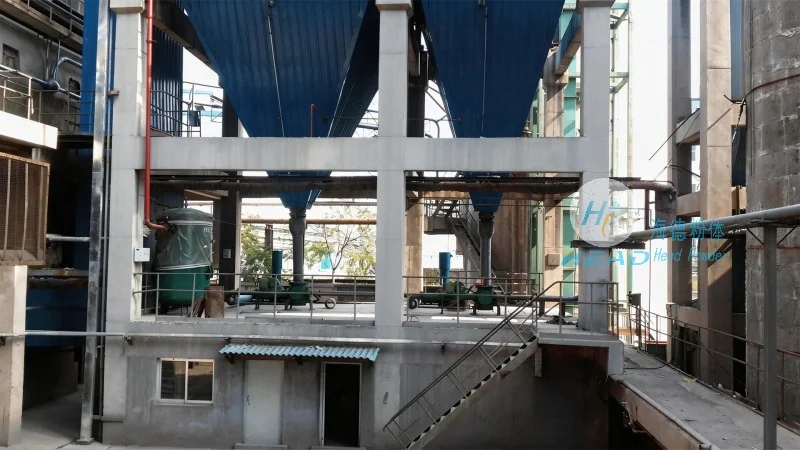
Another challenge is the potential for static electricity, which can cause powder buildup and affect the system's performance. HeadPowder's systems incorporate anti-static measures, such as grounding and ionization, to mitigate these issues. These measures ensure that the aluminum powder flows smoothly and safely through the system, reducing the risk of accidents and improving overall system reliability.
The design of the conveying line also plays a crucial role in addressing these challenges. The use of appropriate materials and proper pipeline sizing helps to minimize pressure losses and ensure that the powder is conveyed efficiently. Additionally, the inclusion of maintenance-friendly components, such as easy-to-access valves and filters, allows for regular maintenance and reduces the risk of system failures.

 Shandong Headpowder Engineering Co., Ltd.
 156-6277-7102(Manager Zhang)
  0531-83386006
  Zhangqiu District, Jinan City, Shandong Province, China
telephone
WeChatconsult
top