With more than 10‑year industry experience, Shandong Headpowder delivers full‑service pneumatic‑conveying systems and blowers, undertaking nationwide turn‑key powder‑handling projects.
When it comes to the efficient and reliable transport of organic fertilizers, air-driven conveyance systems play a crucial role in modern agricultural and industrial applications. These systems utilize the force of air to move bulk materials, offering advantages such as reduced mechanical wear, lower energy consumption compared to traditional methods, and enhanced safety. Understanding the key air-driven structures is essential for selecting the most suitable solution for specific operational needs.
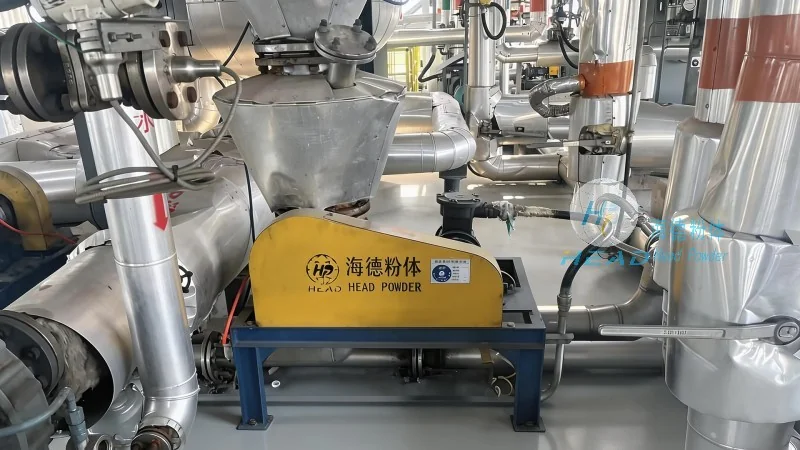
Organic fertilizers, including compost, manure, and other biodegradable materials, require specialized handling due to their bulk density and potential for moisture content. Air-driven conveyance systems address these challenges by using air pressure or vacuum to move materials through pipelines. The primary structures include positive pressure, negative pressure, and hybrid systems, each with distinct characteristics and applications.
Positive pressure systems operate by blowing air into the material stream, creating a pressure higher than the ambient environment. This method is ideal for transporting organic fertilizers over long distances and through complex piping networks. The system typically consists of a blower, a hopper for material loading, and a pipeline network. As the material is drawn into the pipeline by the high-pressure air, it is propelled forward. This approach is particularly effective for applications where the material needs to be transported to multiple destinations or through elevated areas. The positive pressure design minimizes the risk of material clogging and ensures consistent flow rates, making it suitable for large-scale agricultural operations and compost processing facilities.
Negative pressure systems, also known as vacuum conveyors, work by creating a vacuum in the pipeline, which draws the material into the system. This method is often preferred for shorter distances and when the material is to be collected from various points and transported to a central processing unit. The system includes a vacuum pump, a collection hopper, and a pipeline network. The vacuum is maintained by the pump, and the material is pulled through the pipeline due to the pressure differential. Negative pressure systems are advantageous for handling fine or dusty organic materials, as they can be designed to minimize dust emissions and maintain material integrity. They are commonly used in composting plants, where materials are collected from different stages of the process and transported to mixing or storage areas.
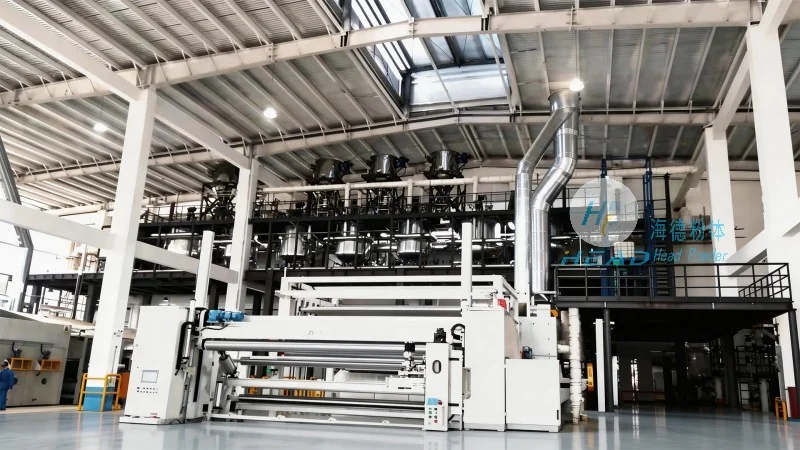
Mixed-pressure systems combine elements of both positive and negative pressure, allowing for bidirectional material flow. This flexibility is beneficial for applications where materials need to be transported in both directions, such as in recycling facilities or where organic fertilizers are processed and then returned to storage. The system uses a combination of blowers and vacuum pumps to control the direction of material movement. By adjusting the pressure differentials, operators can move materials from one location to another or return them to a source. This versatility makes mixed-pressure systems suitable for complex operations involving multiple processing stages and varying material volumes.
Regardless of the specific air-driven structure, several key components are essential for optimal performance. These include the blower or vacuum pump, which provides the necessary air pressure or vacuum; the hopper or feeder, which controls the material flow rate; and the pipeline system, which must be designed to handle the specific characteristics of organic fertilizers. Material properties such as moisture content, particle size, and bulk density significantly influence the choice of system and component specifications. For example, high-moisture materials may require additional drying or moisture control measures to prevent clogging in the pipeline. The pipeline diameter and length also impact the system's efficiency, as longer distances or larger diameters may necessitate higher air pressure or more powerful pumps.
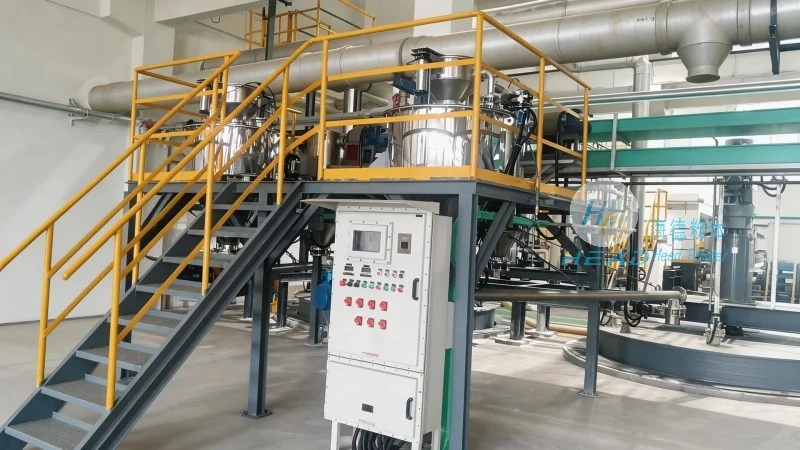
Air-driven conveyance structures are widely used in the processing of organic fertilizers, from initial collection and storage to final distribution. In composting facilities, these systems are critical for moving raw materials to the composting beds and transporting finished compost to storage or packaging areas. In agricultural settings, they facilitate the distribution of organic fertilizers to fields, ensuring uniform application and reducing labor costs. The efficiency of these systems directly impacts the overall productivity of the operation, as delays in material transport can lead to bottlenecks in processing and reduced output.
While air-driven systems offer numerous benefits, they also present certain challenges that must be addressed. One of the primary advantages is the reduction in mechanical wear compared to belt or screw conveyors, as there is no direct contact between the material and the conveying mechanism. This results in lower maintenance costs and longer equipment life. Additionally, air-driven systems can handle a wide range of material types, including those with high moisture content or fine particles, which are difficult to transport using traditional methods. However, these systems require careful design to prevent material buildup and clogging, especially in pipelines. Proper cleaning and maintenance procedures are essential to ensure consistent performance. Another challenge is the energy consumption, as high-pressure blowers or vacuum pumps can be energy-intensive. However, advancements in blower technology have improved efficiency, reducing operational costs over time.
Understanding the main air-driven structures for organic fertilizer conveyance is vital for selecting the most effective and efficient system for specific applications. Whether using positive pressure, negative pressure, or mixed-pressure systems, the choice depends on factors such as material characteristics, distance, and operational requirements. By leveraging the expertise of companies like Shandong HeadPowder Engineering Co., Ltd., which specializes in air-driven conveyance solutions, agricultural and industrial operations can optimize their material handling processes. These systems not only enhance productivity but also contribute to sustainable agricultural practices by ensuring the efficient use of organic fertilizers and reducing environmental impact.

 Shandong Headpowder Engineering Co., Ltd.
 156-6277-7102(Manager Zhang)
  0531-83386006
  Zhangqiu District, Jinan City, Shandong Province, China
telephone
WeChatconsult
top