With more than 10‑year industry experience, Shandong Headpowder delivers full‑service pneumatic‑conveying systems and blowers, undertaking nationwide turn‑key powder‑handling projects.
HeadPowder, a leading engineering company based in Shandong, China, specializes in the design and manufacturing of advanced pneumatic conveying systems tailored for the cereal industry. This article provides an overview of the key equipment involved in cereal pneumatic conveying systems and explains the fundamental structural principles that enable efficient material handling.
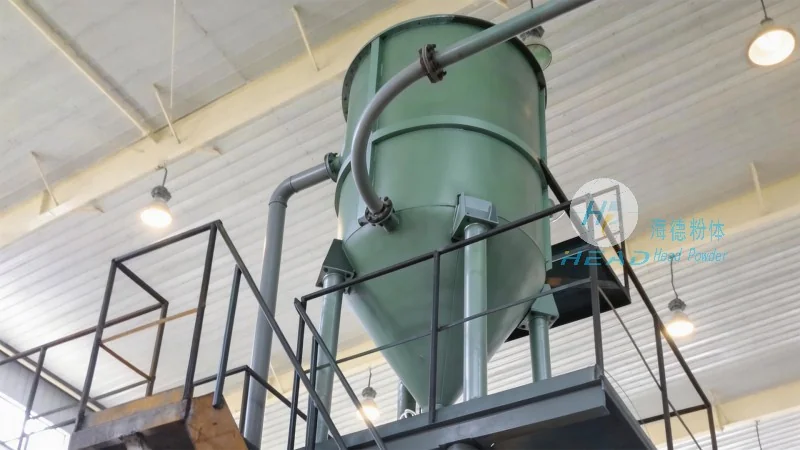
The cereal pneumatic conveying system is a sophisticated setup that utilizes air as the primary medium to transport bulk cereal products from one location to another. The core equipment in such a system typically includes a hopper for material storage, a feeder to control the flow rate, a conveying line (often with a series of bends and straight sections), and a receiver for the discharged material. Each component plays a critical role in ensuring the system operates smoothly and efficiently.
Key equipment components include the material hopper, which is designed to hold the cereal bulk and maintain a consistent feed level. The feeder, usually a rotary valve or a screw feeder, regulates the amount of material entering the conveying line, preventing overloading and ensuring a steady flow. The conveying line itself is often made of stainless steel or other corrosion-resistant materials to handle the cereal's properties and maintain hygiene standards. The receiver at the end of the line collects the conveyed material and may include a dust collection system to control airborne particles.
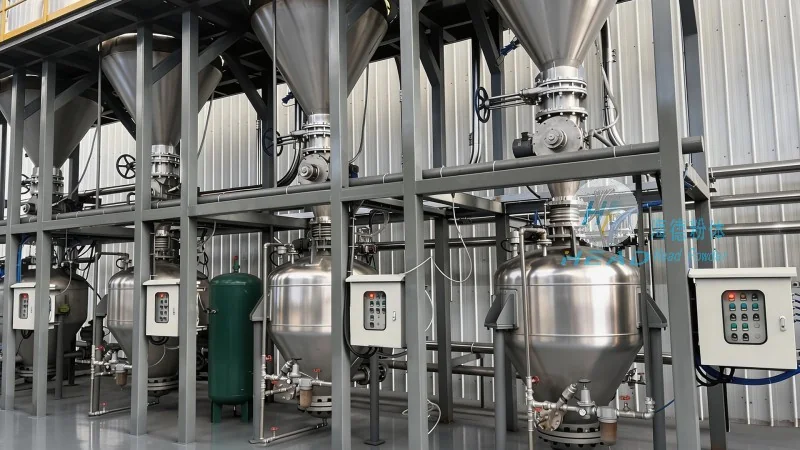
The structural principles of a cereal pneumatic conveying system are centered around the balance of pressure and velocity within the conveying line. The system operates by creating a pressure differential between the hopper and the receiver. Air is introduced into the hopper, and as it moves through the conveying line, it carries the cereal particles along with it. The design of the system, including the size and shape of the conveying line, the angle of the bends, and the type of air distribution, all contribute to maintaining the appropriate air velocity to keep the cereal particles suspended and prevent clogging.
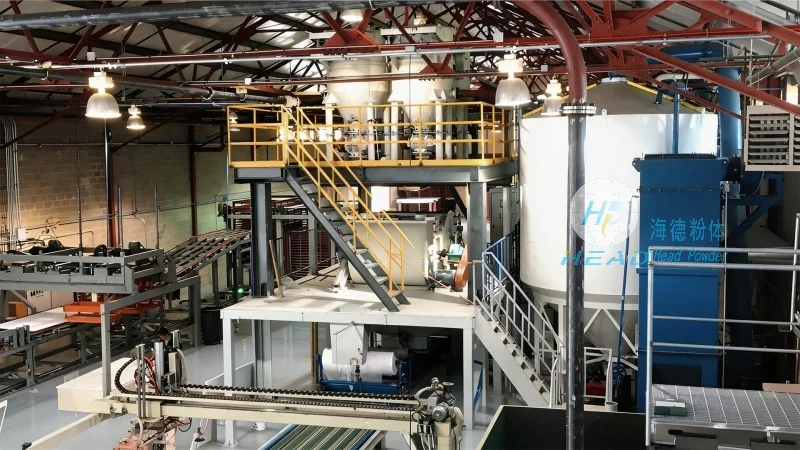
One of the critical structural considerations is the prevention of material deposition or blockages, which can occur due to changes in air velocity or pressure. The system may incorporate features such as pulse jets or variable speed drives to adjust the air flow dynamically. Additionally, the use of appropriate materials for the conveying line and components is essential to avoid corrosion or wear from the cereal's moisture content or abrasive properties.
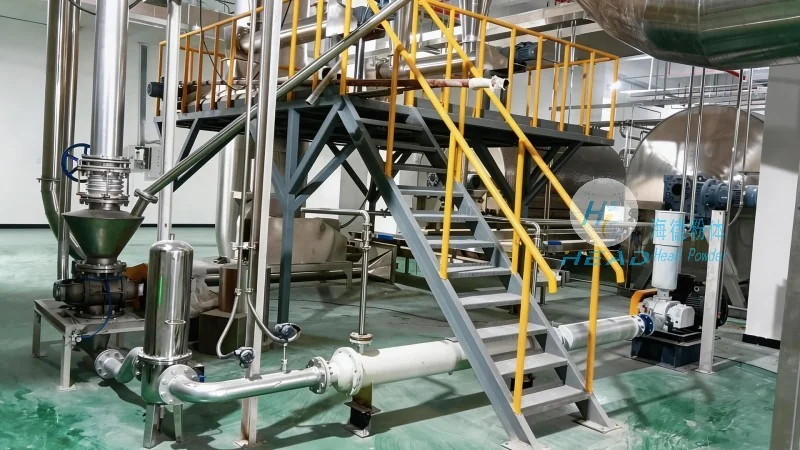
Efficiency in cereal pneumatic conveying systems is measured by factors such as the conveying capacity, the distance over which material is transported, and the system's energy consumption. Advanced designs incorporate features like optimized air distribution nozzles and streamlined line geometries to minimize energy use while maximizing throughput. The structural integrity of the equipment, including the strength of the hopper and the durability of the conveying line, is crucial for long-term performance and low maintenance costs.
HeadPowder's expertise in engineering ensures that their pneumatic conveying systems are tailored to meet the specific requirements of cereal processing facilities. By integrating the latest structural principles and equipment technologies, their systems provide reliable and efficient material handling solutions that enhance productivity and maintain product quality throughout the conveying process.

 Shandong Headpowder Engineering Co., Ltd.
 156-6277-7102(Manager Zhang)
  0531-83386006
  Zhangqiu District, Jinan City, Shandong Province, China
telephone
WeChatconsult
top